United Nations General Assembly / special side-event
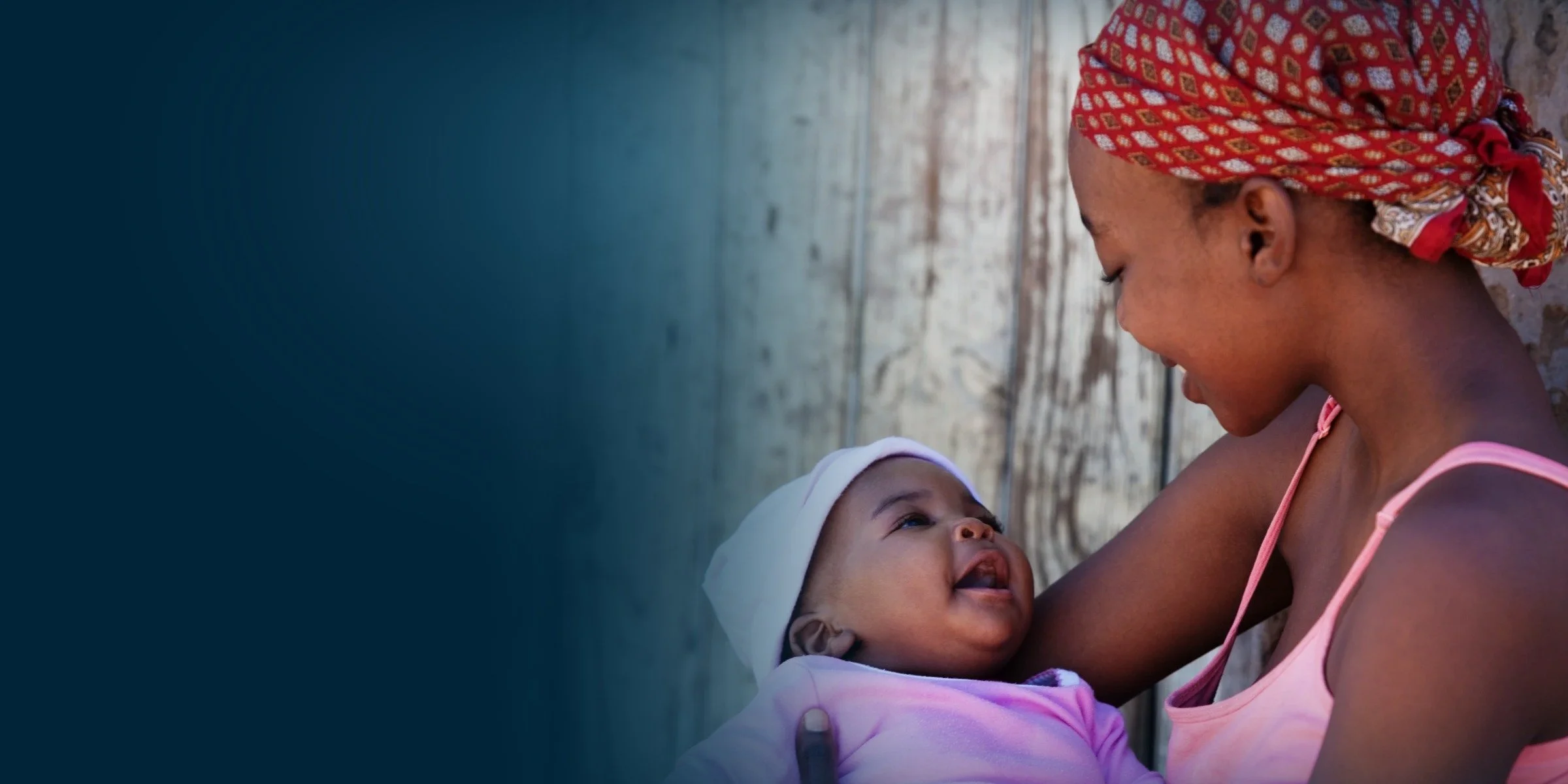
Advancing Maternal Safety during Childbirth
Improving recognition, response and care
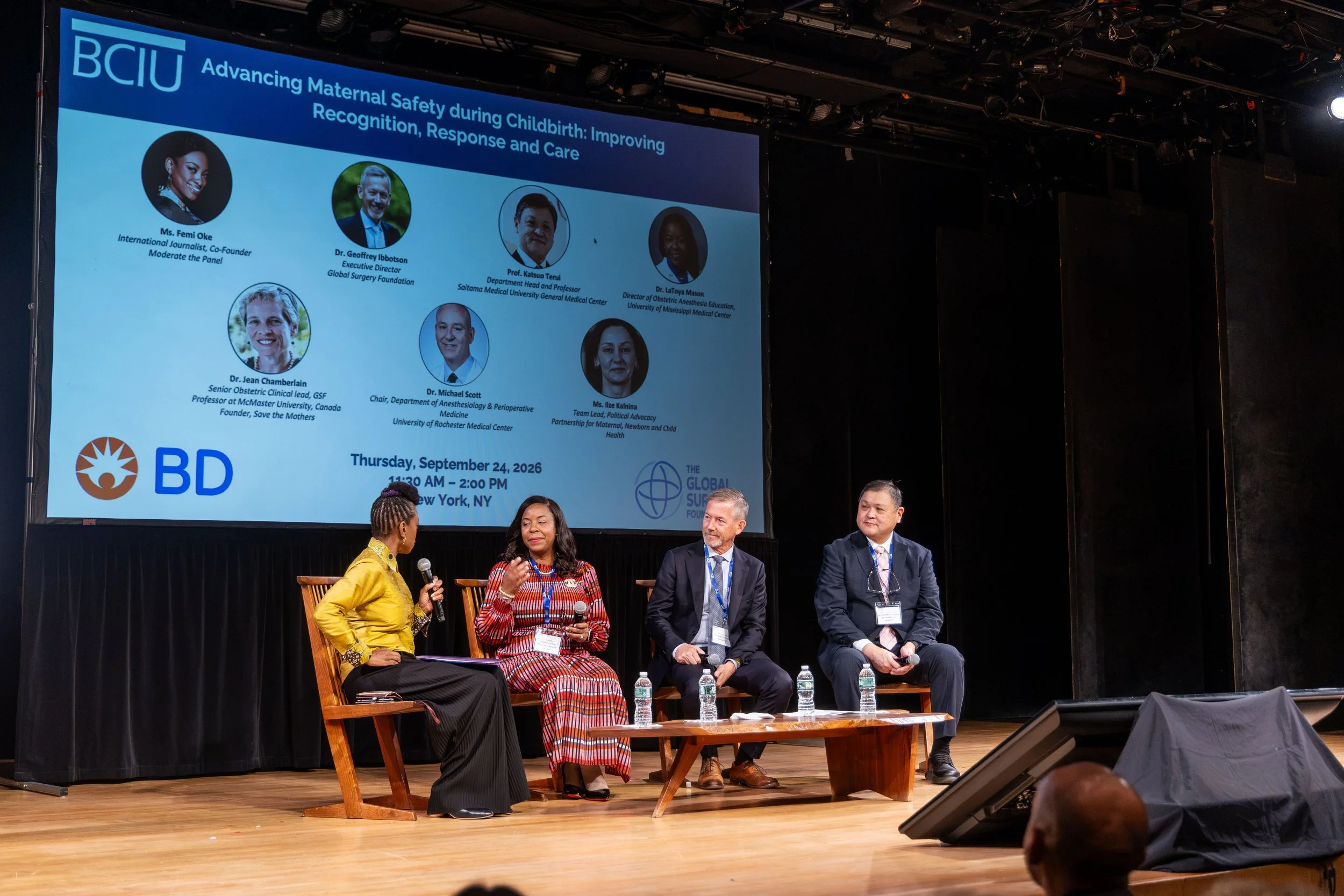
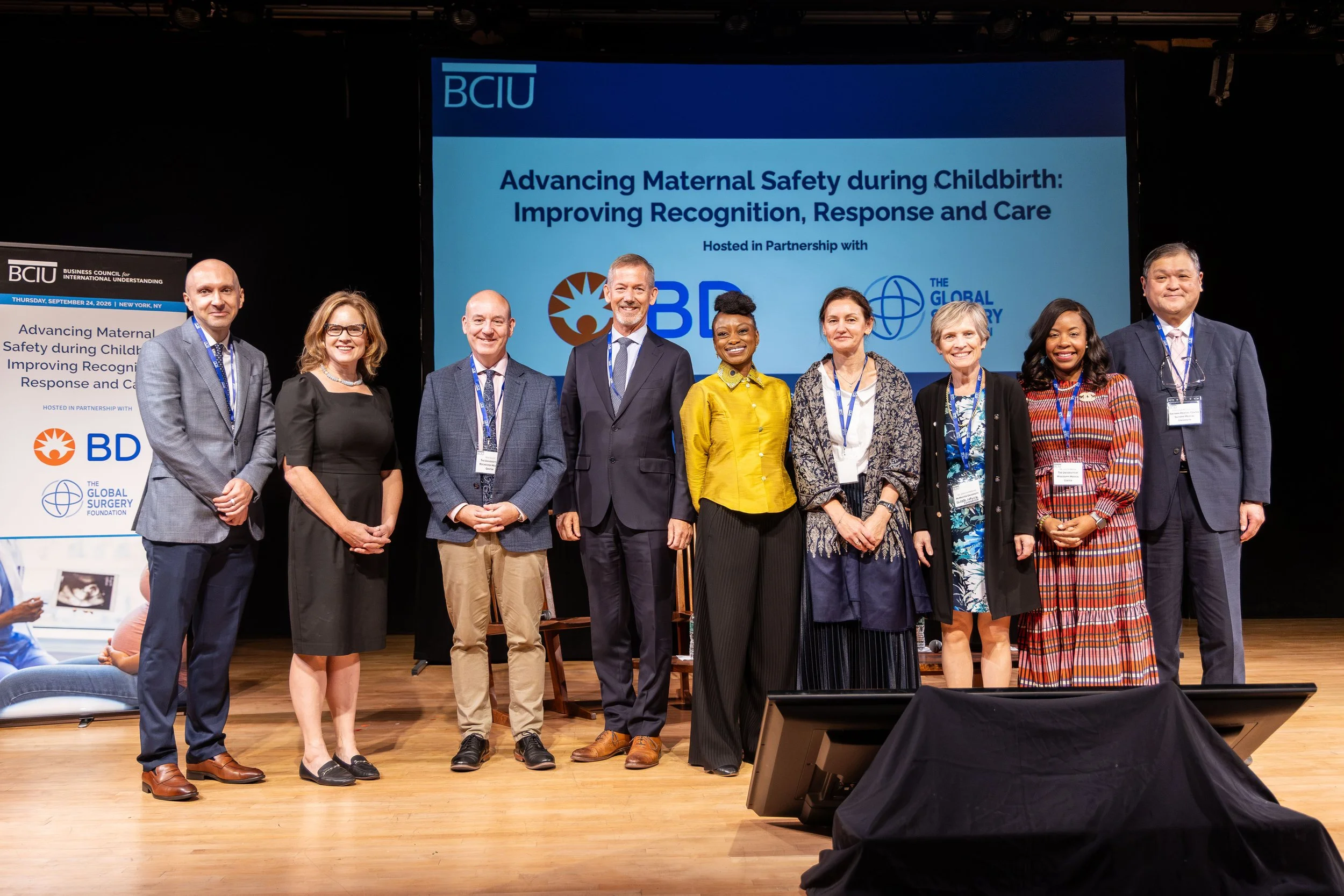
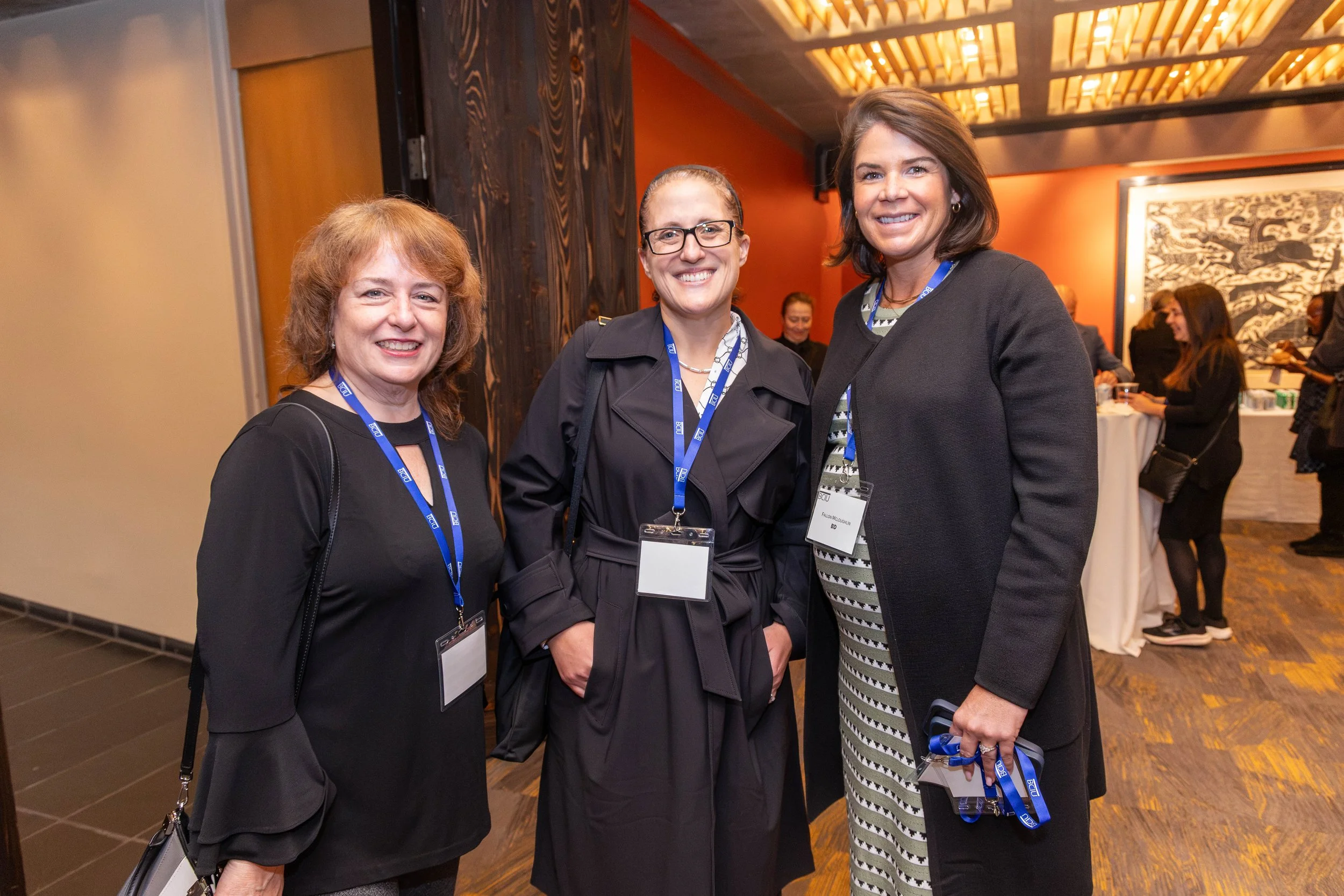
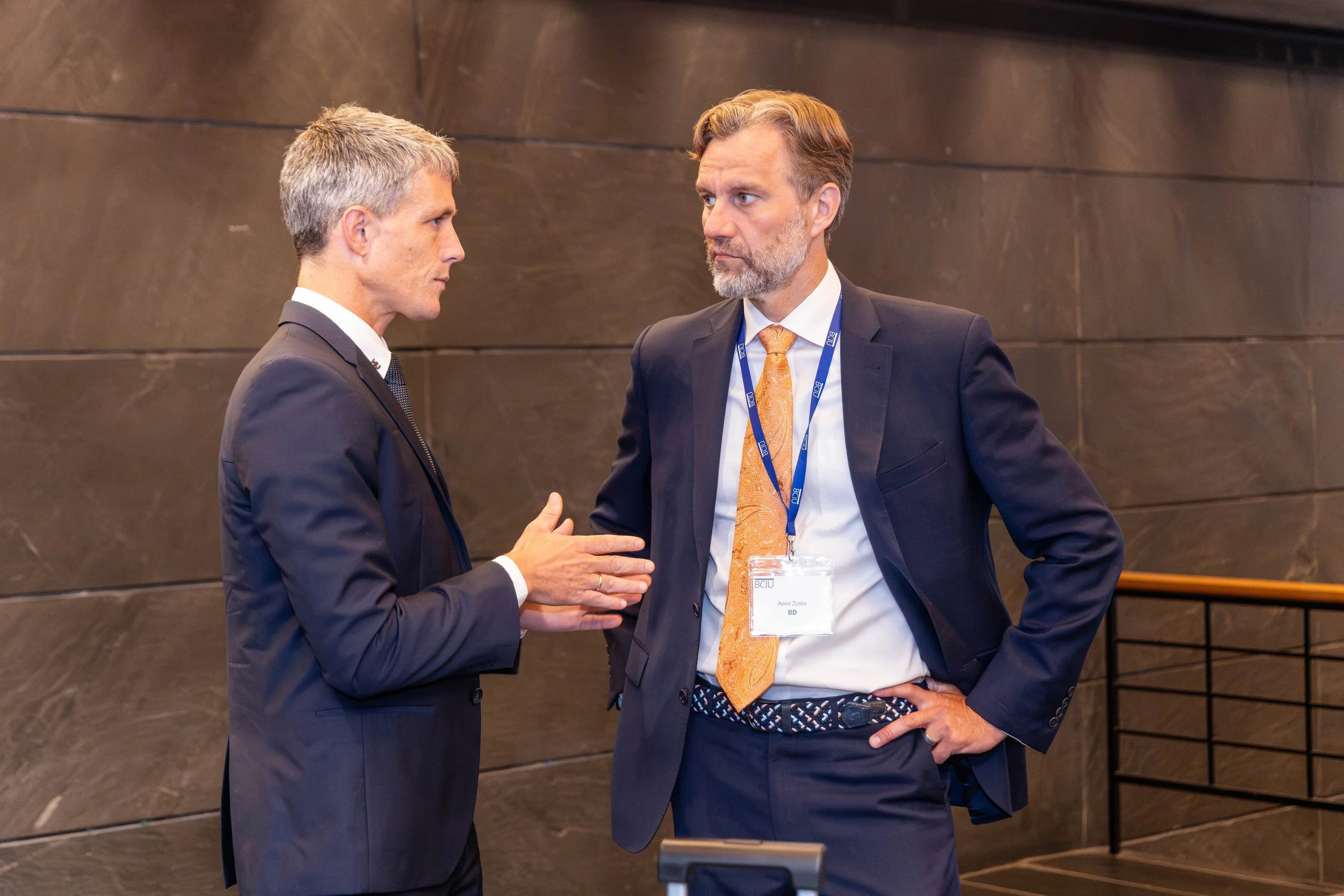
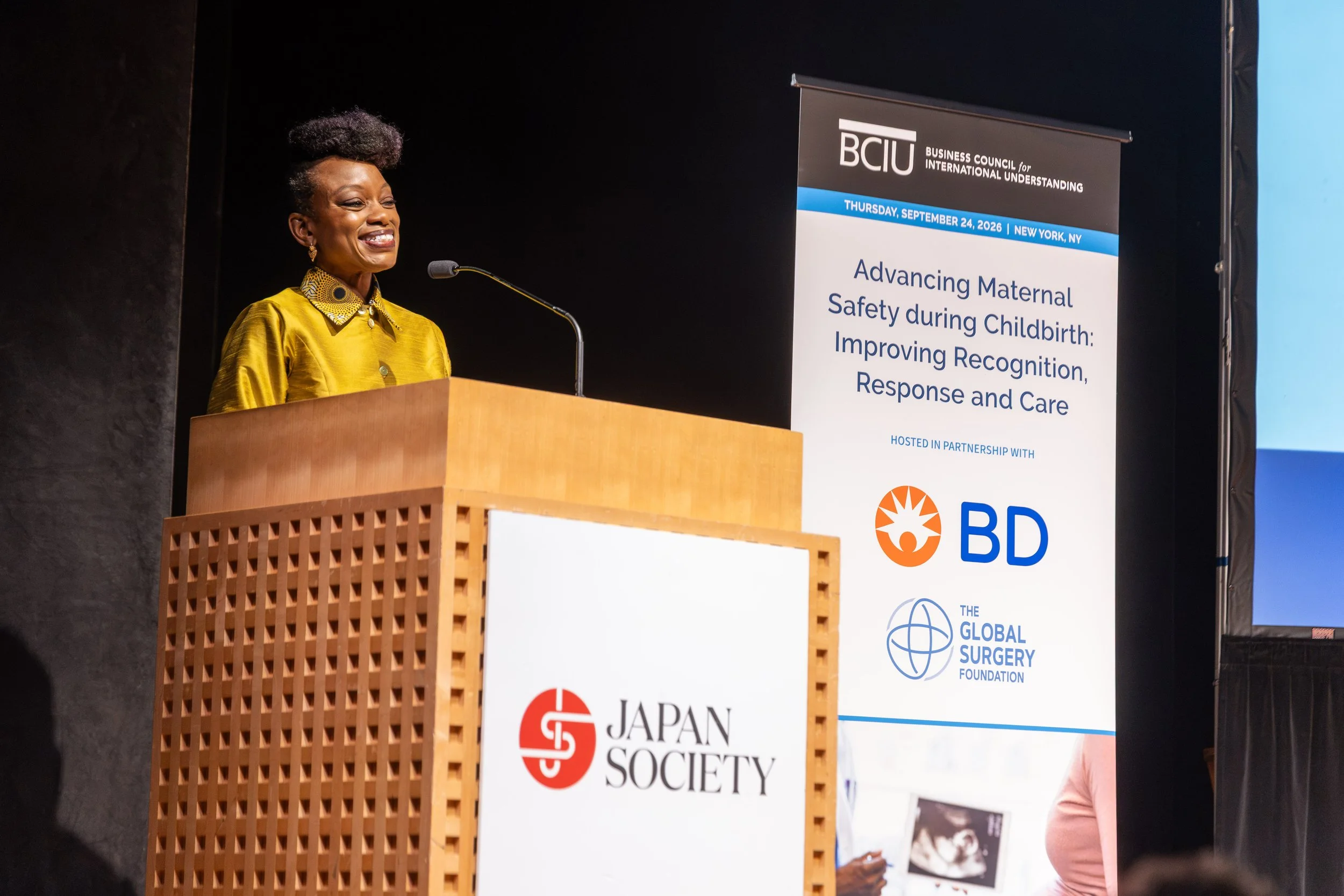
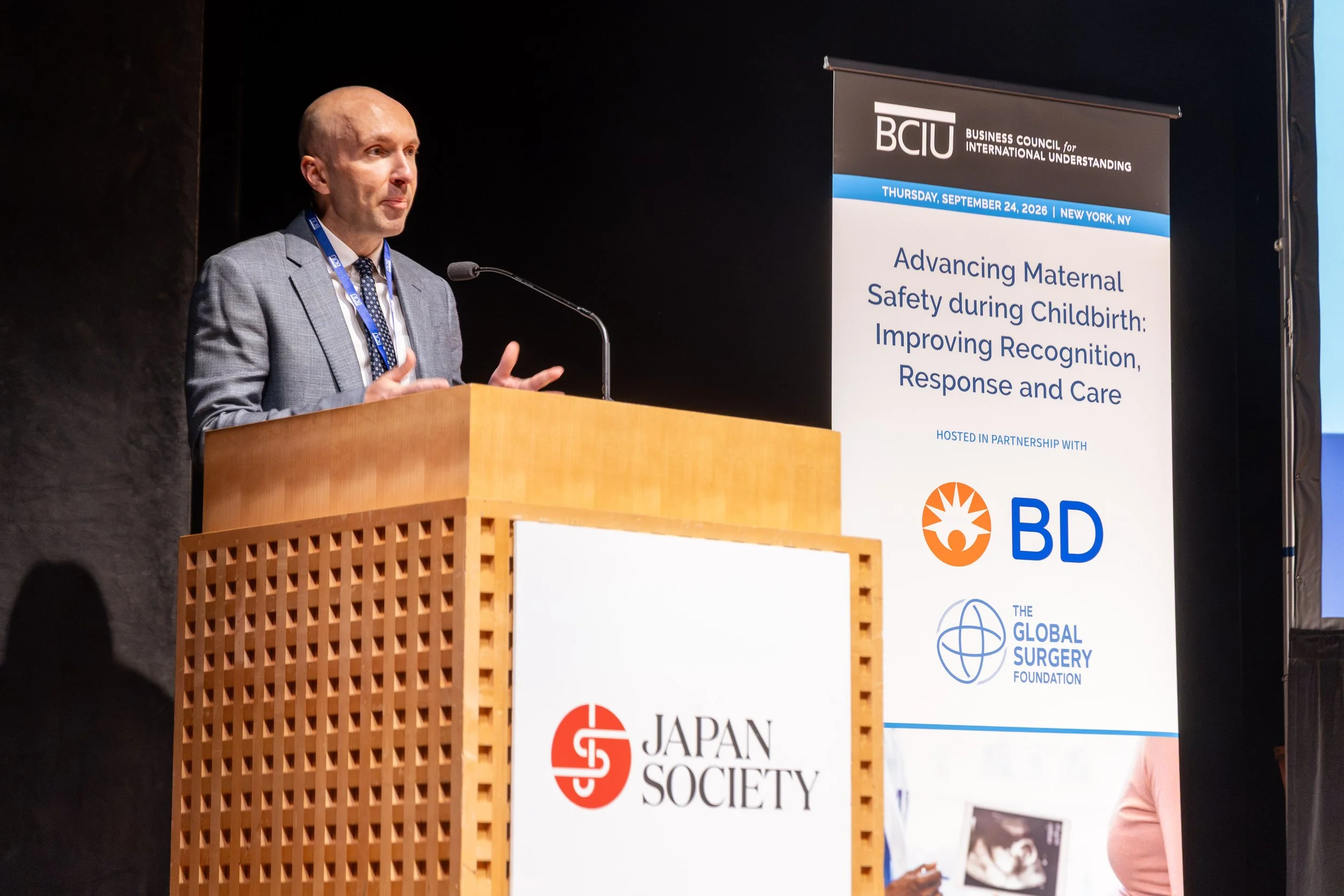
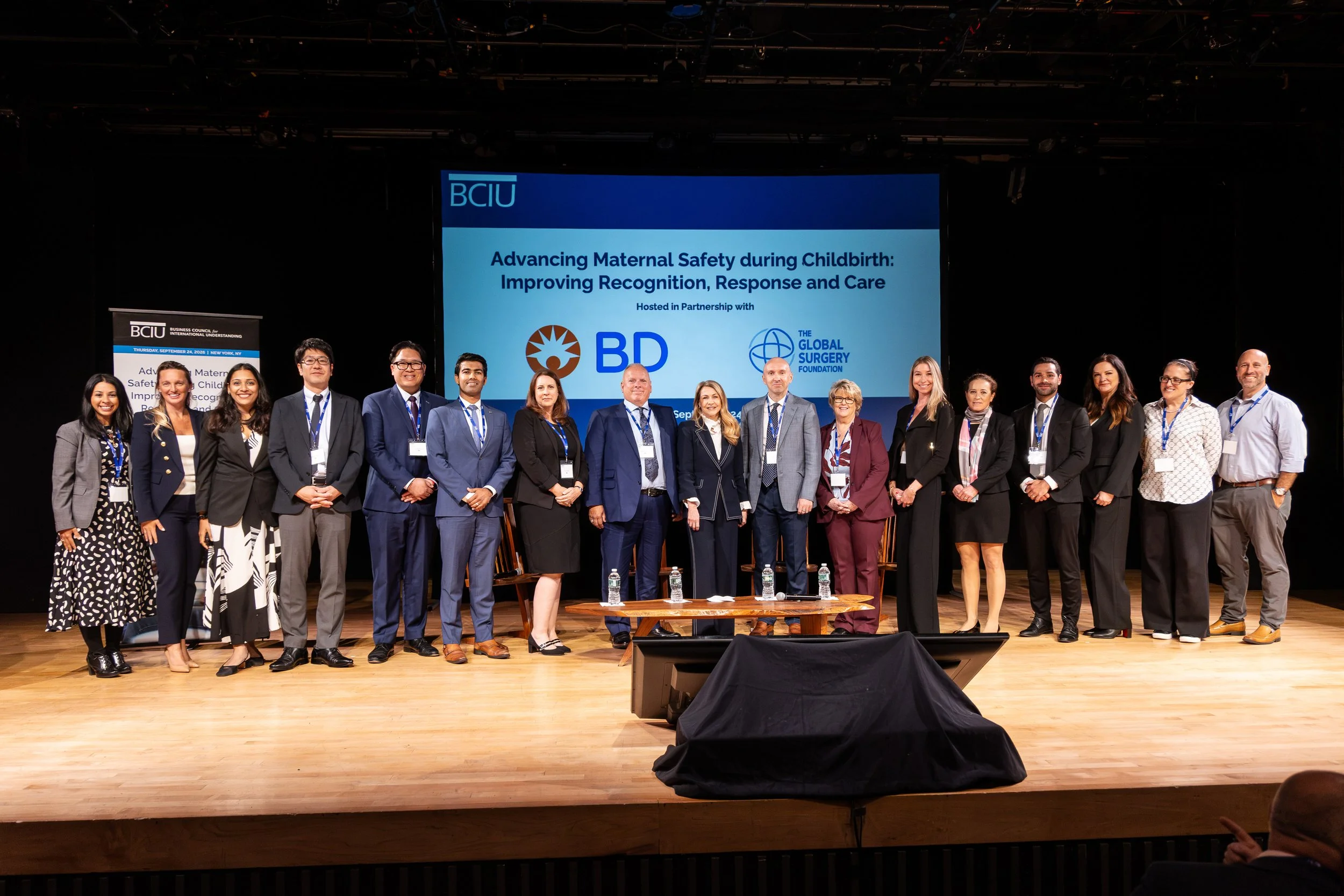
Held on 24 September 2026 at the Japan Society, New York, on the margins of the 81st United Nations General Assembly. Hosted by the Business Council for International Understanding (BCIU), and Becton Dickinson (BD), and the Global Surgery Foundation (GSF).


A personal story that stayed with us
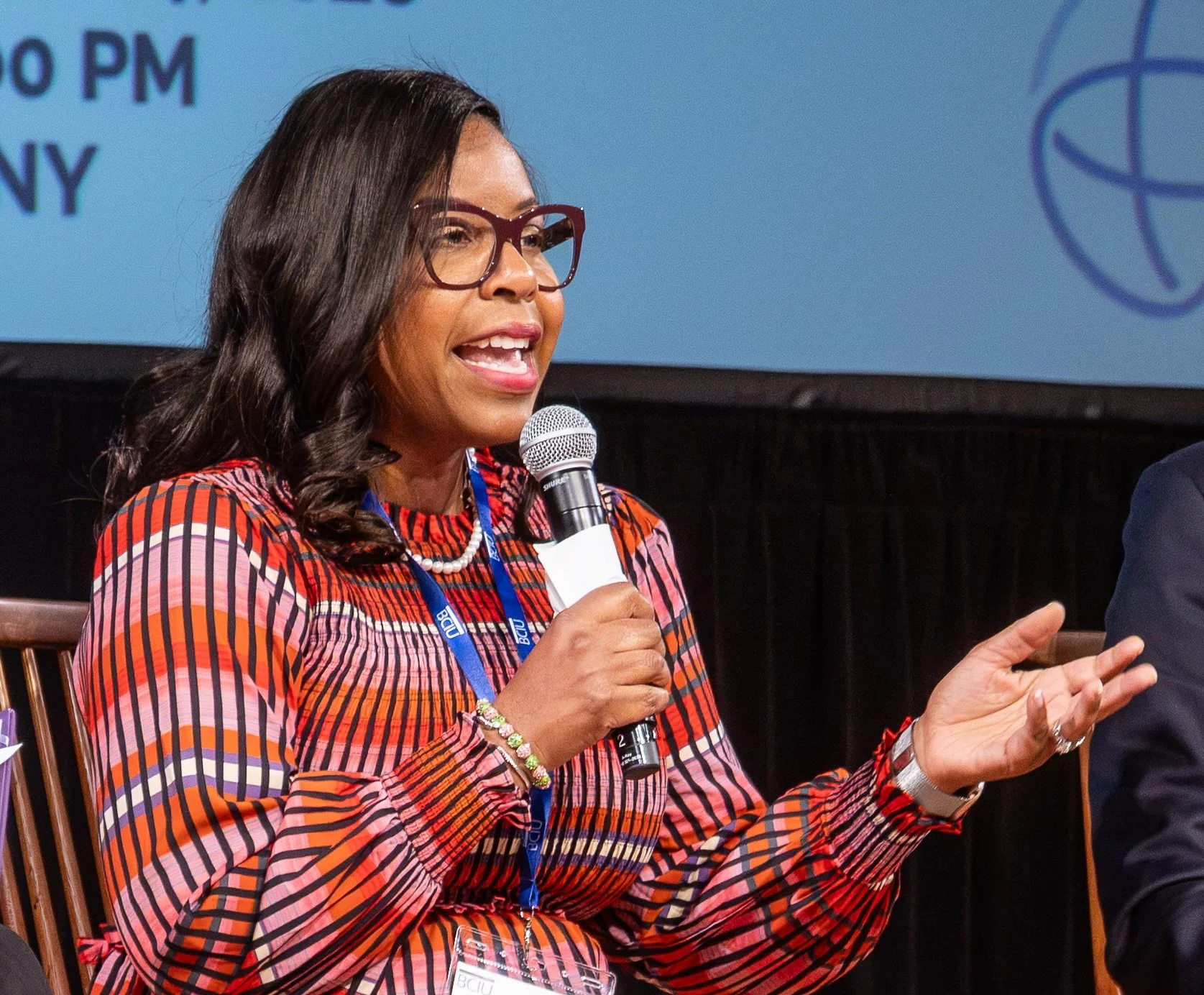
Dr. C. LaToya Mason is an obstetric anesthesiologist. After the birth of her second child, she developed peripartum cardiomyopathy, heart failure specific to pregnancy. She received the care she needed and is now working to ensure that others in her community have access to the same life-saving care.
“There I was at rest, rocking my sleeping newborn, humming a song, and my heart rate was at 130. Even with my medical background, I almost missed it.”
What we heard
The majority of postpartum deaths can be avoided when complications are recognized and treated in time.
Deterioration is gradual. Patients usually decline slowly and then "drop off the cliff". Continuous monitoring can pick up the change while there is still time to act.

“With non-invasive methods, we can apply monitoring widely to healthy mothers even before they get sick.”
Safe surgery is central to safe childbirth.
We know for certain that 15% to 20% of women are going to need a C-section. And the data shows us that in a lot of places of the world, a woman is 50 to 100 times more likely to die from the procedure than in Europe or North America.
“If we want to achieve our SDG targets globally, we have to have obstetric surgery as an integral part of the package”
Standards of care need to catch up.
Many maternity wards still rely on technology from the 1890s. Shift to non-invasive continuous monitoring is available.
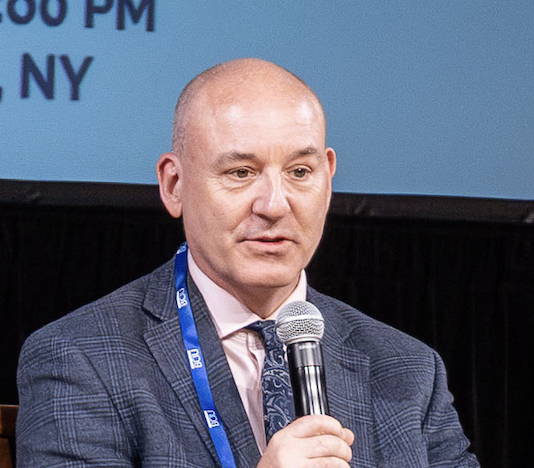
“We’ve all got smartphones in our pockets, and yet we’re relying on 19th-century technology to monitor mothers at risk”
Culture change, from the community up.
Maternal safety goes beyond the hospital. It needs community engagement, financial protection, emergency transport and care that listens to women. Religious leaders, teachers, social scientists and politicians can all be champions.
“If we’re talking about maternal safety, we need to look beyond the hospital… ”

No country is immune.
Maternal safety in childbirth was highlighted by the speakers as a global challenge across all geographies and health systems. Even high-income countries are affected: the United States has one of the highest maternal mortality rates, with wide gaps by state and ethnicity. In Japan, a national review of maternal deaths linked to anaesthesia led to new national monitoring guidelines.
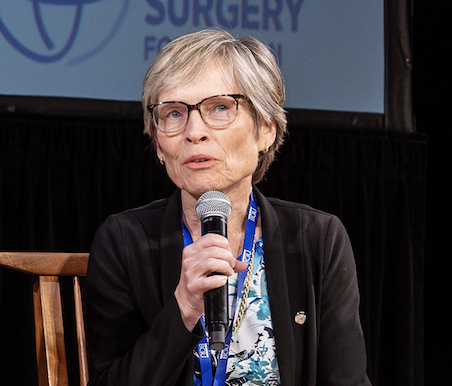
“Governments have an obligation to save the lives of mothers. They are the future of any country.”
No woman should lose her life to a preventable complication of childbirth.
Access to continuous monitoring is critical to making this possible.
“One woman is too many if we can prevent it.”
What drives impact
Maternal mortality reviews, near-miss reviews and safety bundles turn local data into action, as Nigeria and Sierra Leone have shown. Risk screening during antenatal care helps identify high-risk mothers before emergency occurs.
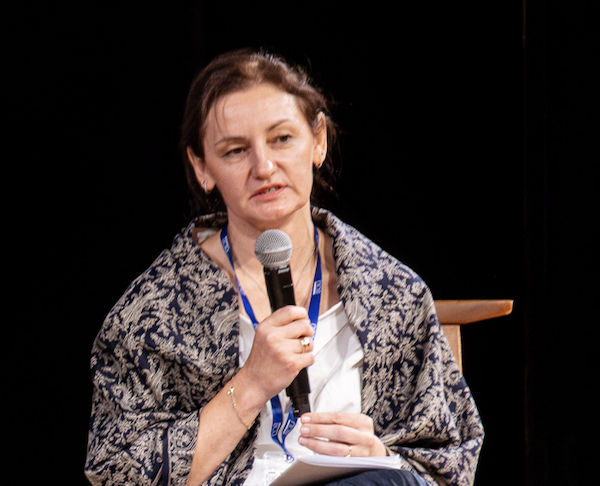
“Impact happens when technology, clinical expertise, policy, advocacy and human compassion come together in the service of patients.”
The call to action
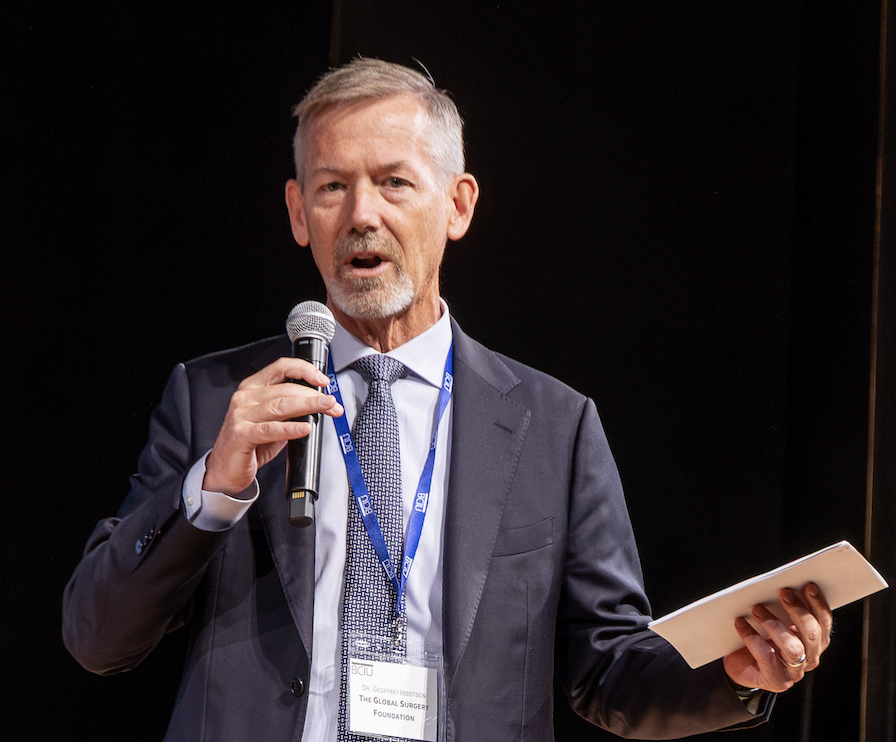
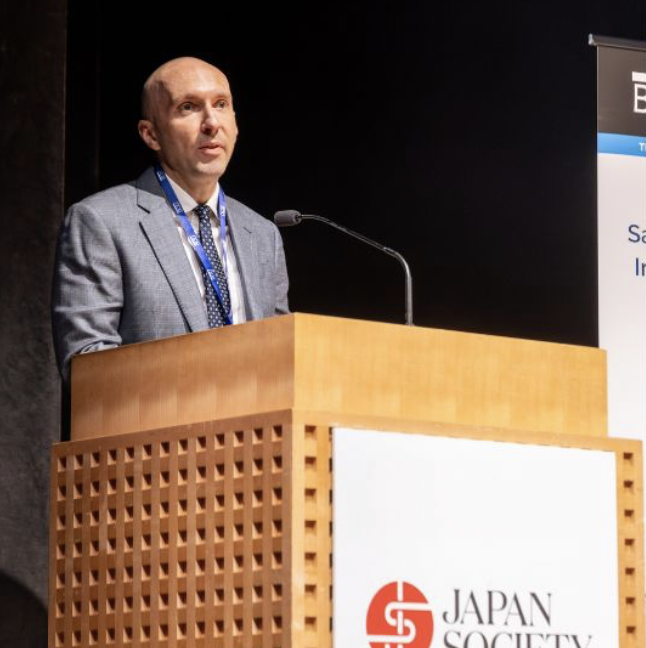
Maternal safety has to be everyone's problem. Closing the event, Dr. Geoff Ibbotson asked everyone to move from talk to action:
“While we’ve been sitting here, 30 mothers have died. Let’s not accept that anymore. What are we going to do on Monday morning? Let’s just do it.”

The change does not have to come in one big leap. Every hospital that adopts continuous monitoring and every country that turns its data into policy brings us closer to a world where no woman is harmed by giving birth.
Watch the recording
About the event
In 2023, an estimated 260,000 women died from causes related to pregnancy and childbirth, around 712 each day. Nearly all of these deaths were preventable. Postpartum haemorrhage remains the leading cause.
Many of these deaths follow the same pattern. Women reach caesarean section too late, receive outdated standards of monitoring once in a facility, and deteriorate without it being recognised in time.
Maternal complications are often preceded by measurable physiological changes that may occur before clinical deterioration becomes apparent. Continuous monitoring approaches are increasingly being evaluated as part of broader maternal safety programmes to support timely recognition of changes in patient status. Together with evidence-based care pathways, skilled clinical teams, and effective escalation processes, improved monitoring strategies may contribute to safer childbirth and postpartum care.
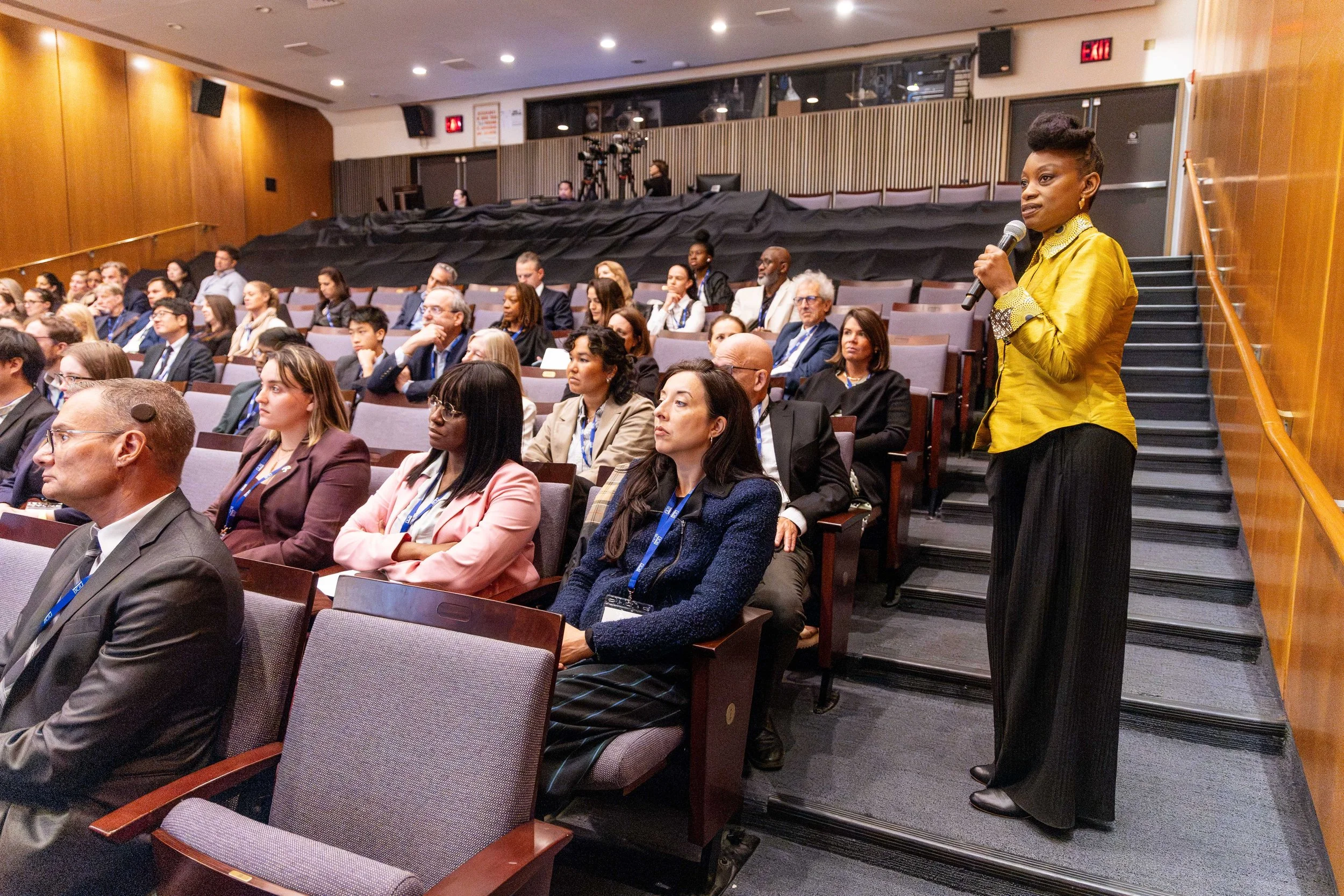
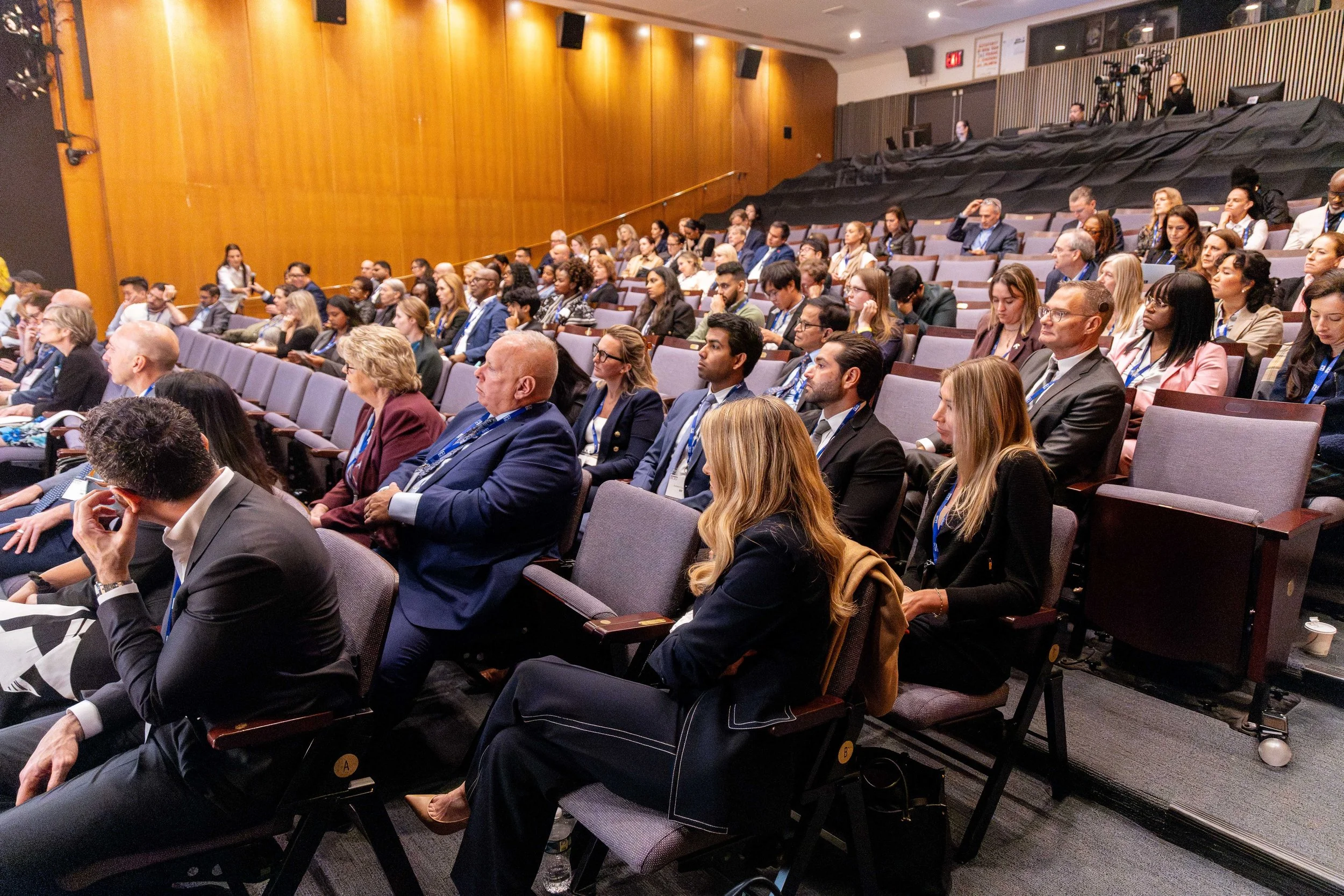
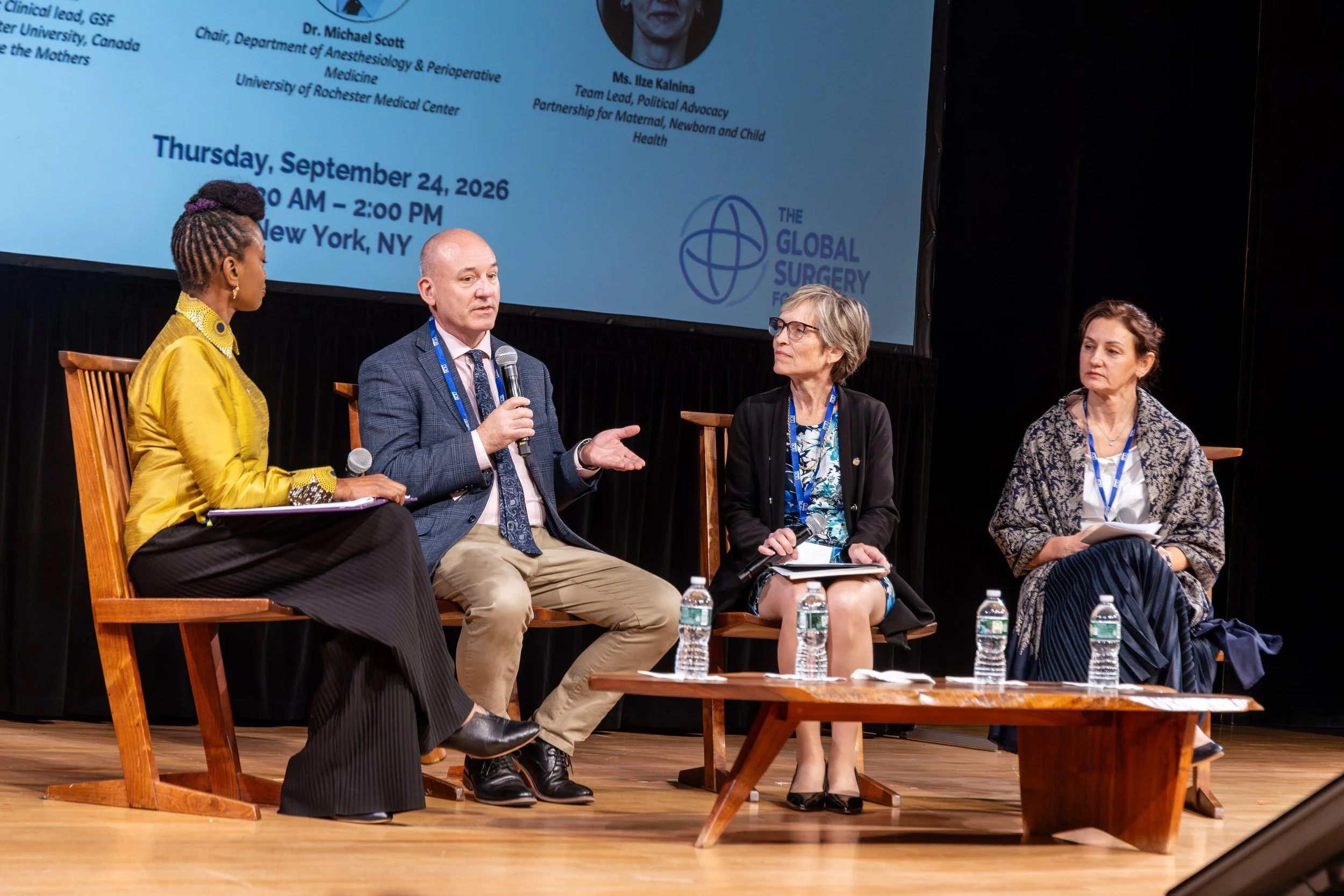
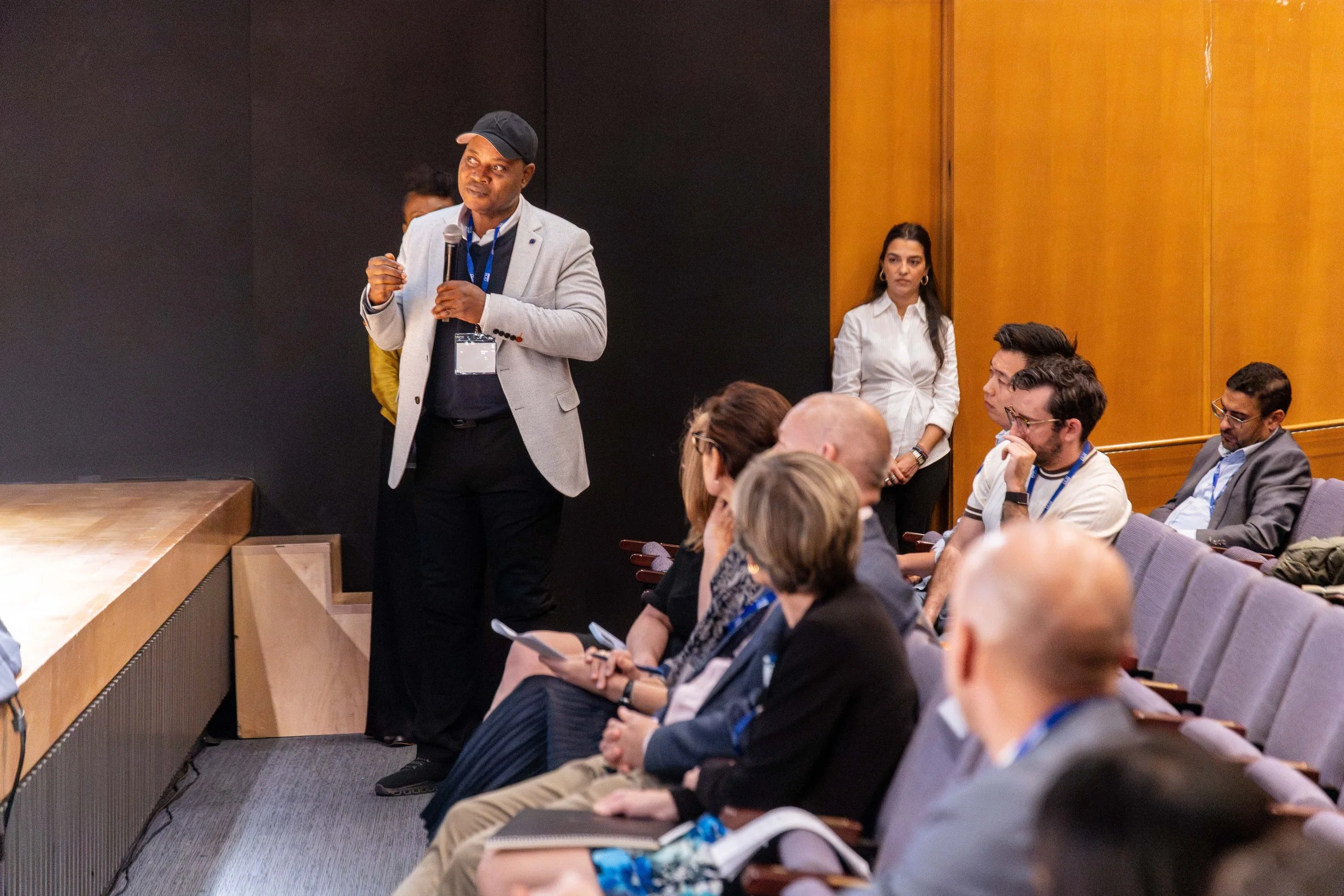
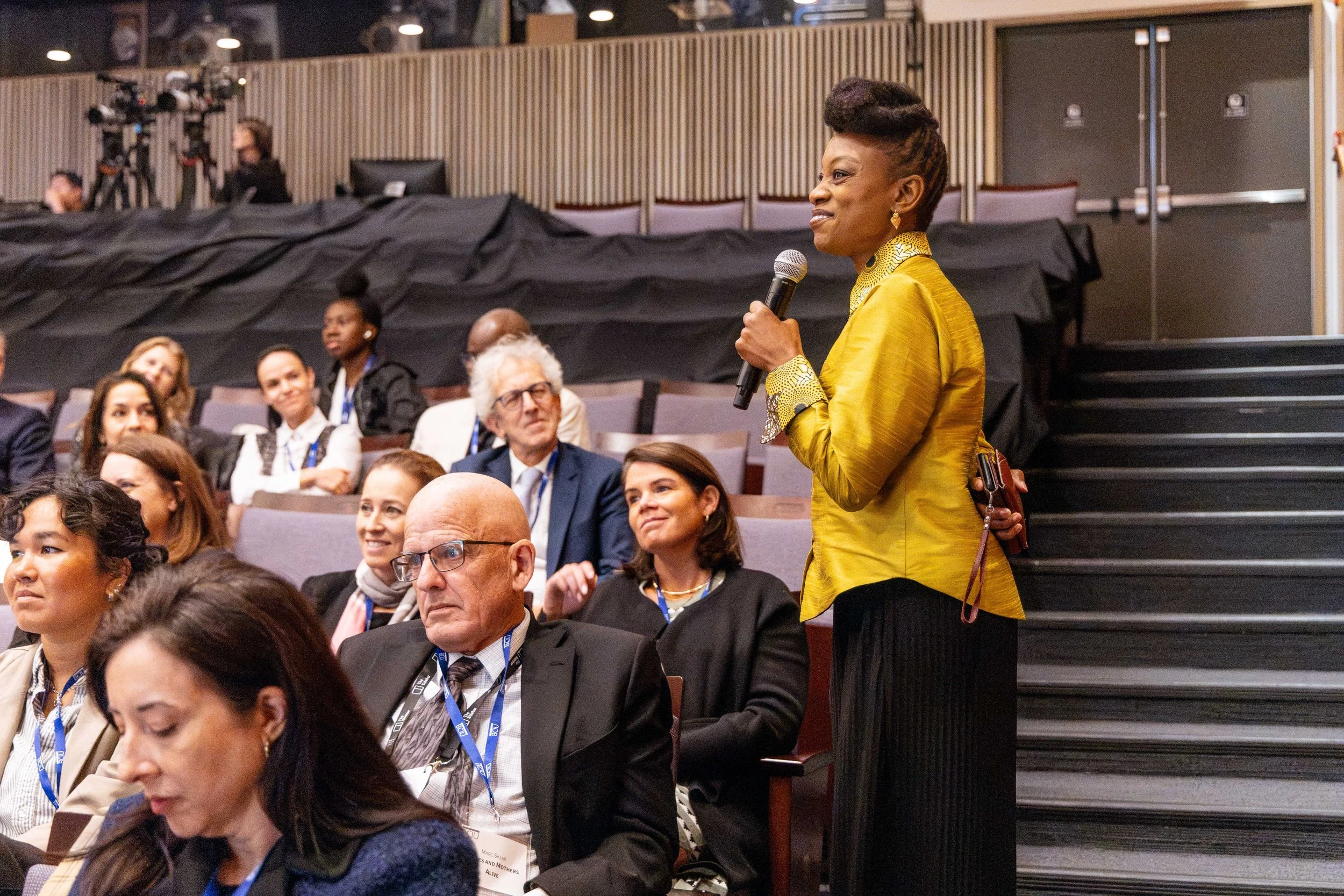
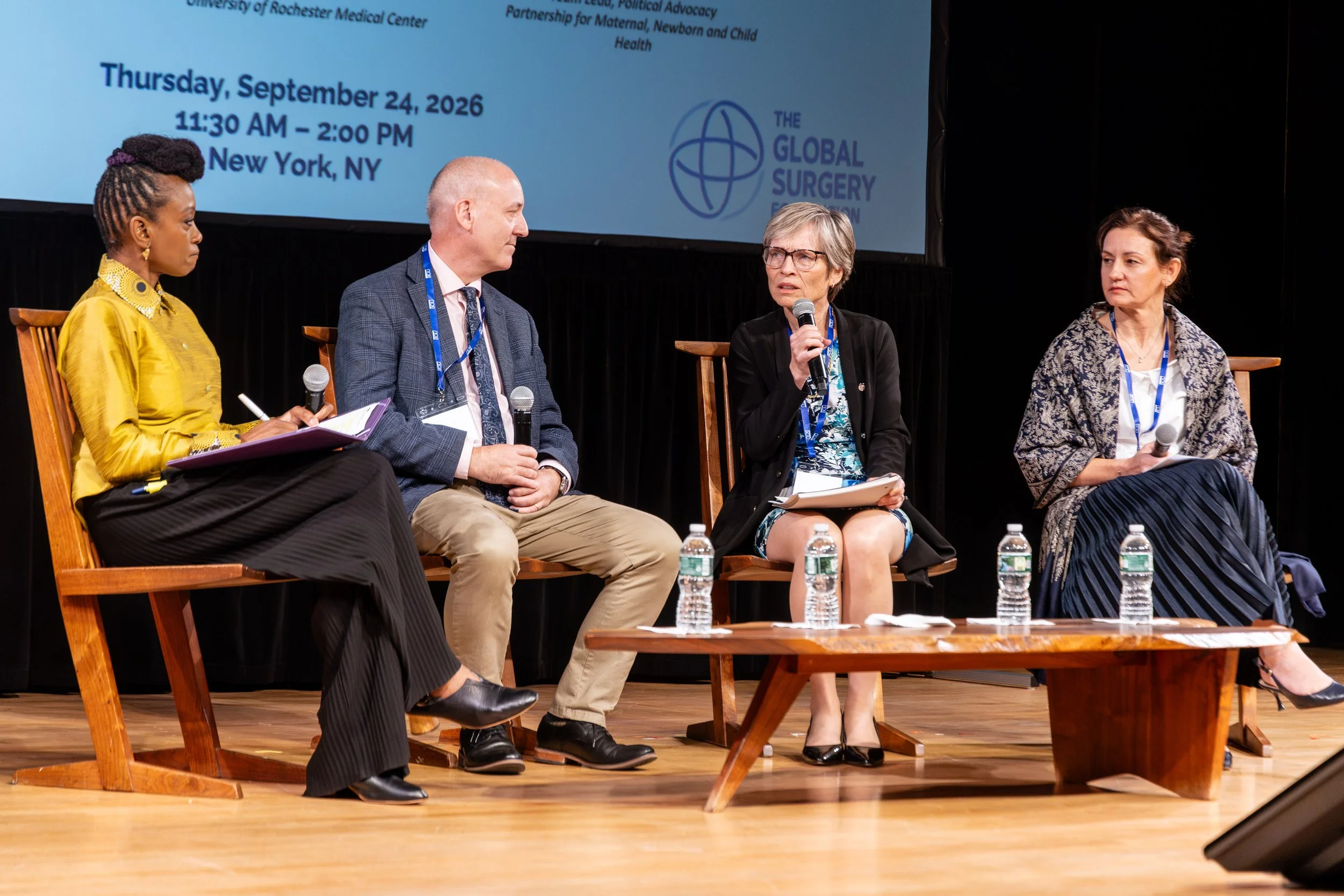
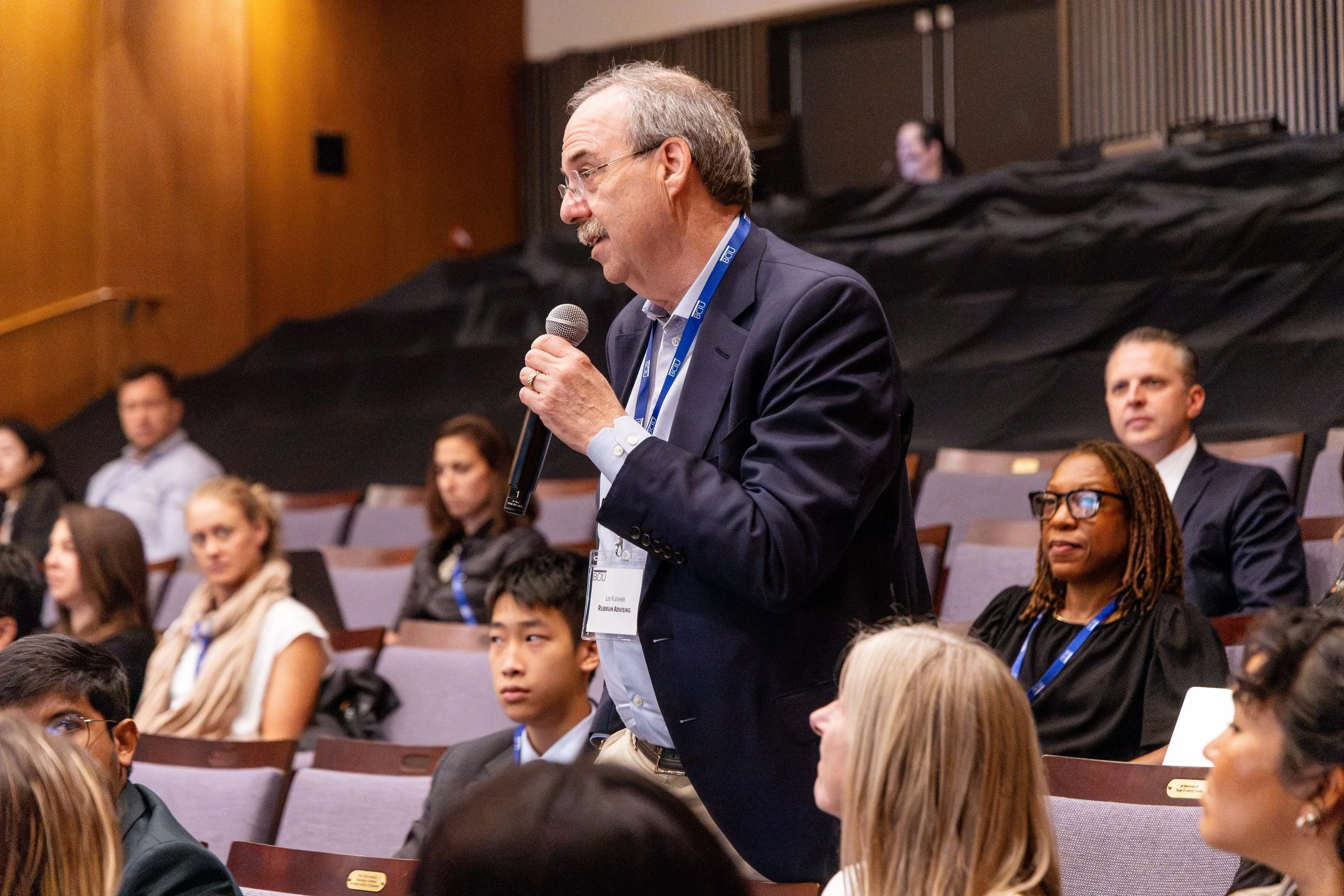
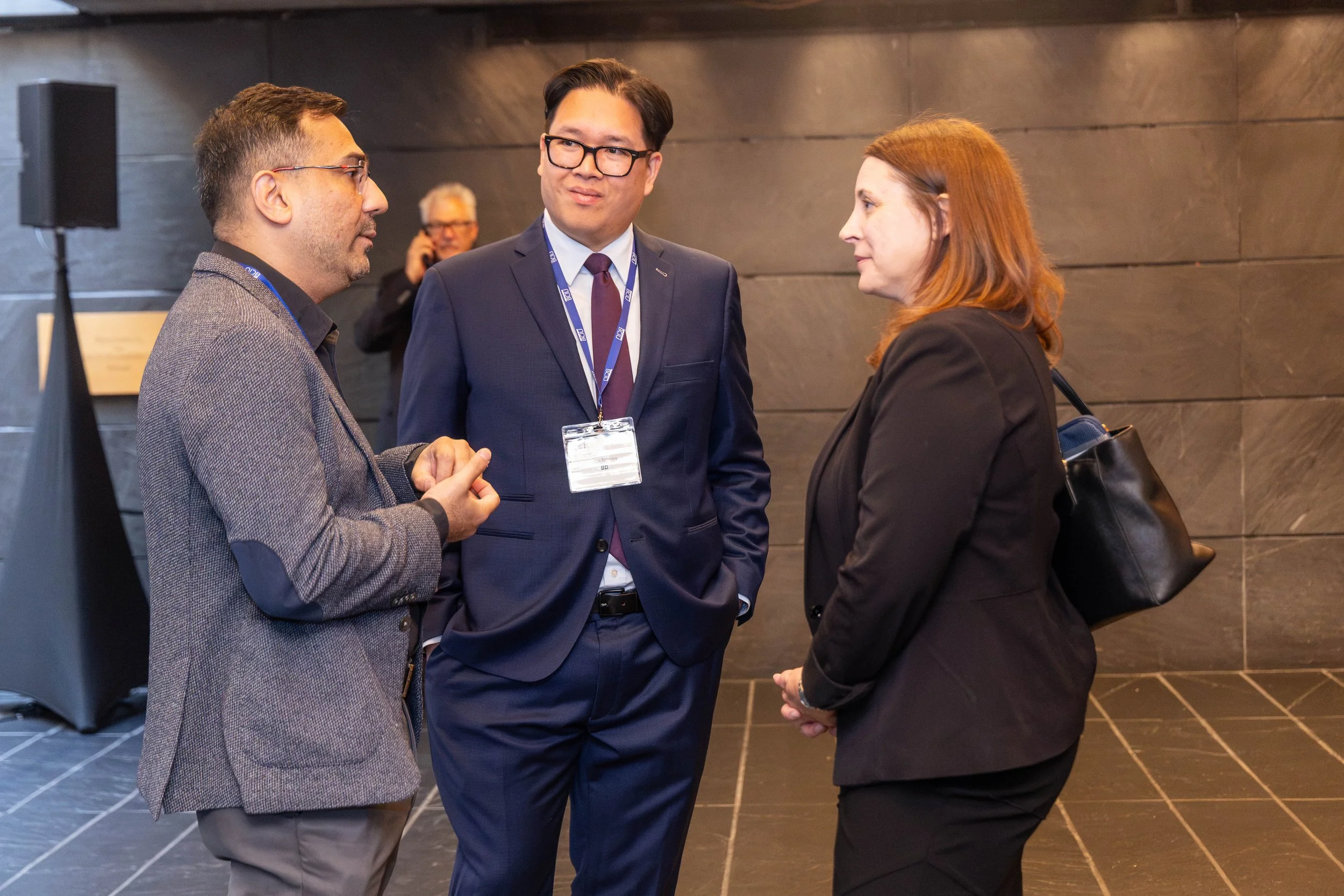
The event brought together government officials, UN agencies, financing institutions, clinicians, academics, private sector partners and patient advocates. The discussion covered why caesarean safety and maternal monitoring are a global priority, what continuous monitoring and AI-enabled tools can contribute to earlier recognition, and how policy, guidelines and investment can make better practice the standard of care.
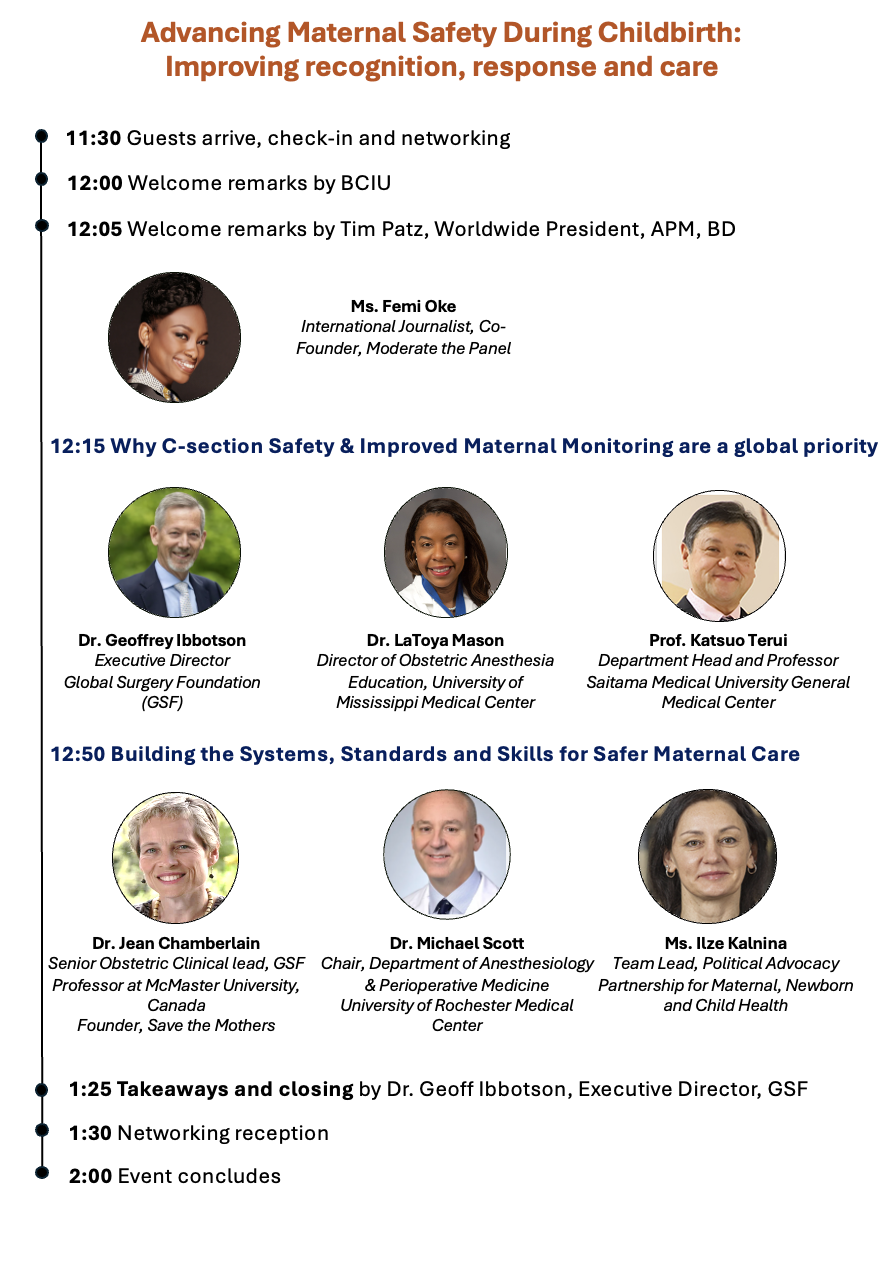
Agenda and speakers
Impressions







Partners



The Business Council for International Understanding hosted the event in partnership with the Global Surgery Foundation and BD.
Get involved now
Reach out to us at info@globalsurgeryfoundation.org
Stay informed
Sign up to our newsletter for updates on our work in safe surgical and maternal care.