Kano State
Safe caesarean care that saves the lives of mothers and newborns in Nigeria.
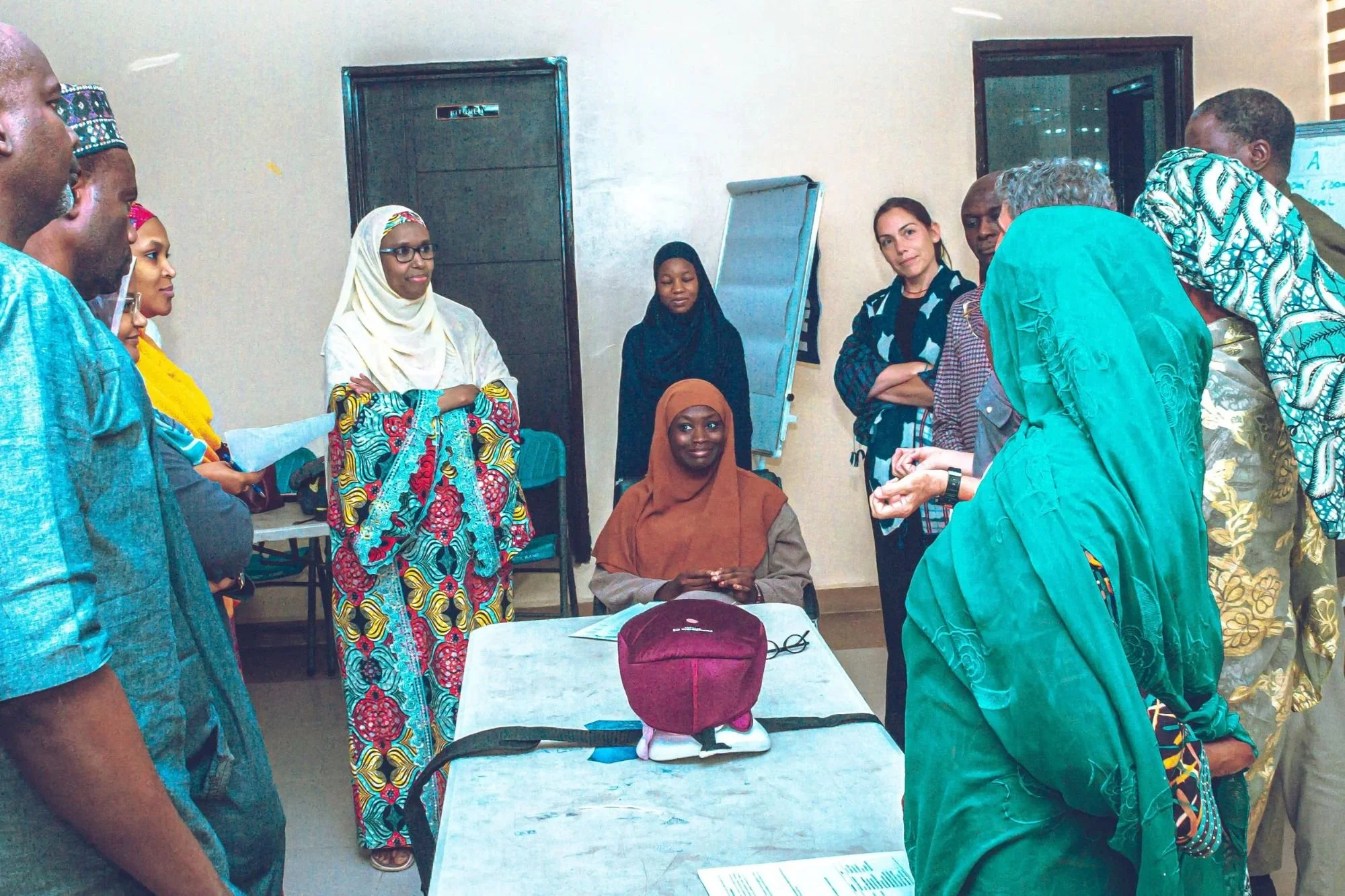
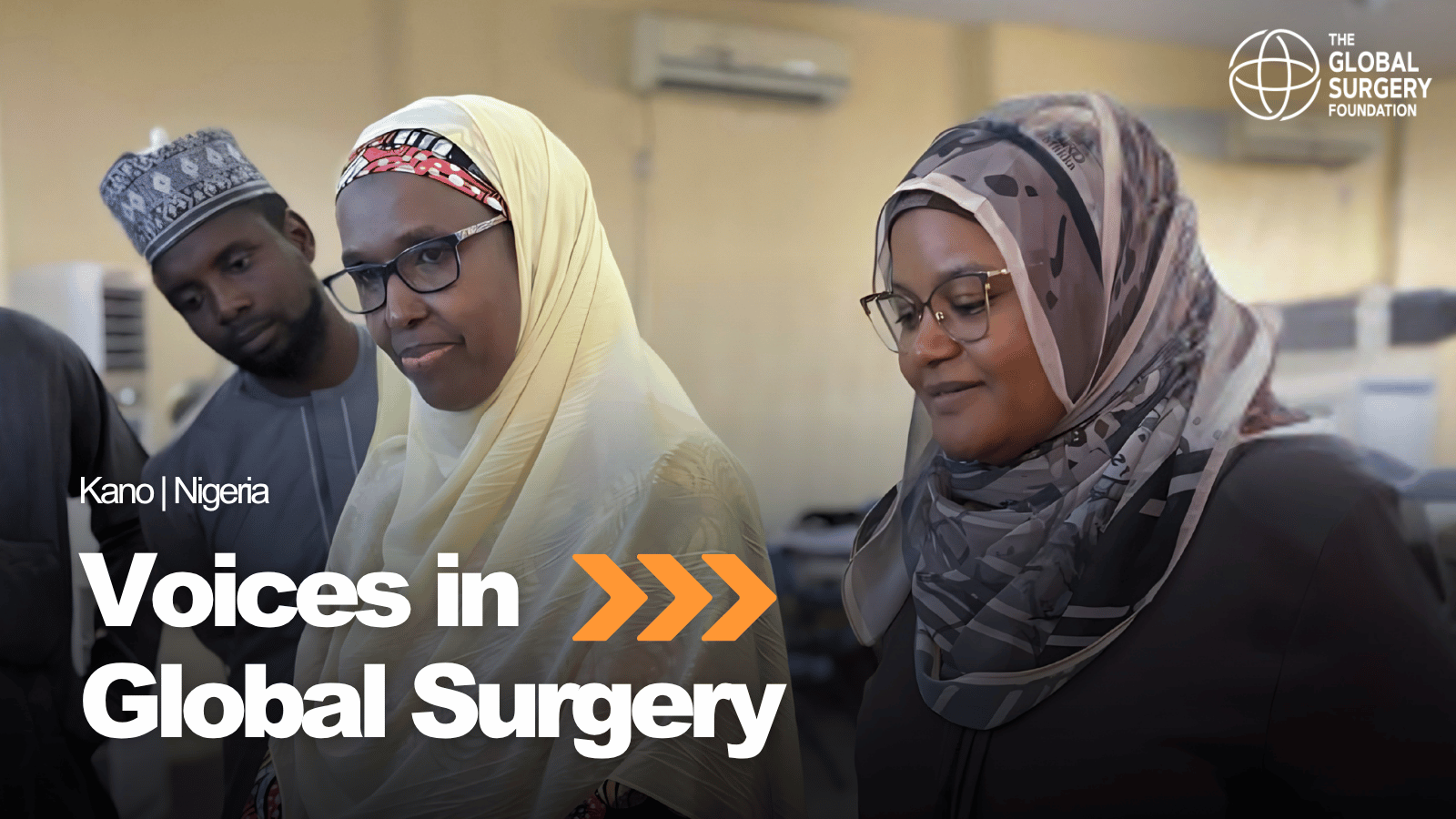
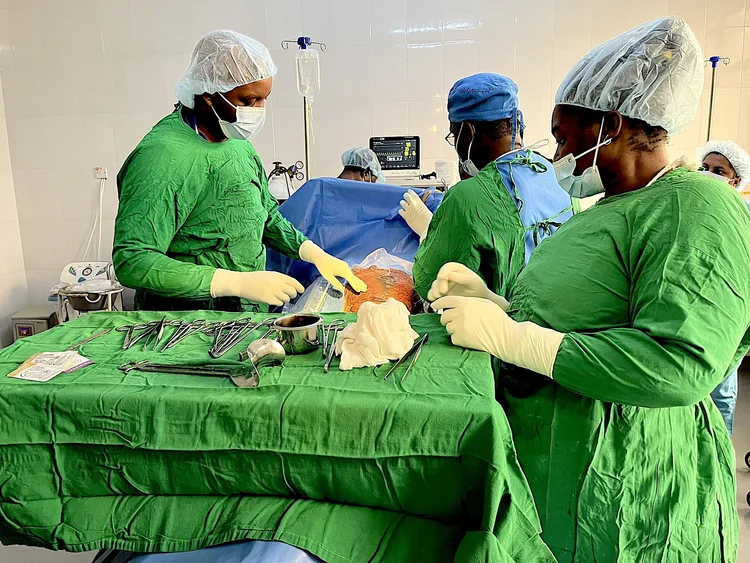
Photo: Making CS Safe in Kano project
The SURGfund-supported project “Making Caesarean Section (CS) Safe in Kano” aims to improve maternal and perinatal outcomes through safe, timely, appropriate, and respectful CS care for over 27,000 women giving birth each year in Kano, Nigeria.

Women in low- and middle-income countries are up to 100x more likely to die following CS compared to women in high-income countries.

Nigeria had an estimated 75,000 maternal deaths in 2023.

Nigeria had the highest number of maternal deaths worldwide, making up 28.7% of the global number.
Our mission
This project aims to reduce maternal and neonatal morbidity and mortality by implementing an integrated model for surgical team capacity-building to improve access to Safe CS in Kano, Nigeria.
Impact
Since the launch of this project, we have improved care for over 27,000 women and their newborns in Kano each year.
-42%
Reduction in newborn unit admissions
-50%
Reduction in the surgical site infection rate (pre-discharge)
-45%
Reduction in newborn mortality
About the project
With 81,474 maternal deaths, Nigeria was the leading contributor to global maternal deaths in 2020, accounting for over one-quarter of the total and a maternal mortality ratio (MMR) of 1,047 per 100,000 live births. Kano State in Northern Nigeria is the site of this project and had one of the highest MMRs in the country at 2,150 in 2013. Significant efforts are needed to enable Nigeria to achieve an MMR of 70, which is the goal of SDG Target 3.1.
CS rates have increased globally in the last three decades, reaching an estimated 21% worldwide and expected to rise to nearly 30% by 2030. These rates vary from country to country and even from facility to facility. Often, CS are not performed safely. In Northern Nigeria, including Kano state, the overall CS rate was found to be around 10%, but ranged from just under 2% to over 37% across 15 health facilities. While CS has become safer, evidence indicates a three-fold higher maternal death risk with CS compared to vaginal delivery. In addition, the risk of maternal death following CS is 50 times higher in Africa than in high-income countries. Therefore, optimising CS rates by avoiding both underuse (“too little, too late”) and overuse (“too much, too soon”) and ensuring that CS is performed safely and respectfully are critical.
Launched in March 2025, this project adapts a model that has been successfully tested in Kenya and Tanzania to facilitate capacity-building of interdisciplinary surgical teams, using lessons learned to help inform project design and implementation. This includes training on the correct use of the CS-adapted Surgical Safety Checklist, teamwork and communication, shared decision-making, team briefs, safety huddles, and standardisation of anaesthesia services. It also includes training on evidence-based updates and global recommendations on CS techniques, post-partum haemorrhage prevention and management during and after CS, prevention and management of surgical site infections, and post-operative pain control.
These trainings and ongoing mentorship are implemented through a hub-and-spoke model comprising ten facilities in Kano State. The two hubs are the Aminu Kano Teaching Hospital and the Muhammad Abdullahi Wase Teaching Hospital (CS rates of 38% and 20% respectively, compared to 4 to 8% CS rate in the eight spoke facilities). An initial three-day training brings together surgical teams from all the facilities. Training then continues for each surgical team at their own facility. A network of mentors accompanies and trains the surgical teams, including surgeons, theatre nurses, anaesthetists, and midwives. This capacity-building element aims to markedly improve the safety of CS services in the selected health facilities for the over 27,000 births that occur each year across the ten facilities, with a spillover effect to other areas, improving a culture of patient safety.
This project is funded through SURGfund, our collaborative funding platform for surgical care.

Project partners
Lead implementing partner
Our lead implementing partner for this project is ACEPHAP, whose mission is to produce skilled human resources for health, with a focus on linking research findings to policy implementation to achieve sustainable development.
Project funding
This project is supported through the GSF’s collaborative funding platform, SURGfund. This includes support by the Republic and Canton of Geneva, Switzerland.
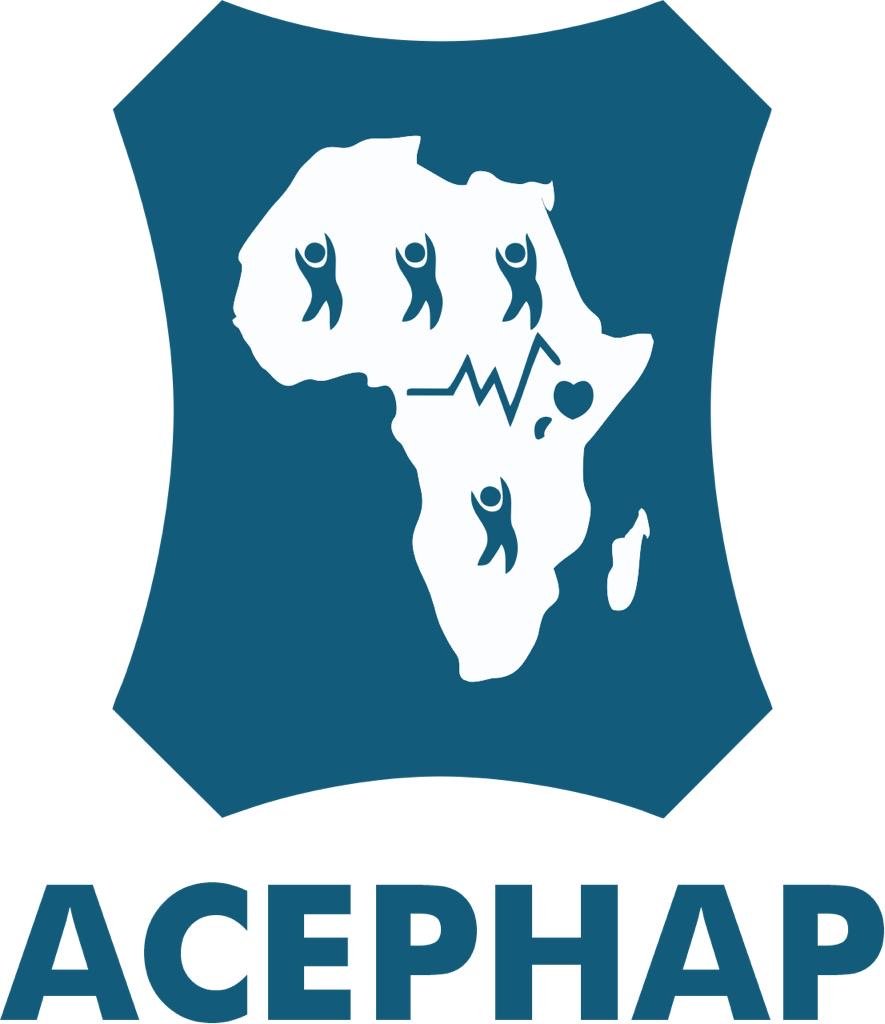




As an obstetrician, I bear witness to the enormous suffering of my people because my country has one of the highest number of maternal deaths in the world.
Prof. Dr. Hadiza Galadanci
GSF Advisor | Director of ACEPHAP Professor of Obstetrics and Gynaecology, Bayero University
Project team
Our team brings together local experts in Kano and our international team.

Prof. Hadiza Galadanci
Director, ACEPHAP
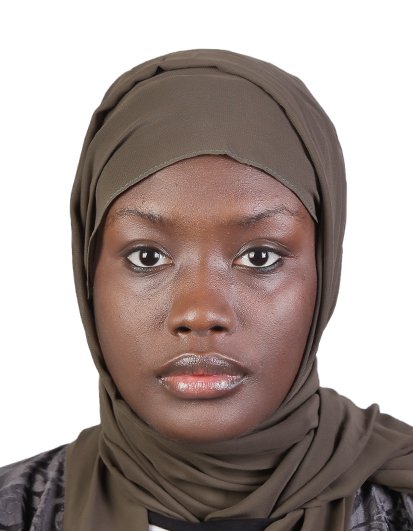
Maryam Zarewa
Grant Manager, ACEPHAP

Dr. Aminu Ado Wakili
Medical Doctor and Research Fellow, ACEPHAP

Dr. Maryam Lawal Wada
O&G Consultant, Muhammad Abdullahi Wase Teaching Hospital

Dr. Sadiq Ma'aji
MERL, ACEPHAP

Dr. Mélanie Samson
Programme Lead, Women’s Health, GSF
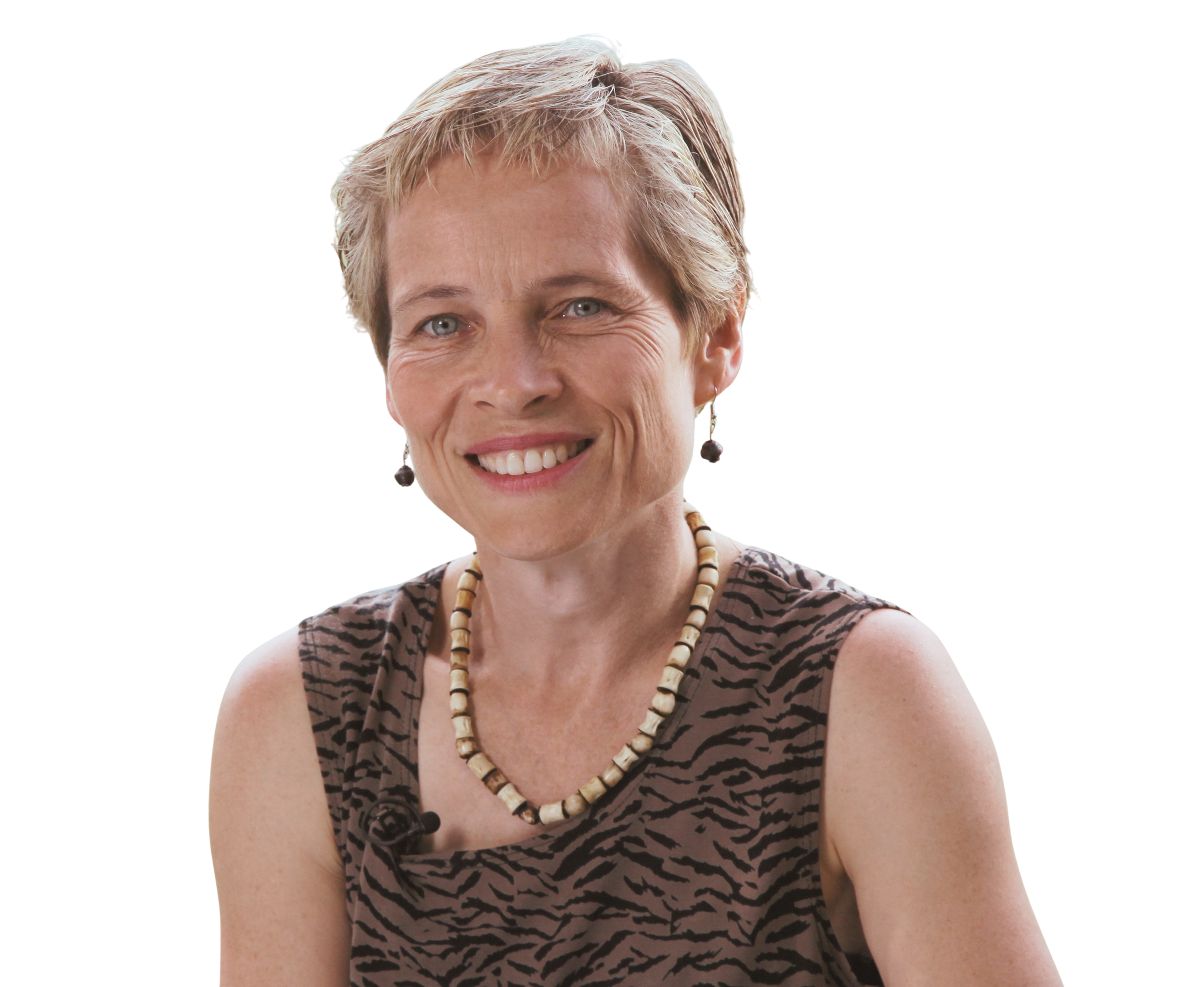
Dr. Jean Chamberlain
Clinical Lead, Women’s Health, GSF
More of our work
Other projects funded and accompanied by the GSF.
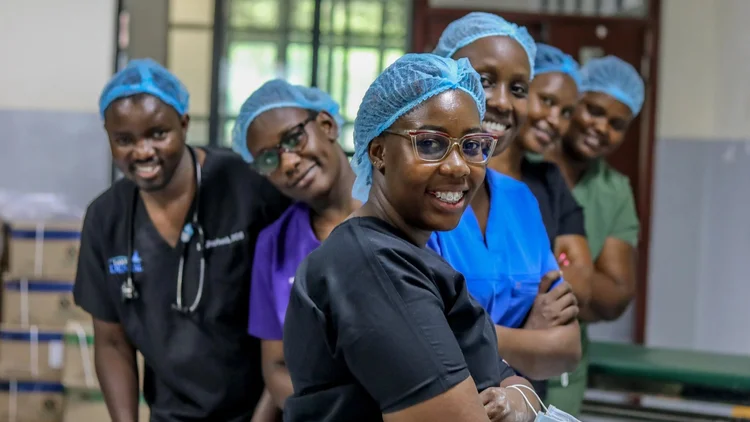
KENYA
Nakuru County
Safe, timely and respectful caesarean care for over 25,000 women giving birth each year across five facilities in Nakuru County.

GLOBAL · ONLINE LEARNING
SURGhub
The UN Global Surgery Learning Hub: online courses for surgical care teams, with more than 67,000 registered learners.
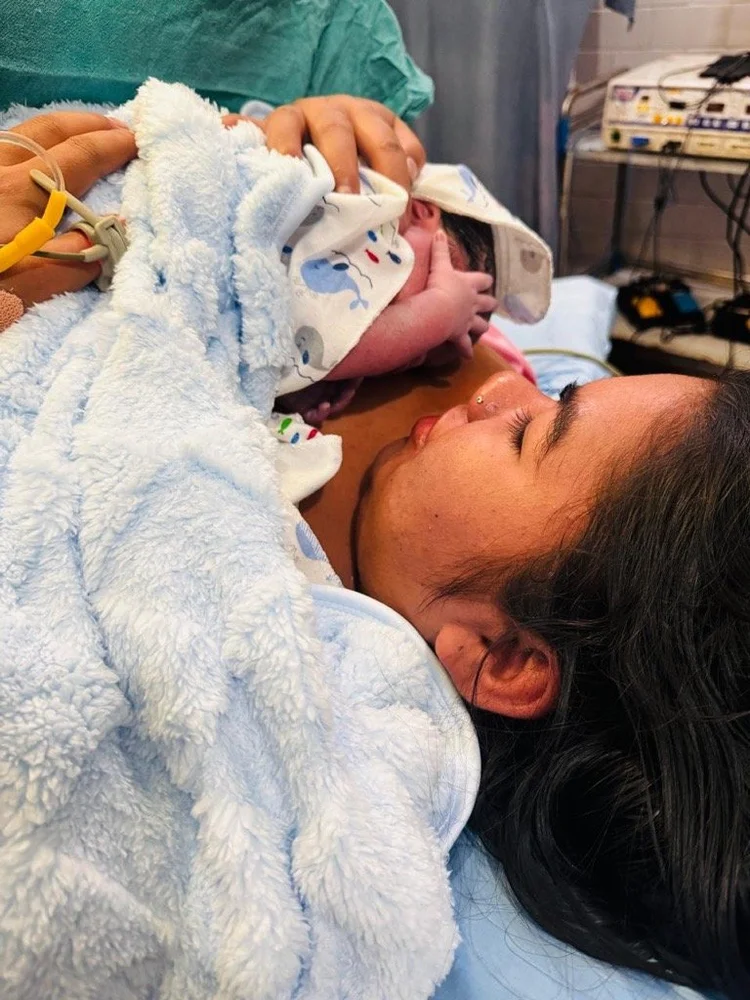
NEPAL
Koshi Province
Reducing deaths and complications linked to caesarean section for mothers and newborns in Koshi Province.

TANZANIA
Building Bridges for Broken Bones
Better fracture care in rural Tanzania through training and collaboration between traditional bonesetters and surgeons.
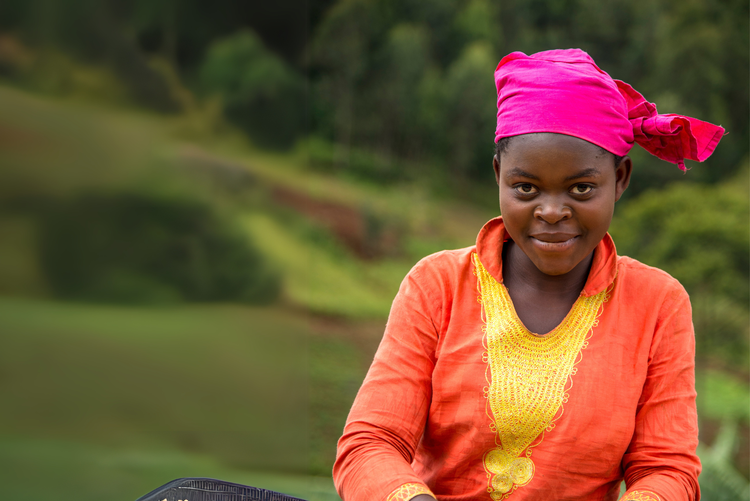
RWANDA
Breast cancer surgery
Improving outcomes for women with breast cancer in Rwanda through better training, patient navigation and data systems.
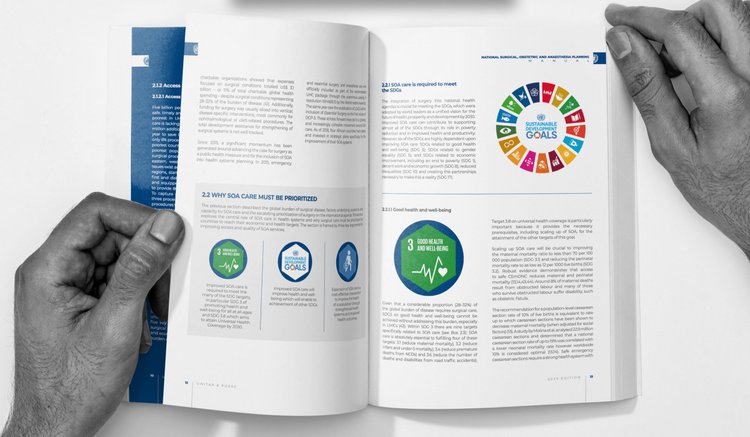
PAKISTAN · NEPAL
National surgical planning
Helping ministries of health plan how to expand access to safe surgical care, with the NSOAP Manual and country support.
PREVIOUS PROJECT
C-Safe
Developing, implementing and evaluating a strategy to reduce maternal and newborn deaths and complications following caesarean section in low- and middle-income countries.
Partner with us.
This project is made possible by SURGfund, the GSF’s collaborative funding platform for surgical care.
Partner with us today to accelerate access to surgical care for all women who need it.
Contact: m.samson@globalsurgeryfoundation.org