News and events
Stay up to date on our activities and the latest news in global surgery.
News type: Programme updates · Stories · Partnerships · Publications · Organisation
Event type: High-level events · Webinars · External events
Project: Kano (Nigeria) · Nakuru (Kenya) · Koshi (Nepal) · Bonesetters (Tanzania) · Breast cancer (Türkiye) · SURGhub
Photo: OSS Nakuru project

World Cervical Cancer Elimination Day 2026: Together We Can Eliminate Cervical Cancer
On 17 November, the World Health Organization (WHO) and its partners mark World Cervical Cancer Elimination Day. Six years after 194 countries backed a plan to eliminate a cancer for the first time, reaching its 2030 targets depends on treatment, including surgical care, being within reach of every woman who needs it.
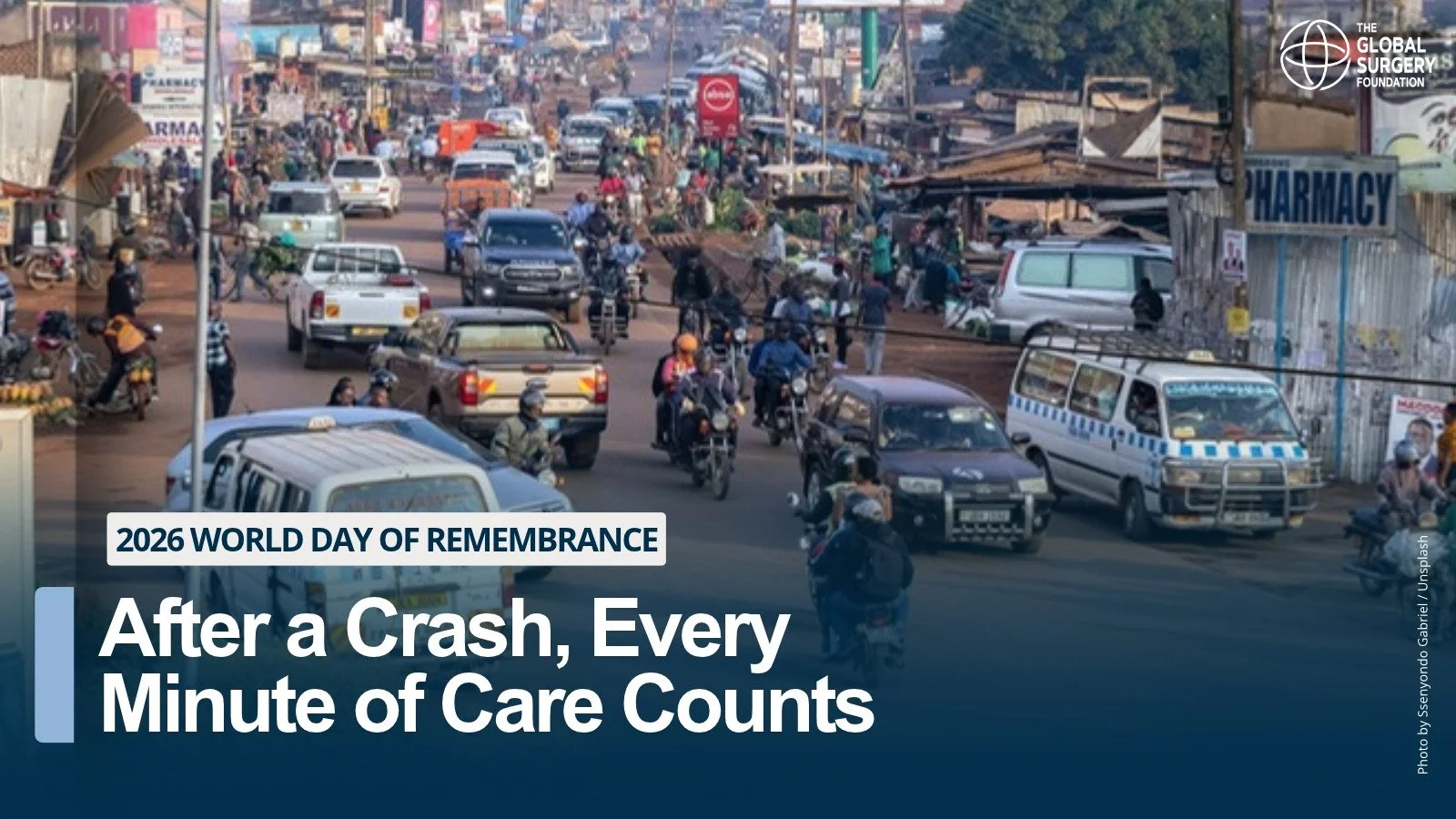
World Day of Remembrance for Road Traffic Victims 2026: care in the first minutes after a crash
On Sunday 15 November, people around the world remember those killed and injured on the roads. For the millions injured each year, the care they receive in the first minutes and hours after a crash can decide whether they survive and how well they recover.
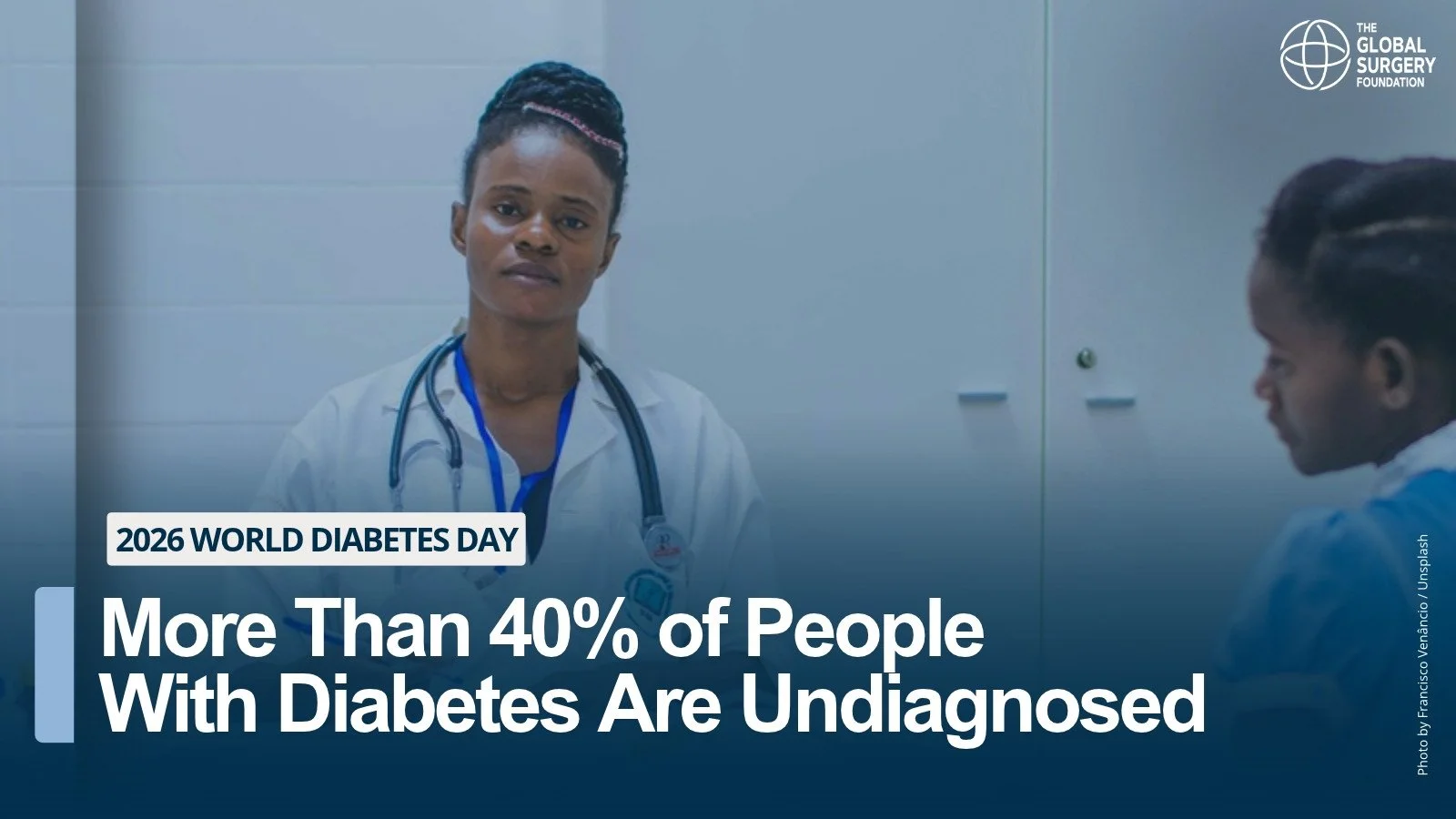
World Diabetes Day 2026: Early Action on Diabetes
On 14 November, World Diabetes Day begins a two-year campaign on early action: finding diabetes sooner and lowering the risk of developing it. Acting early can also prevent foot problems that would otherwise end in an operation.

The New York Times on Prof. Hadiza Galadanci and safer births in Kano
The New York Times has reported on a calibrated drape that helps midwives in Kano, Nigeria, spot heavy bleeding after birth early. Prof. Hadiza Galadanci, who oversaw the research in Nigeria, leads the Making Caesarean Section Safe in Kano project with her team at ACEPHAP.

Beyond the Screen: Dr. Andrea Cárdenas González on Taking Online Learning into Theatre
A third-year General Surgery resident at a public hospital in Querétaro, Mexico, Dr. Andrea Cárdenas González explains what draws her to reconstructive surgery, and how a SURGhub course on appendicitis gave structure to her practice on a box trainer.
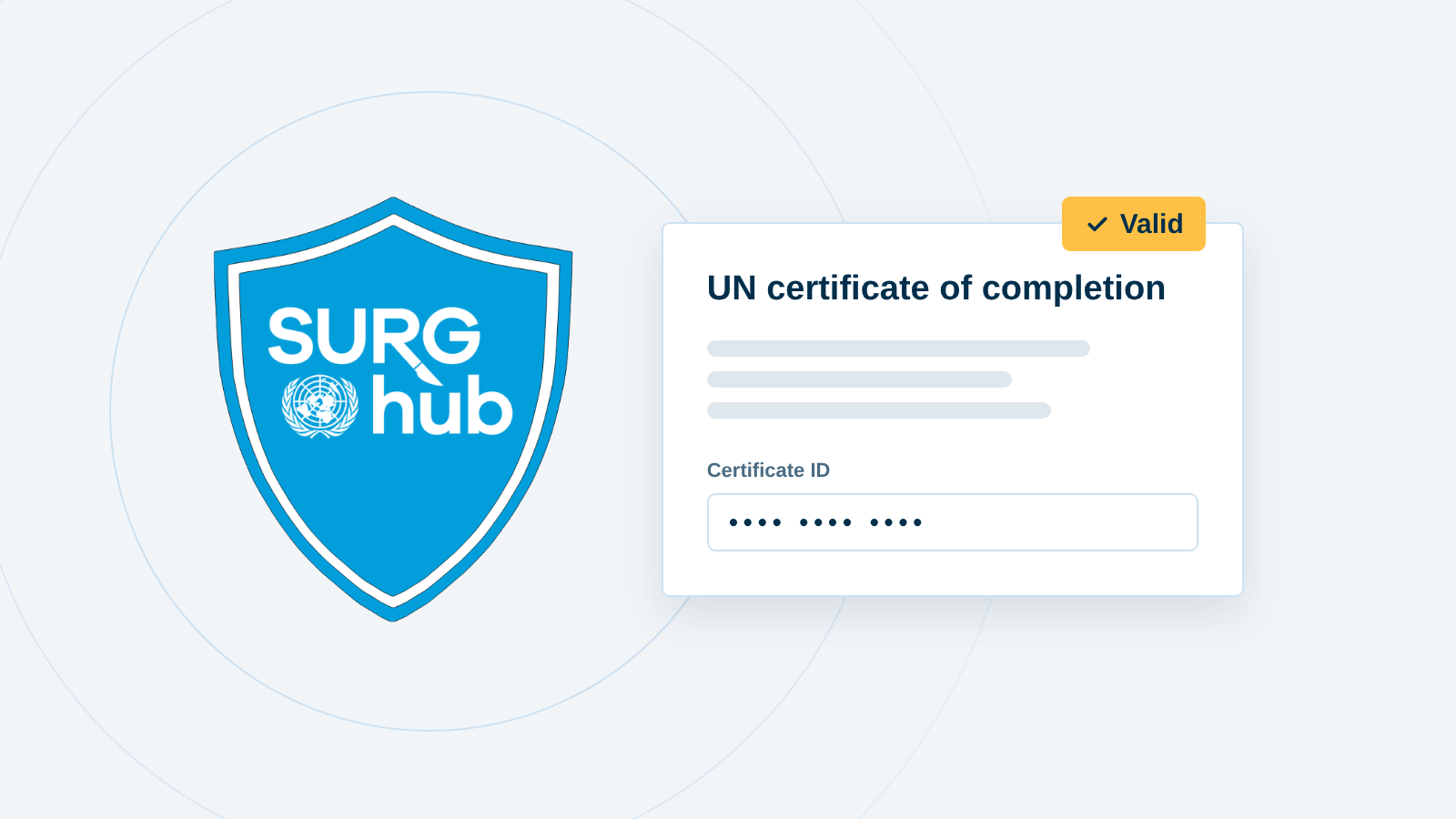
Check a SURGhub certificate online
From 3 November 2026, employers and training institutions can check online that a SURGhub UN certificate of completion is genuine, using the certificate ID.
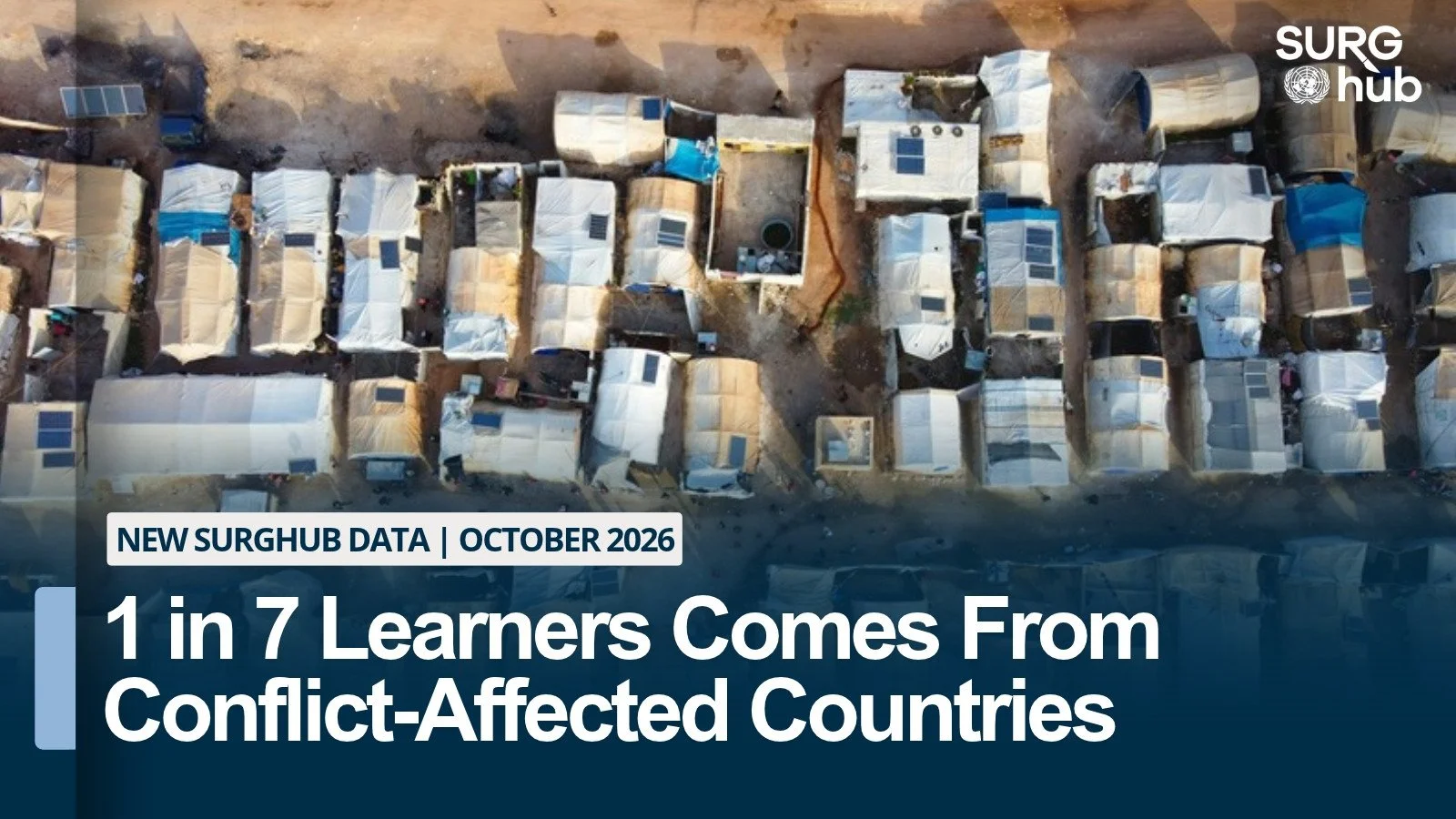
1 in 7 SURGhub Learners Comes From a Conflict-Affected Country
More than 10,000 learners from the 24 countries on the World Bank’s latest list of conflict-affected situations are using SURGhub. Together they make up about one in seven registered learners.

Breast Cancer Awareness Month: Invest in the Surgical Team
Surgery remains the cornerstone of multimodal breast cancer treatment. Professor Freddy Gnangnon, a surgical oncologist in Cotonou, Benin, explains why women in sub-Saharan Africa need not only access to an operation, but surgical teams trained to perform it safely as part of multidisciplinary care.

A Need No Surgeon Could Meet Alone
Dr. Andrea Parker moved to Kenya to operate. Today she builds the educational systems that train the surgeons who can.

180 Years of Anaesthesia, Along the Patient Pathway
On 16 October, anaesthesia teams around the world mark World Anaesthesia Day, 180 years after the first public demonstration of ether anaesthesia. This year’s campaign looks at the part anaesthesiologists play in a patient’s care before, during and long after an operation.

Not Built by One Person Alone: Dr. Abdihakim Mohamoud Ahmed on Training Between Shifts
A junior doctor at a district hospital in Somaliland, Dr. Abdihakim Mohamoud Ahmed shares how he redirected his free time towards surgical training, and why he believes the future of surgical care belongs to a generation rather than to any one person.

Johnson & Johnson Foundation and the Global Surgery Foundation Deepen Their Work, Partnering to Scale Surgical Care in Low- and Middle-Income Countries
A renewed $1 million commitment to SURGfund, announced at WHA79, will train surgical healthcare workers and improve care for patients at 31 facilities. As an anchor contribution it also strengthens the case for further investment into the collaborative funding mechanism.

The Invisible Work That Keeps Surgery Safe in Kano, Nigeria
In the latest instalment of Voices of Global Surgery, Ibrahim Isah Muhammad, perioperative nurse and operating theatre in-charge at Wudil General Hospital in Kano State, Nigeria, reflects on the realisation that saving lives in surgery often begins long before the first incision.

World Postpartum Haemorrhage Day 2026
On 5 October, maternal health organisations mark World Postpartum Haemorrhage Day. One year after new global guidelines were issued, the day is a reminder that most deaths from bleeding after birth can be prevented.

GSF Names New Programme and Clinical Leads for Women's Health
Dr. Mélanie Samson takes on the role of Programme Lead, Women’s Health, and Dr. Jean Chamberlain becomes Clinical Lead, Maternal Health, as the Global Surgery Foundation’s safe caesarean section projects expand.

Advancing Maternal Safety during Childbirth: Highlights from our UNGA81 Side-Event
On 24 September 2026, BCIU, BD and the Global Surgery Foundation brought together stakeholders in New York, on the margins of UNGA81, to discuss how health systems can recognise and respond to maternal complications earlier.

New SURGhub Course Helps Surgical Teams Prevent Postpartum Haemorrhage
A free short course from the Global Surgery Foundation trains obstetric, anaesthesia, midwifery and nursing teams in the latest WHO guidance on heat-stable carbetocin for preventing postpartum haemorrhage at caesarean section.

GSF Takes the Evidence On Safe Caesarean Care to UNGA
The Global Surgery Foundation's Safe Caesarean Section projects in Nepal, Kenya and Nigeria are expanding from 19 to 31 health facilities. Ahead of two UN General Assembly events on maternal survival, here is what the model has changed so far.

World Patient Safety Day 2026: Safe Care for Noncommunicable Diseases
On 17 September, the World Health Organization marks World Patient Safety Day for the seventh year running. In 2026, the campaign turns to noncommunicable diseases, conditions for which surgery is one of the standard treatments.

Non-communicable diseases receive just 2.5% of health aid
A global analysis of two decades of health aid found that non-communicable diseases received a fraction of funding despite causing most of the disease burden.