

National surgical planning
The NSOAP Manual helps ministries of health plan how to expand access to safe surgical, obstetric and anaesthesia care.
About NSOAP
National Surgical, Obstetric and Anaesthesia Planning (NSOAP) gives ministries of health a way to build surgical care into their national health strategies.
The NSOAP Manual sets out a step-by-step planning method for governments. It was written by leaders in surgery, obstetrics and anaesthesia, and published by the United Nations Institute for Training and Research (UNITAR), the Harvard Medical School Program in Global Surgery and Social Change (PGSSC) and the Global Surgery Foundation.
The Manual was launched on 28 September 2020 with a series of seven online events. A Spanish edition followed in 2022.
Read more about the Manual from Harvard PGSSC and UNITAR.
Get the Manual
Download the NSOAP Manual in English or Spanish, or watch the launch events.
English
Español
Launch series
The 2020 launch
UNITAR, Harvard PGSSC and the Global Surgery Foundation launched the NSOAP Manual at a public online event in September 2020.
Supporting national surgical plans
We support ministries of health in Pakistan and Nepal as they use the NSOAP process.
Pakistan
Pakistan was the first country in Asia to develop a national surgical plan. Using the NSOAP framework, its National Vision for Surgical Care 2020–2025 was developed with a broad range of stakeholders to identify gaps in surgical care and set a strategic direction to strengthen surgical systems.
The plan was launched at an event held in partnership with the Global Surgery Foundation, and we continue to support its implementation.
Nepal
Nepal is a signatory to World Health Assembly resolution WHA68.15 on strengthening emergency and essential surgical care and anaesthesia. With its partners, the Global Surgery Foundation helped run a four-day NSOAP orientation hosted by Nepal’s Ministry of Health and Population. It brought the main stakeholders together to start developing a national surgical plan for Nepal.
We continue to support Nepal as it develops its plan.
More of our work
Other projects funded and accompanied by the GSF.
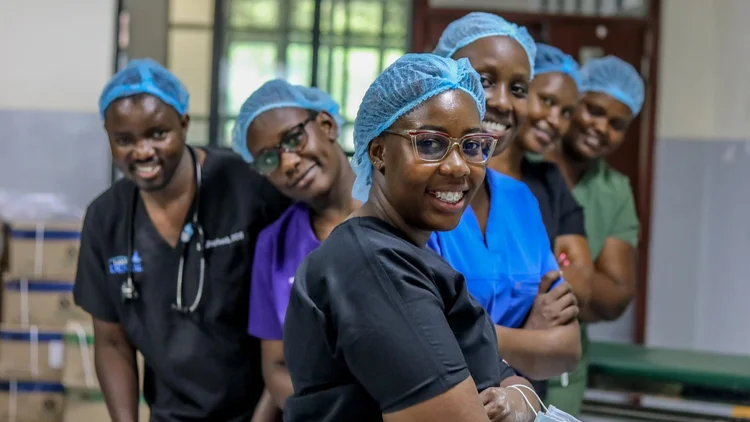
KENYA
Nakuru County
Safe, timely and respectful caesarean care for over 25,000 women giving birth each year across five facilities in Nakuru County.

GLOBAL · ONLINE LEARNING
SURGhub
The UN Global Surgery Learning Hub: online courses for surgical care teams, with more than 67,000 registered learners.
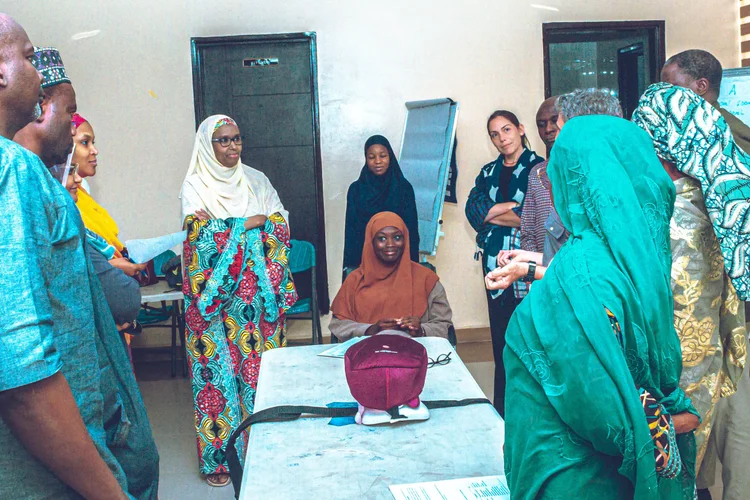
NIGERIA
Kano State
Safe, timely and respectful caesarean care for over 27,000 women giving birth each year in Kano State.
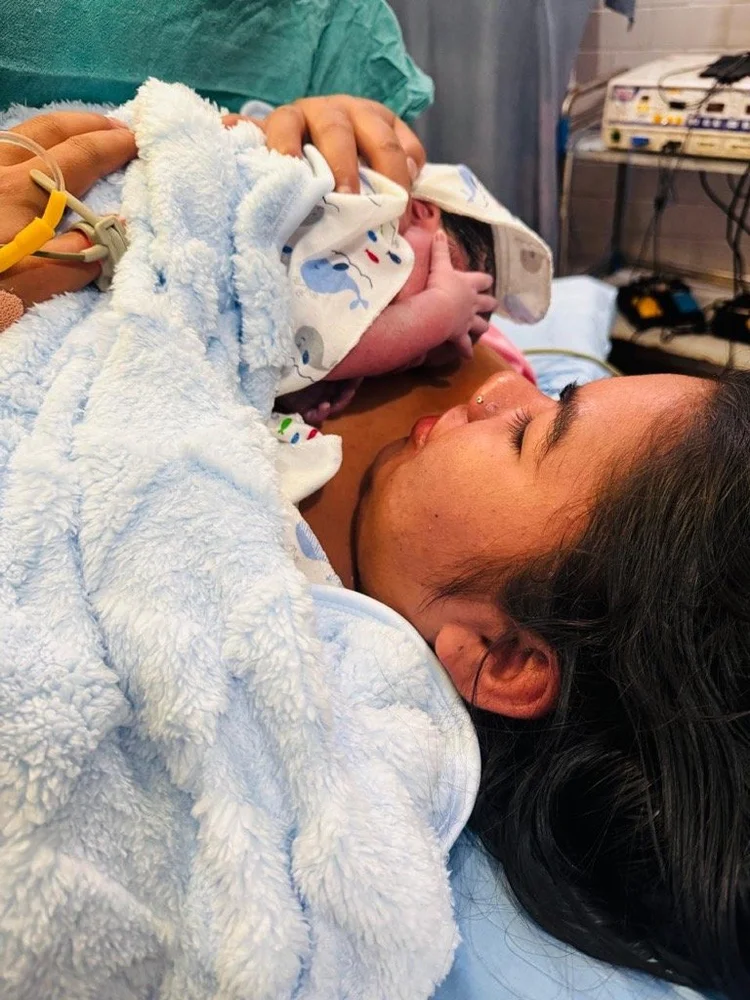
NEPAL
Koshi Province
Reducing deaths and complications linked to caesarean section for mothers and newborns in Koshi Province.

TANZANIA
Building Bridges for Broken Bones
Better fracture care in rural Tanzania through training and collaboration between traditional bonesetters and surgeons.
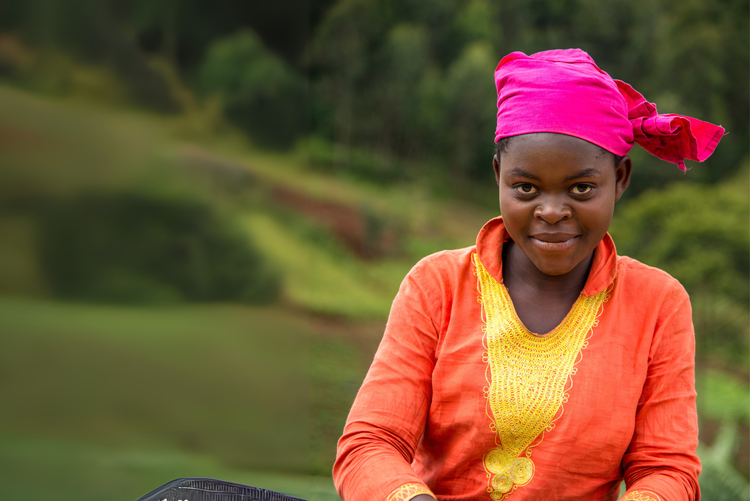
RWANDA
Breast cancer surgery
Improving outcomes for women with breast cancer in Rwanda through better training, patient navigation and data systems.
PREVIOUS PROJECT
C-Safe
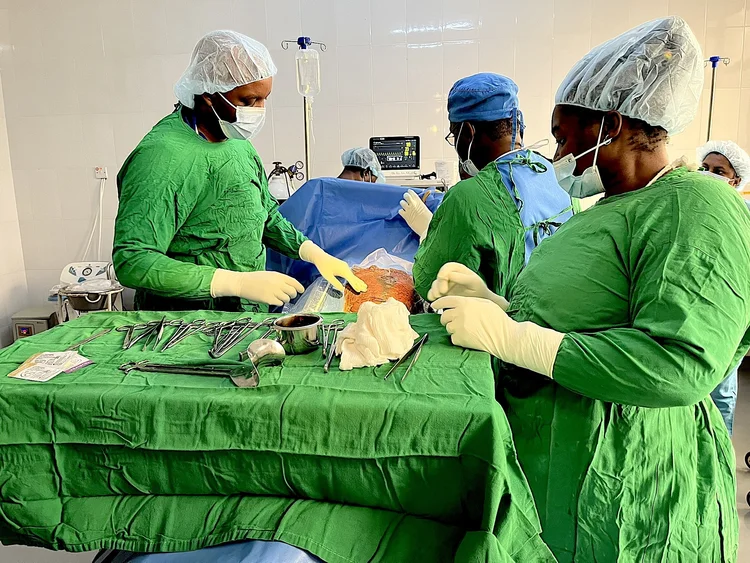
Developing, implementing and evaluating a strategy to reduce maternal and newborn deaths and complications following caesarean section in low- and middle-income countries.