Better Together: Bonesetter-Surgeon Collaboration Improves Trauma Outcomes
Can traditional beliefs and modern surgical care coexist to save lives? A SURGfund-supported pilot study in Tanzania suggests the answer is a resounding yes.
The project received funding through the world’s first catalytic fund for surgical care systems, SURGfund.
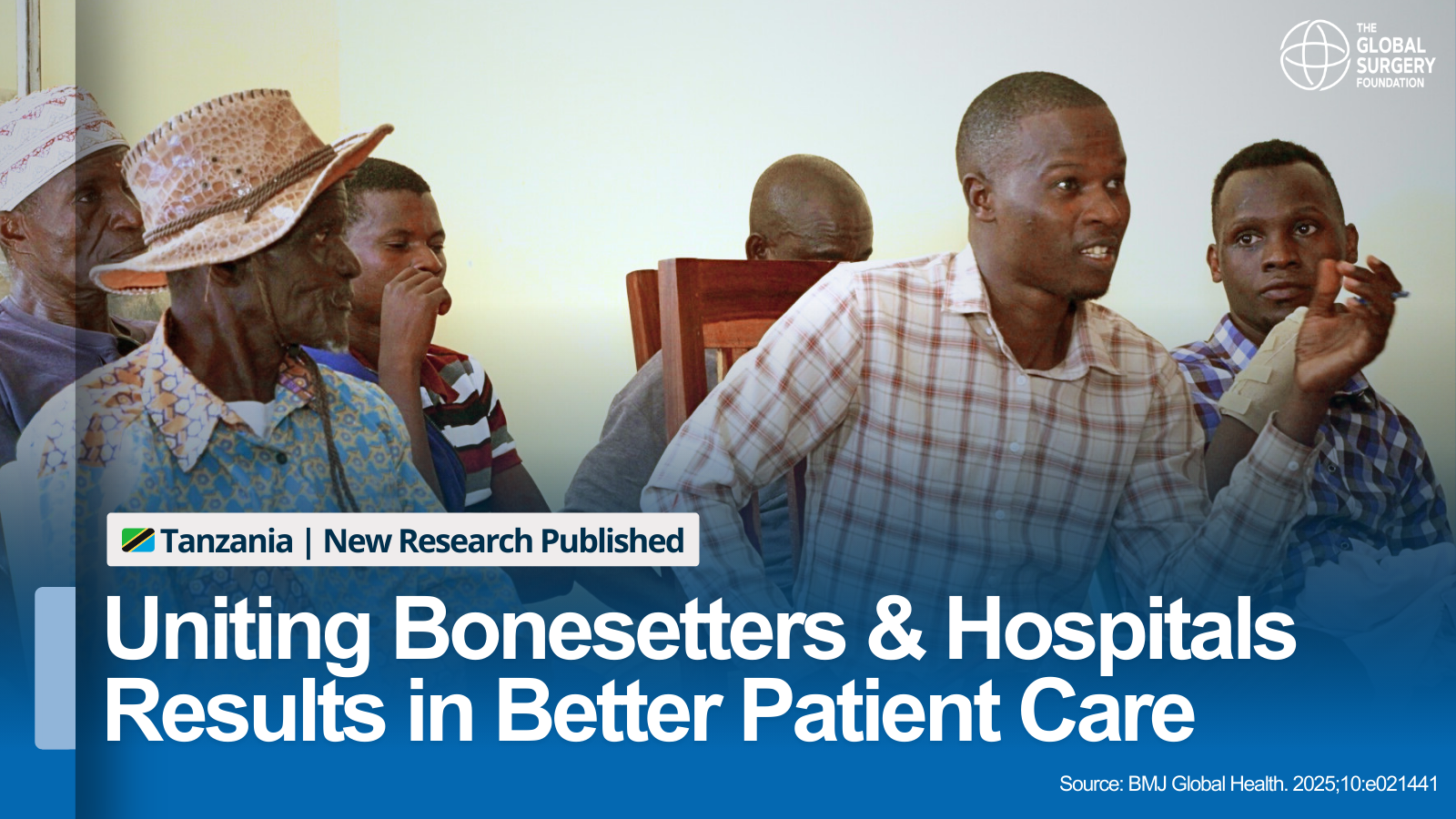
A pilot study in Tanzania found that working together with both traditional bonesetters and formal medical providers can make fracture care safer. The collaborative fracture-management model brought the two groups together in a structured way.
The study was part of the Building Bridges for Broken Bones project. By formalizing the relationship between traditional bonesetters and hospital staff, the project has established a safe, acceptable, and feasible pathway for fracture management—turning a historically fragmented system into a united front against trauma-related disability.
The study involved 52 patients—21 treated through the collaborative approach (intervention group) and 31 treated with standard bonesetter care (control group)—and compared their outcomes.
What the pilot found:
Safety and early outcomes: The intervention group experienced fewer complications, and increased trends in patient-satisfaction.
Acceptability: Patients, traditional bonesetters and health staff accepted the model, with 66.7% protocol adherence in the intervention group.
Feasibility of structured collaboration: Bonesetters, clinicians, and patients expressed support for shared decision-making and defined treatment pathways.
Bridging Worlds: How traditional bonesetters and surgeons are uniting to improve fracture care in rural Tanzania.
Towards Respectful, Inclusive Trauma Care
This pilot challenges the often rigid divide between traditional healers and formal medicine. By showing that collaboration is both acceptable and safe, it opens a path for health systems to formally recognise and integrate community-based practitioners. This is especially relevant in settings where traditional bonesetters remain deeply trusted and widely used.
If scaled and adapted appropriately, this collaborative model could offer a pragmatic way to reduce fracture-related disability in rural and low-resource settings, while respecting community trust and traditional practices.
SURGfund - Anchored in Local Leadership
The first catalytic fund for surgical care systems, SURGfund, received a wave of contributions at the 2025 World Health Assembly
This pilot suggests a promising model for health systems seeking to bridge gaps between formal and traditional care, with potential for scaling across regions facing similar challenges.
Through catalytic financing, expert collaboration, and local leadership, GSF’s SURGfund helped transform this initiative from concept to reality. Our approach ensures that surgical care is designed and driven by the communities they serve.
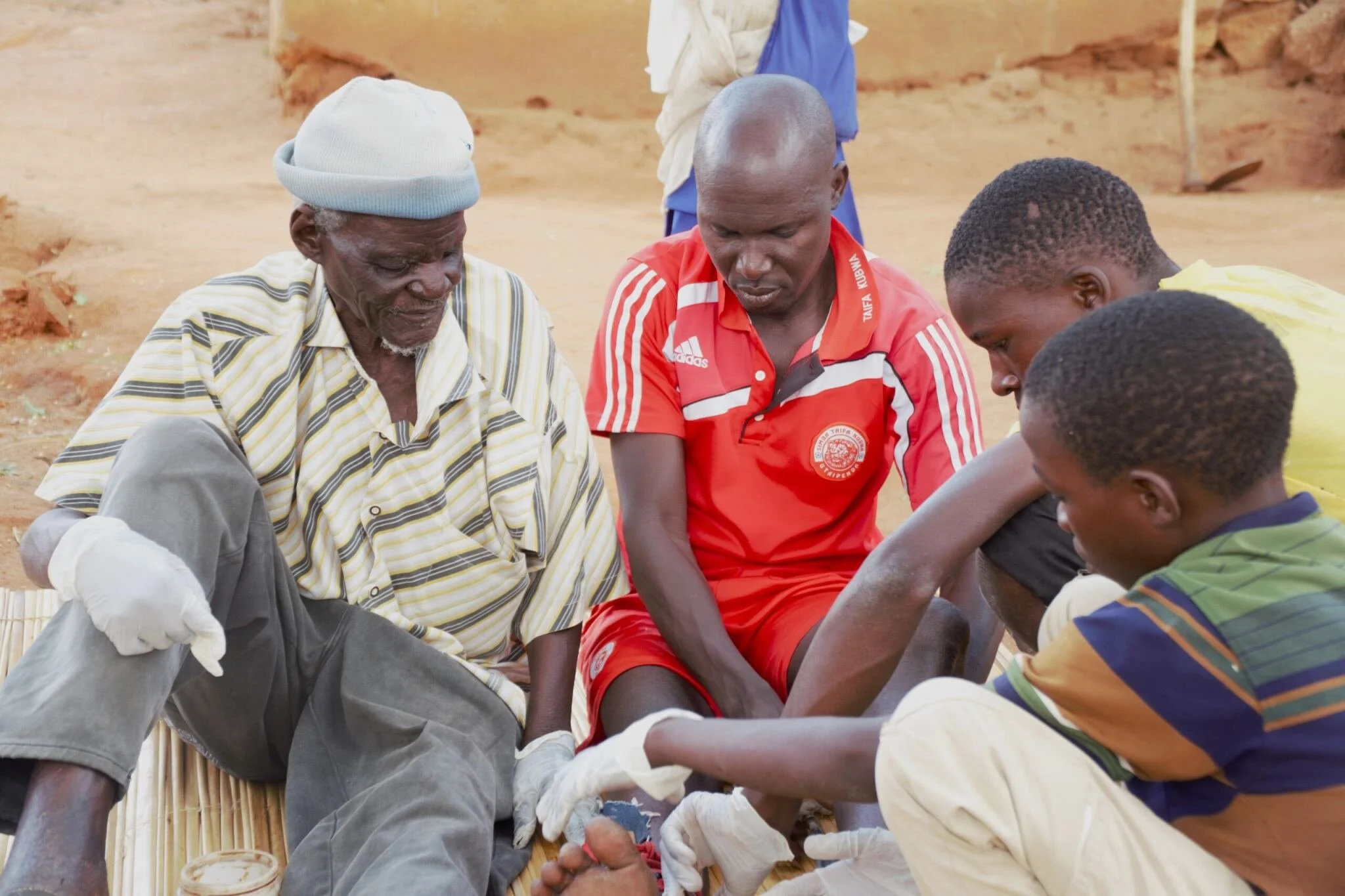
This project challenges the often rigid divide between traditional healers and formal medicine.
New Research Article Available
The new article is titled ‘A pilot study on the acceptability and safety of collaborative triage and treatment with traditional bonesetters for extremity fracture patients: a stepped-wedge, cluster-randomised controlled trial in rural Tanzania’ and was published in BMJ Global Health.
You can read the full article here:
https://gh.bmj.com/content/10/11/e021441
Keep engaged with us!
Donate to support projects like this one through SURGfund
Learn more about this project in Tanzania
Sign up with your email in the footer to receive updates
Keep reading

SURGhub secures its position as the global leader in surgical education, taking home the Gold Title for World’s Best E-Learning Project at the 2025 QS Reimagine Education Awards. Read more