Every Mother, Every Newborn: Uniting Teams for Safer Births in Nepal
How do you make caesarean care safer? By empowering the teams on the ground. This November, the GSF team brought together healthcare professionals in Koshi Province to transform shared leadership into a tangible safety net for mothers and newborns.
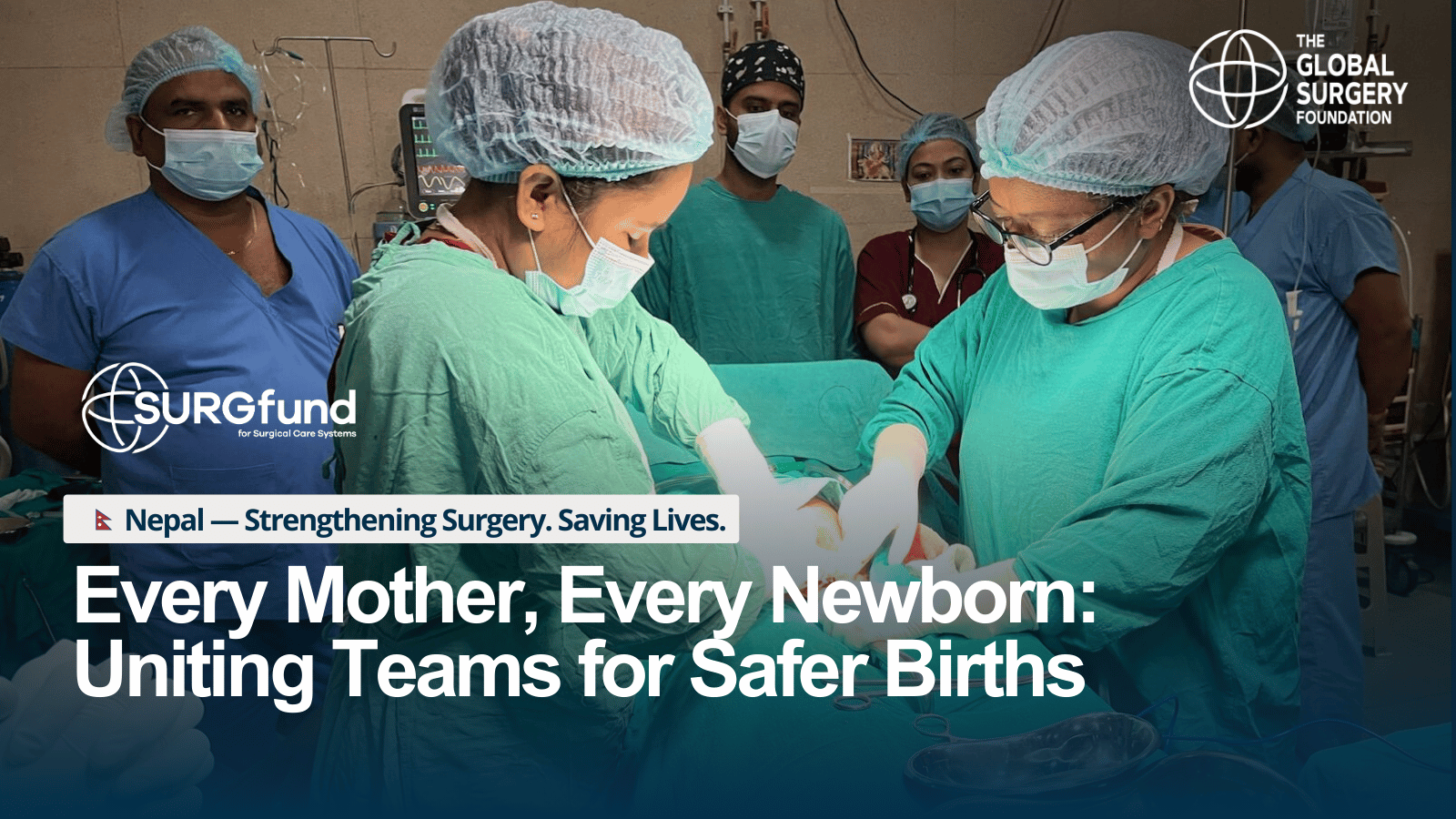
Healthcare professionals in action: Strengthening surgical systems in Nepal to ensure safer births for every mother and newborn - made possible by SURGfund.
In November 2025, the Global Surgery Foundation (GSF) team, in close collaboration with NESOG, conducted the second training with all surgical teams from the 4 participating facilities in the OSSC project in Koshi Province.
The multidisciplinary teams first came together to initiate the journey towards one shared purpose: to make caesarean care safer for mothers and newborns. This second training focused on leadership for safe surgical care, working directly with teams on leadership, and practical quality improvement, not as isolated activities, but as one connected pathway towards stronger, safer surgical systems.

The moment that matters most: A mother shares a peaceful first embrace with her healthy newborn — the ultimate goal of every safe delivery.
A Mission Powered by Surgical Teams
What stood out most was the collective commitment of teams, nurses and obstetricians, anesthesiologists and general practitioners, listening to each other, learning from one another, and believing in the improvements they can drive inside their own institutions. Quality improvement wasn’t something delivered to them. It was something built by them and for mothers and newborns.
Nine months after the first clinical training, 17 participants participated in this 3-day workshop, leading to the definition of a tailored quality improvement plan for key implementation issues of clinical best practices in their facility.
Through participatory approaches, participants shared challenges, compared realities across hospitals, and designed improvement plans together. They defined practical steps each team could enact the moment they returned home.
“The workshop met my expectations as it covered all the topics I was hoping to learn about… it gave me practical insight on how I can apply this in my work setting.”
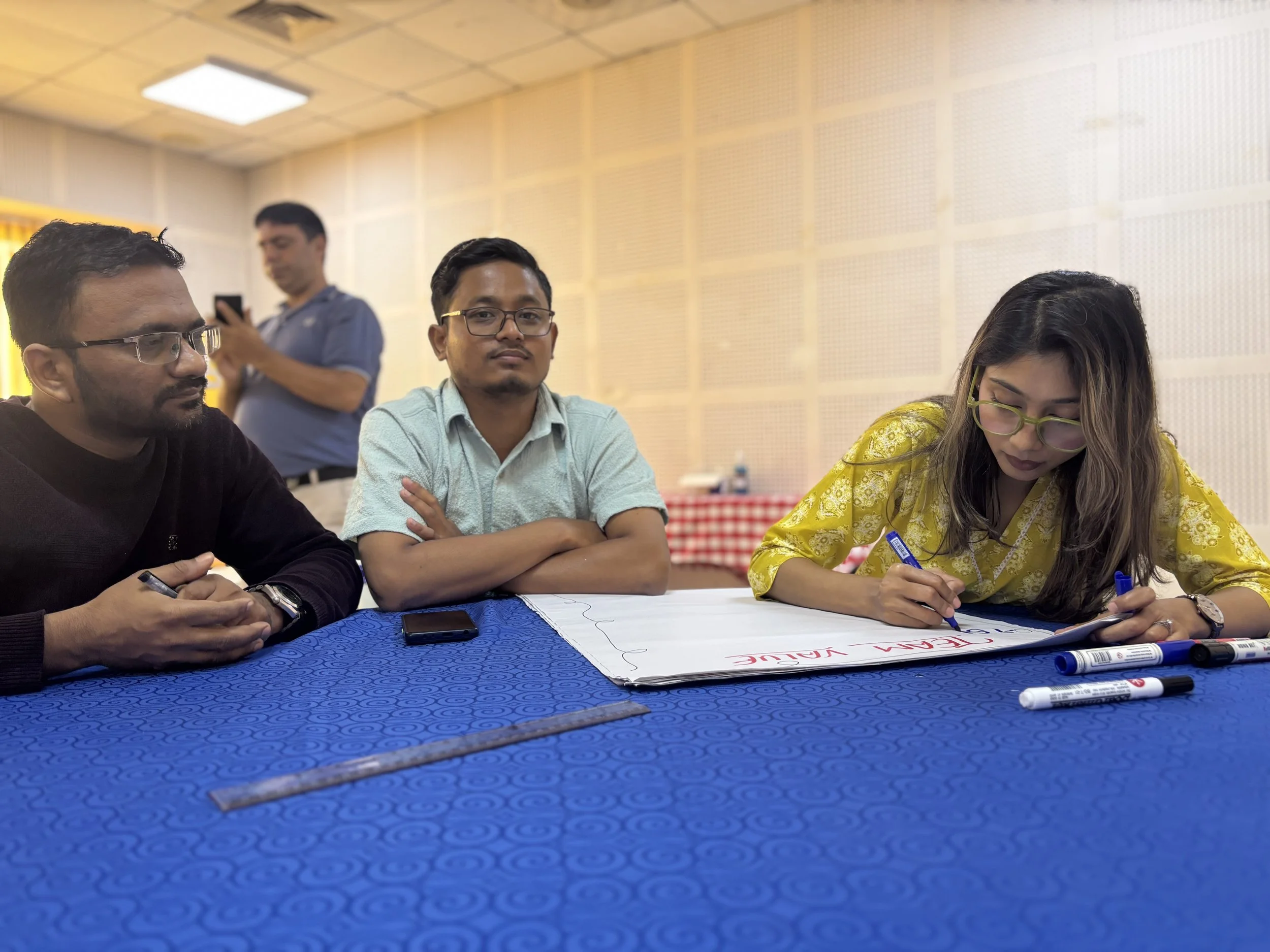
Multidisciplinary teams collaborate during a quality improvement workshop in Koshi Province.
Building a Mentorship Culture
Eleven health care workers from the Koshi and AMDA hospitals stepped forward not as trainees, but as mentors becoming future support pillars for other spoke facilities across the province. During 2-days of workshop, they learned how to tailor mentorship tools to their own contexts.
The mentors teams proceeded to site-visit, completing a self-assessment in their own facilities, with technical support of the GSF and NESOG teams. Mentor teams then worked through an accompaniment lens with other facilities, focusing on three aspects: the women pathway, multidisciplinary team skills, and quality of data for impact.
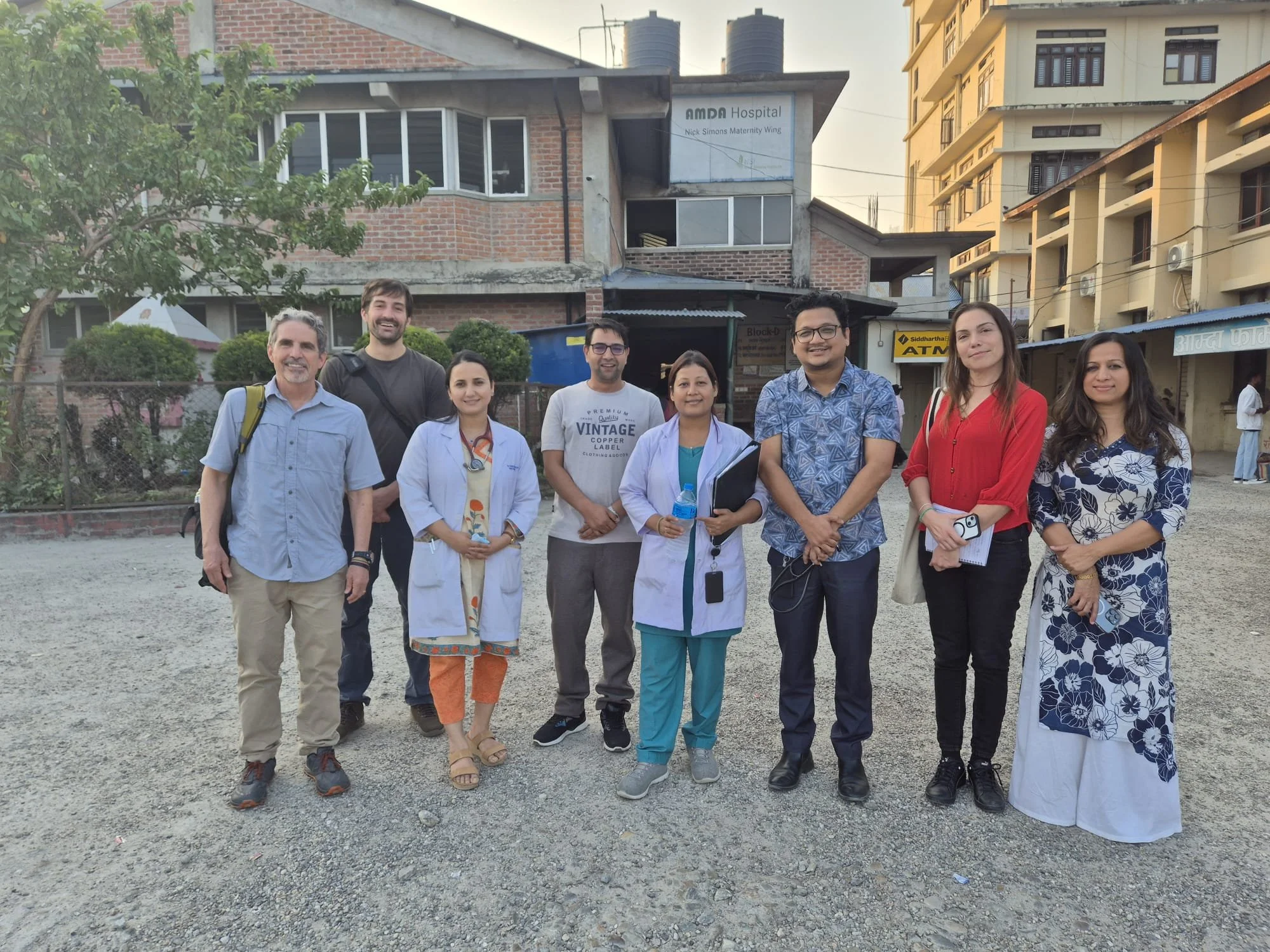
Mentor teams from Koshi and AMDA hospitals and the GSF team gather during a site visit.
Improvement Built Through Partnership
The mission also strengthened collaboration across institutions and at the national level. Academic sessions presented by Dr. John Varallo, Team Lead of Women’s Health at the GSF, hosted by NESOG in Biratnagar and Kathmandu, created space for discussion.
Residents, Ministry representatives and clinical leads connected around one theme: improvement is strongest when it is collective and driven by the patient’s interests.

Participants engage in a national-level academic session on collaborative quality improvement in Biratnagar and Kathmandu.
Steps Ahead, Made possible by SURGfund
In the coming months, the first virtual mentorship reviews will bring the teams back together to share what changed, what worked, and where more support is needed.
New facilities will join the hub and spoke network. Mentors will carry out their first visits independently, a milestone made possible only thanks to the willingness, trust and strong engagement of all teams towards the shared goal of ensuring the best experience of care and outcomes for mothers and their newborns.
Through these activities, GSF and NESOG continue to work toward safer, more effective surgical and obstetric care for mothers and newborns across the region.
Learn more about this project and how you can support our efforts: https://www.globalsurgeryfoundation.org/nepal-ossc
This work is made possible by SURGfund and the Else Kröner-Fresenius-Stiftung
Keep engaged with us!
Donate to support this project
Sign up with your email in the footer to receive updates
Keep reading
Open-access medical education is growing fast, but its effectiveness remains uneven. A new review outlines the main barriers and enablers shaping how these platforms perform, especially in low-resource settings. Read More.