How Local Teams are Transforming Obstetric Surgery in Nepal
Beyond the Checklist: surgical teams in Nepal are redefining the culture of safe and respectful obstetric care for women
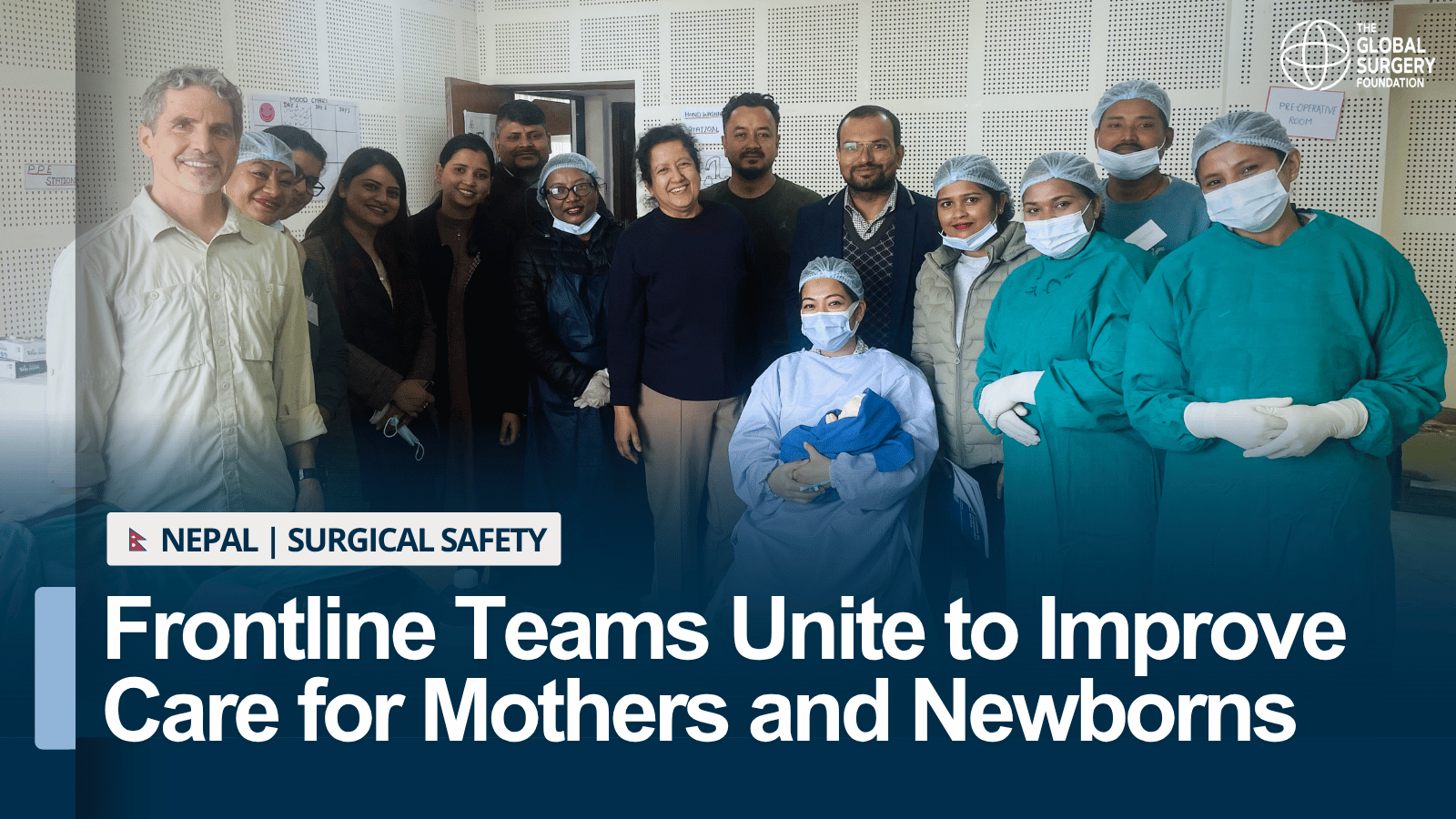
Measurable impact on the frontline: Surgical teams in Nepal celebrate reaching near-universal compliance with the WHO Surgical Safety Checklist to ensure safer caesarean births.
In Koshi Province, Nepal, emergency obstetric surgical care is experiencing a profound and measurable transformation. At the heart of this change is a deeply shared purpose: ensuring that every birth can safely lead to the ultimate goal of a mother’s peaceful first embrace with her healthy newborn.
Prior to the launch of the project “Saving Lives of Mothers and Newborns in Nepal: Optimizing Safe Surgical Care,” the use of the WHO Surgical Safety Checklist in target facilities was at 0%. Today, checklist adoption has reached nearly 100% across all participating hospitals.
This newly established culture of safe and respectful care is even creating a natural "ripple effect" across all other surgical departments beyond obstetrics.
“The newly established culture is creating a ‘ripple effect’ across all other surgical departments”
Measurable Strides Driven by the Frontline
The initiative—implemented jointly by the Global Surgery Foundation (GSF) and the Nepal Society of Obstetrics and Gynaecology (NESOG)—focuses on shifting the narrative from merely increasing access to caesarean sections towards ensuring that the care provided is safe, high quality, and appropriate, addressing the critical balance between underuse, as well as overuse of these procedures.
Importantly, this quality improvement is not something delivered to the frontline workers, but something built by them. Interdisciplinary teams—including nurses, obstetricians, anesthesiologists, and general practitioners—are collaborating and designing tailored improvement plans driven by the patients' best interests.
These clinical milestones were recently documented in an independent progress monitoring report by evaluator Dr. Simon Ganal, which assessed the ongoing project supported by the Else Kröner-Fresenius Stiftung (EKFS) through SURGfund.
“It’s not something delivered to the frontline workers, but something built by them”
Beyond the near-universal adoption of the surgical safety checklist, the project has driven several other critical clinical wins:
Preventing and Managing Major Complications: Clinical teams are demonstrating significantly improved adherence to evidence-based surgical techniques, including enhanced abilities to prevent, recognize early and manage postpartum haemorrhage (PPH)—a leading cause of maternal mortality.
Closing the Postoperative Care Gap: Surgical teams have successfully implemented a standardized postoperative follow-up system. By utilizing phone calls to women who underwent caesarean section on day 10 and day 30 postpartum, teams can now actively track patient recovery and drastically improve the early detection of postoperative infections and ensure mothers and their babies are doing well.
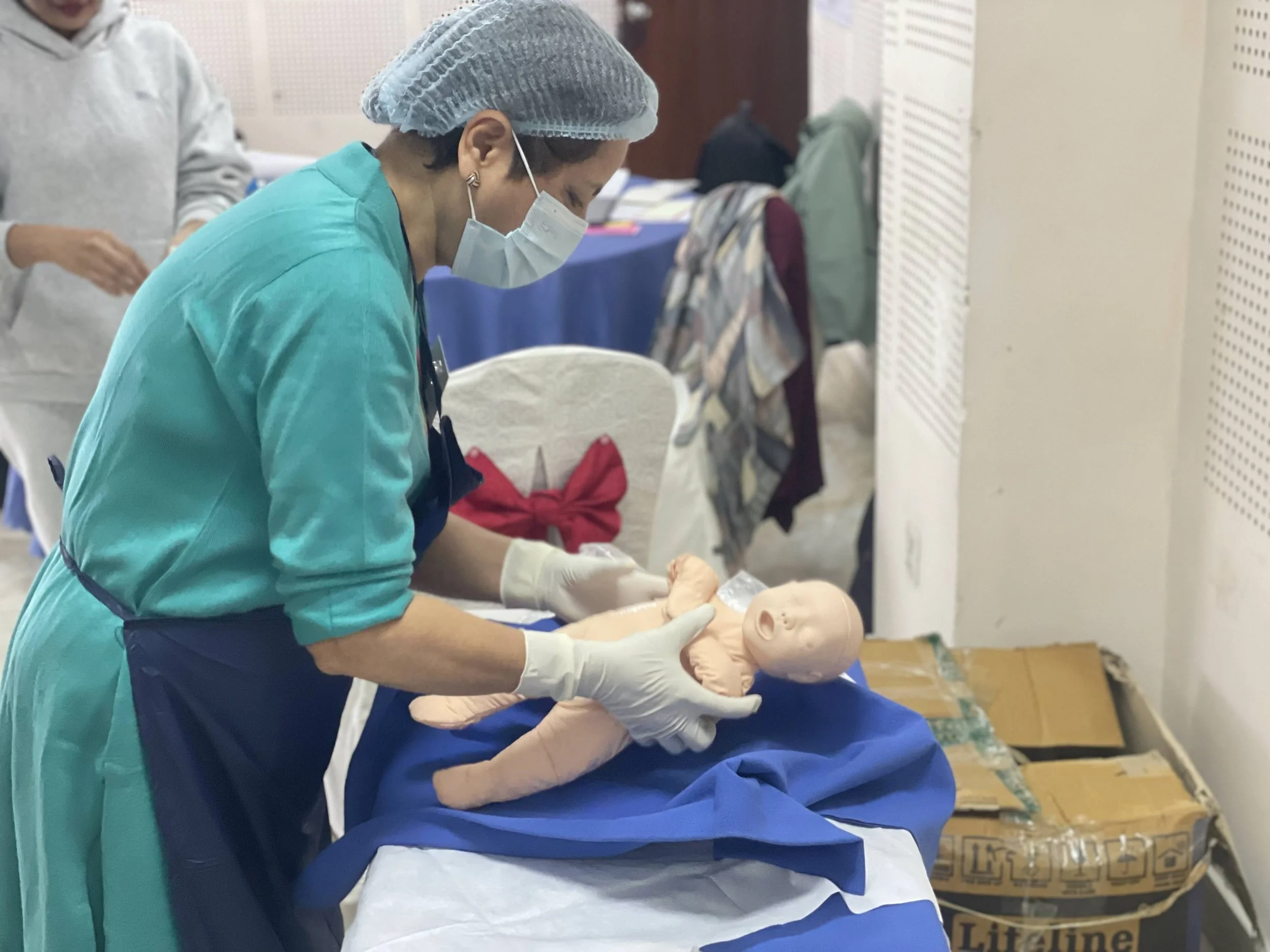
Hands-on neonatal simulation training ensures the best possible outcomes for newborns.
A Mentorship Culture Built on Shared Leadership
The engine behind this transformation is an innovative hub-and-spoke mentorship model. Rather than relying solely on external intervention, healthcare workers from hub hospitals are stepping forward as mentors to become vital support pillars for other facilities across the province. These hub hospitals conduct internal self-assessments and then provide active, ongoing accompaniment to their associated spoke facilities, focusing closely on the woman's pathway and interdisciplinary team skills.
This structure has established a durable network for peer learning, clinical collaboration, and continuous quality improvement across the province. Because of this deep integration within NESOG and the national health system, the model shows immense potential for long-term sustainability.
"True sustainability in global health cannot be imported; it must be built from within," says Dr. Mélanie Samson, Senior Technical Officer at the Global Surgery Foundation. "Our role is not to dictate, but to work alongside these incredible local teams. By empowering them to take the lead and drive their own quality improvement processes, we are seeing a profound shift in surgical culture that will continue to save lives long after this project concludes."
With strong interest from national stakeholders to integrate this safe surgery package into permanent training curricula, the GSF and NESOG are laying the groundwork to scale this replicable model—ensuring lasting improvements in maternal and newborn health across all of Nepal.
“True sustainability in global health cannot be imported; it must be built from within.”
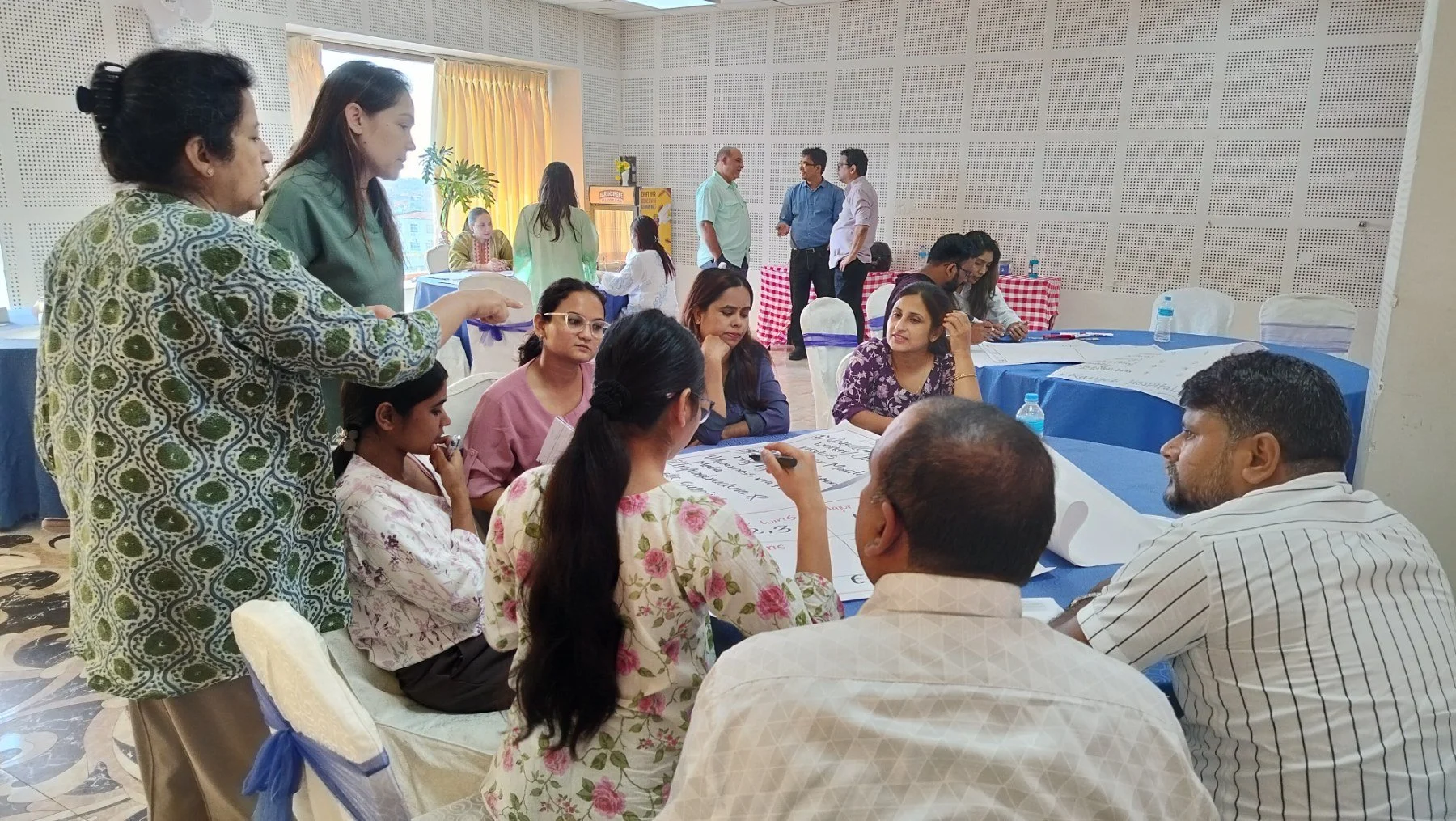
Quality improvement is not something delivered to frontline workers, but something built by them. Local teams in Koshi Province collaborate to drive their own continuous quality improvement plans during the surgical leadership training delivered conjointly with NESOG in November 2025.
About this Project
The Saving Lives of Mothers and Newborns in Nepal: Optimizing Safe Surgical Care project is implemented by the Global Surgery Foundation (GSF) and the Nepal Society of Obstetrics and Gynaecology (NESOG), in coordination with Nepal’s Ministry of Health and Population. The initiative focuses on Koshi Province to reduce maternal and neonatal morbidity and mortality by improving the safety of emergency obstetric surgical care. Through a hub-and-spoke mentorship model, the project empowers local frontline teams to adopt evidence-based clinical practices, the WHO Surgical Safety Checklist, and data-driven quality assurance—ensuring safer caesarean births for every mother and newborn.
About the Funding & Implementation
This project is supported by SURGfund, the pooled financing mechanism of the Global Surgery Foundation (GSF), and the Else Kröner-Fresenius-Stiftung (EKFS). SURGfund is the world’s only pooled catalytic funding mechanism for strengthening surgical care systems. In addition to SURGfund financing, GSF provides strategic implementation support to ensure long-term sustainability.
Keep engaged with us!
Learn more about this project
Donate to support this project
Sign up with your email in the footer to receive updates
Your Next Article
Preparing for the 79th World Health Assembly in Geneva? Access the definitive comprehensive 2026 calendar to track official and independent side events, streamline your itinerary, and connect with global health leaders. Read More