From 18 to 24 November, the World Health Organization and its partners mark World AMR Awareness Week under the theme “One Health, one action: Prevent AMR now”. Surgery depends on antibiotics that work, and safe surgical care can help keep them working.
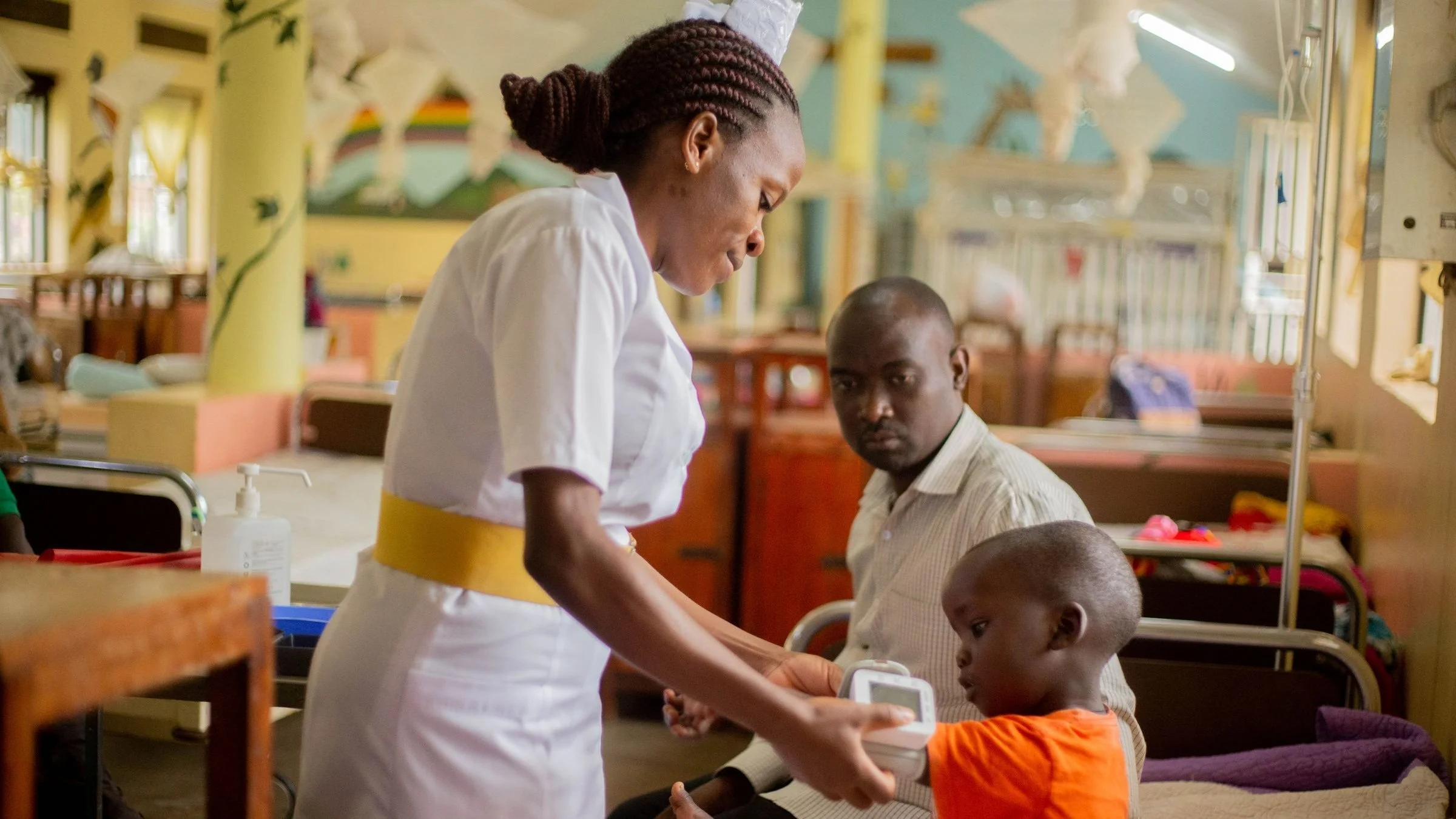
A nurse attending to a young patient on the ward. Photo: Speak Media Uganda / Pexels
What the week marks
World AMR Awareness Week (WAAW) is held every year from 18 to 24 November to raise awareness of antimicrobial resistance (AMR) and to promote action against drug-resistant infections. AMR happens when bacteria, viruses, fungi and parasites no longer respond to the medicines meant to kill them, so infections become harder, or impossible, to treat.
The campaign began in 2015, after countries adopted a global action plan on AMR at the World Health Assembly that year. It is led jointly by four organisations: the Food and Agriculture Organization of the United Nations (FAO), the United Nations Environment Programme (UNEP), WHO and the World Organisation for Animal Health (WOAH).
Why it exists
Bacterial AMR was associated with more than 4.7 million deaths worldwide in 2021, according to WHO. Surveillance data reported to WHO by more than 100 countries show that one in six laboratory-confirmed bacterial infections in 2023 were resistant to antibiotic treatment, and that between 2018 and 2023 resistance rose in over 40% of the combinations of bacteria and antibiotics that WHO monitors. Without urgent action, WHO warns that AMR could cause up to 39 million deaths by 2050.
The 2026 theme
This year’s theme, “One Health, one action: Prevent AMR now”, starts from the idea that the health of people, animals, plants and the environment is closely connected, and that action in one sector affects the others. The campaign asks everyone to play their part, from policymakers and health workers to veterinarians, farmers and community members.
It is the first awareness week since the World Health Assembly adopted an updated Global Action Plan on AMR for 2026 to 2036 in May 2026. The plan puts prevention first, including infection prevention and control and safe water, sanitation and hygiene, and sets global targets that include reducing human deaths associated with bacterial AMR, cutting overall antimicrobial use, particularly in food production, and limiting pollution from resistant microbes and antimicrobial residues.
Why it matters for surgery
Surgery depends on antibiotics that work. They help prevent and treat infection around an operation, and WHO notes that AMR raises the risk of complications of medical procedures such as surgery. Infections of the surgical wound, known as surgical site infections, are already common: in low- and middle-income countries, 11% of patients who undergo surgery are infected in the process.
How safe surgery can help
Safe surgical care is also part of the solution. Preventing surgical site infections means fewer patients need antibiotics to treat them, and WHO notes that every infection prevented reduces the need for and use of antimicrobials, such as antibiotics. That is why WHO calls preventing infections essential to fight the development and spread of AMR.
Simple steps in the operating theatre help prevent these infections: giving preventive antibiotics at the right time before the operation and not continuing them afterwards, keeping the patient warm, using sterile surgical gowns, and clipping rather than shaving hair where the incision will be made.
SURGhub hosts free courses on perioperative care and surgical practice in its Perioperative Care and Surgery categories, as well as courses from the International Committee of the Red Cross.
About this Article
This article links to material published by third parties and summarises it as stated in the source. It is provided for information only, is not clinical guidance, and does not imply endorsement by the Global Surgery Foundation or its project partners. Readers should consult the primary source before acting on the material, which is not routinely updated.
About the Global Surgery Foundation
The Global Surgery Foundation (GSF) is the lead global platform for surgical care systems strengthening. Operating on a UN-incubated, neutral platform, GSF mobilises world-class clinical, policy, and funding expertise to support local leaders in building surgical systems that are efficient, resilient, and sustainable. Through SURGfund — the world's first and only pooled financing mechanism for surgical care — and SURGhub — the UN Global Surgery Learning Hub — GSF is translating catalytic investment into measurable, lifesaving impact across low- and middle-income countries.