
AllAfrica has reported on why investing in safer surgery could save mothers and newborns. The article features partner-led projects in Nigeria, Kenya, and Nepal that work to make caesarean sections safer, with funding and accompaniment from GSF.
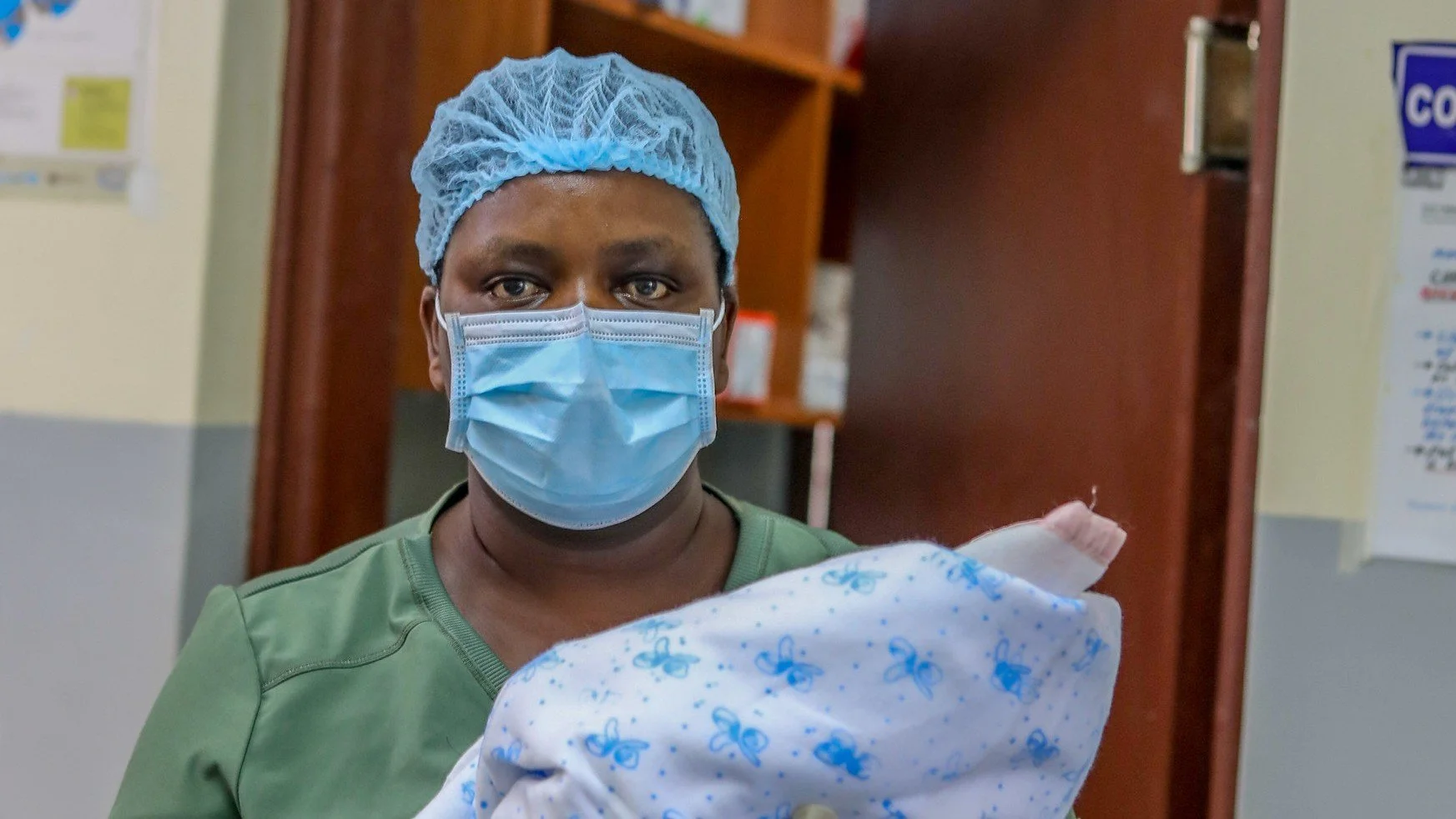
A midwife holds a newborn at Nakuru Provincial General Hospital, Kenya. Photo: Frank Kimaro / Jhpiego Kenya.
The Report
On 25 November 2026, AllAfrica, a pan-African news site that publishes reporting from news organisations across the continent, published a report by Melody Chironda on why investing in safer surgery could save mothers and newborns.
Many maternal deaths can be prevented, the report finds, yet staff shortages, gaps in equipment, and limited access to quality care allow complications to become fatal. Safe caesarean section is one of the largest gaps it describes.
What Safer Surgery Takes
The report argues that safer surgery depends on trained teams, reliable infrastructure, and sustained funding, at a time when funding cuts are putting essential services at risk. Dr Geoff Ibbotson, our Executive Director, told AllAfrica that African governments must take primary responsibility for financing and prioritising surgical care, with external organisations in a supporting role.
“A new operating theatre without a trained team is useless, and sometimes dangerous.”
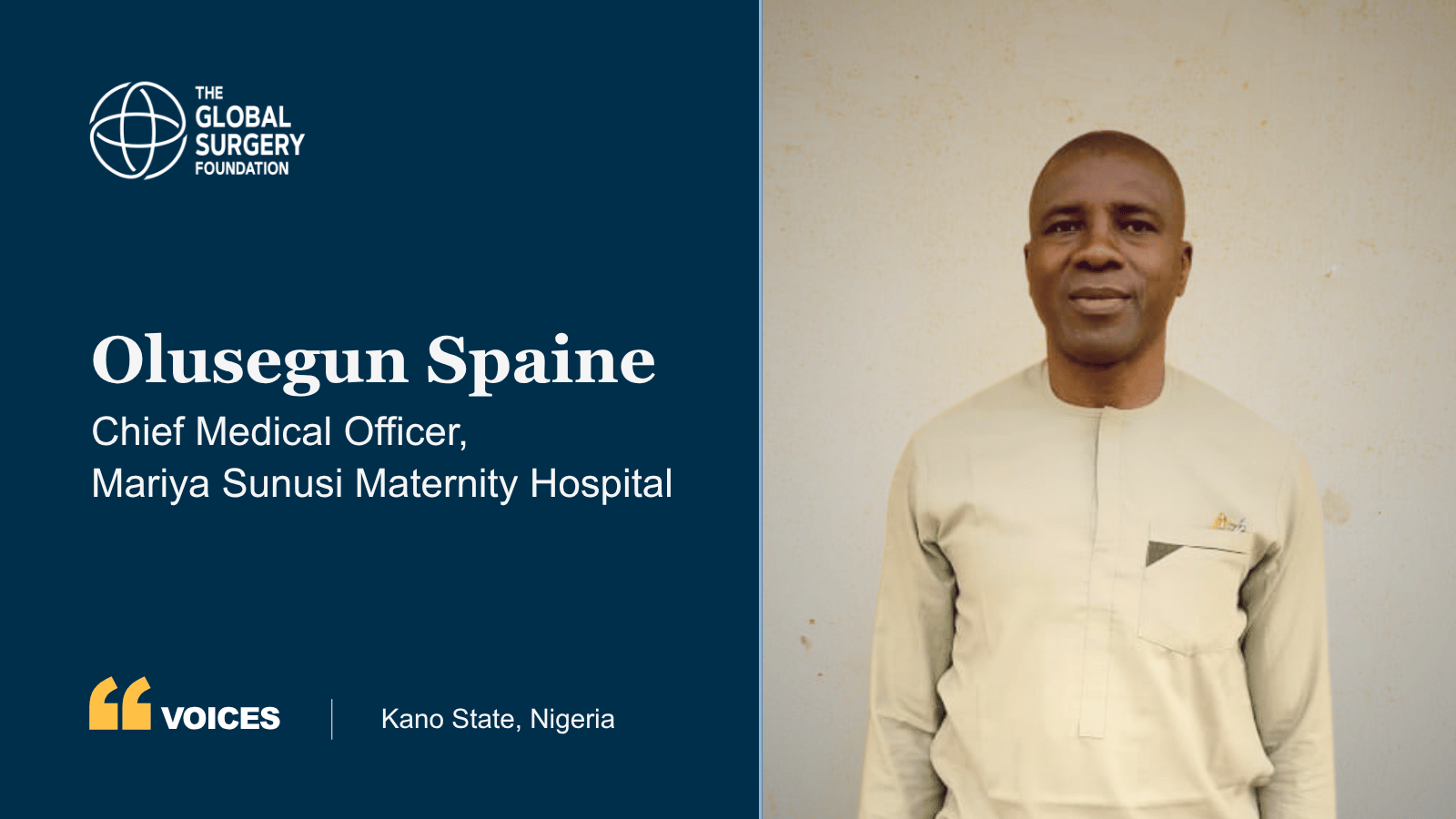
The report also hears from Dr Olusegun Samuel Spaine, Chief Medical Officer at Mariya Sunusi Maternity Hospital in Kano, Nigeria, on what delays and shortages of resources mean for surgical teams, and from one of the funding partners that support this work through SURGfund.
Partner-Led Projects in Nigeria, Kenya, and Nepal
The report features three partner-led projects that work to make caesarean sections safer, with funding and accompaniment from GSF. In Kano State, Nigeria, Making Caesarean Section Safe in Kano is led by ACEPHAP at Bayero University with the Kano State Ministry of Health. Two hub hospitals mentor eight other hospitals, so that skills reach teams far from the main teaching hospitals.
In Nakuru County, Kenya, the report notes, clinicians trained through the project now help train the next group of colleagues. The same approach is in use in Koshi Province, Nepal.
About the Projects
Through its Women’s Health Programme, GSF supports three partner-led projects that work to make caesarean sections safer: in Nakuru County, Kenya; Kano State, Nigeria; and Koshi Province, Nepal. Local and regional partners lead the design and delivery of the work. GSF provides funding through SURGfund and accompaniment, including clinical training, mentorship, and learning through SURGhub.
globalsurgeryfoundation.org/womens-health
Your Next Article
Health workers around the world see where surgical care falls short. In Voices of Global Surgery we highlight their stories. Read Article.