A Need No Surgeon Could Meet Alone
Dr. Andrea Parker moved to Kenya to operate. Today she builds the educational systems that train the surgeons who can.
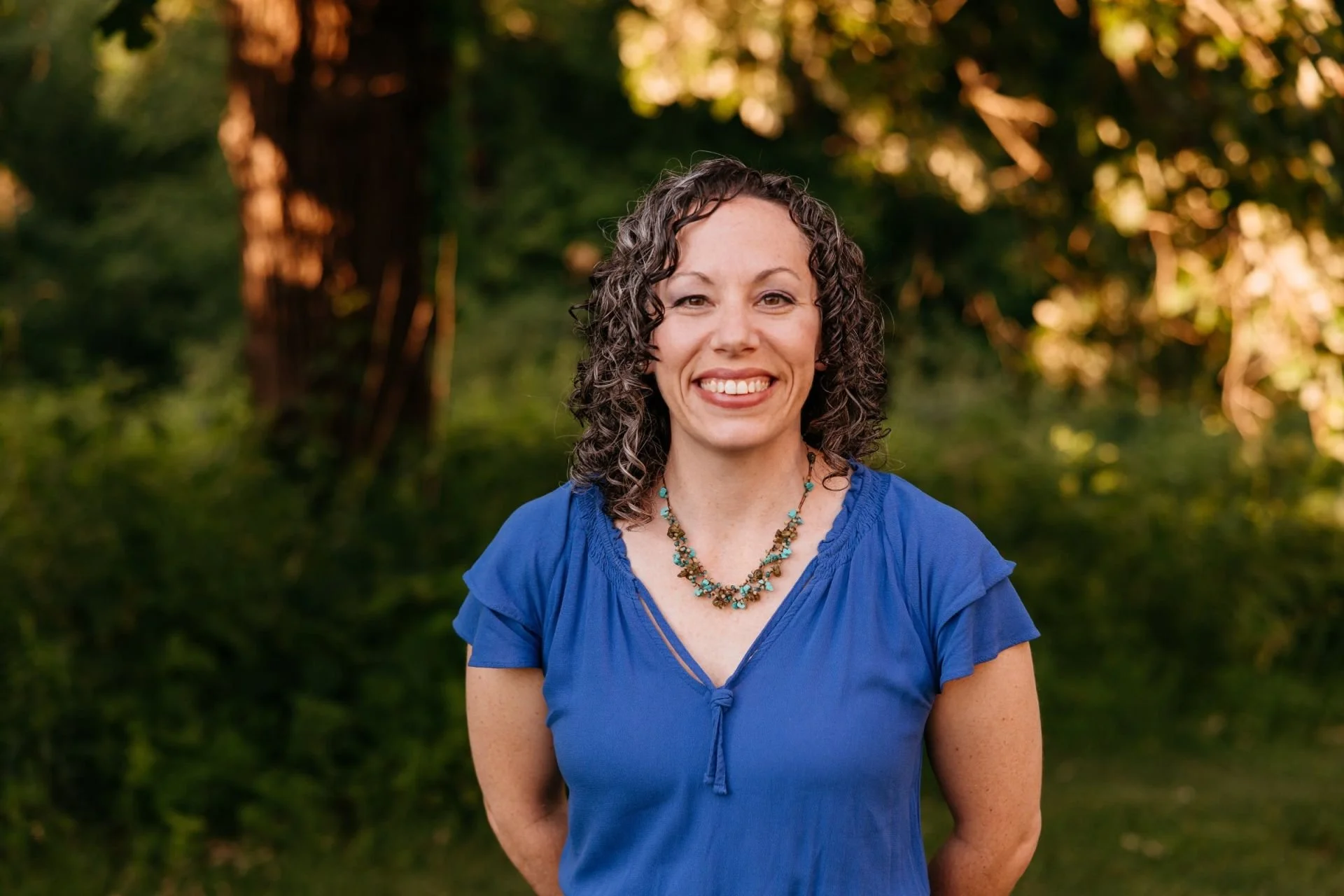
The committees behind SURGhub make sure what the platform teaches is credible and relevant to the people who use it. In this series we highlight their stories.
Dr. Andrea Parker decided to become a physician after a short-term medical service trip in high school. Her interest in global health grew out of that trip and out of her Christian faith. “I was confronted with the consequences of limited access to healthcare in a way I had never experienced before, and, at the same time, became much more aware of the relative privilege and resources I had grown up with,” she says. “I came away wanting to help address that disparity.”
In medical school she expected to work in infectious diseases, “as at the time that was the extent of what I knew about the global health world.” Surgery drew her instead, and with it an understanding of how necessary surgical care is. “I wanted to become a surgeon and use that skill where the need was greatest,” she says. Dr. Paul Farmer’s description of surgery as the “neglected step-child of global health” was, in her words, “validating that the need was great and the potential impact tremendous.”
“The need was far greater than what any individual surgeon could meet”
She moved to Kenya and settled at Tenwek for the long term, and her focus began to change. “Clinical care remained important, but it became obvious that the need was far greater than what any individual surgeon could meet,” she says. She became increasingly involved in residency training, curriculum development, faculty development and research, first locally and then through COSECSA and other regional and international collaborations. “Over time, much of my work has shifted toward building educational systems and resources that can reach far beyond the patients or trainees I personally encounter.”
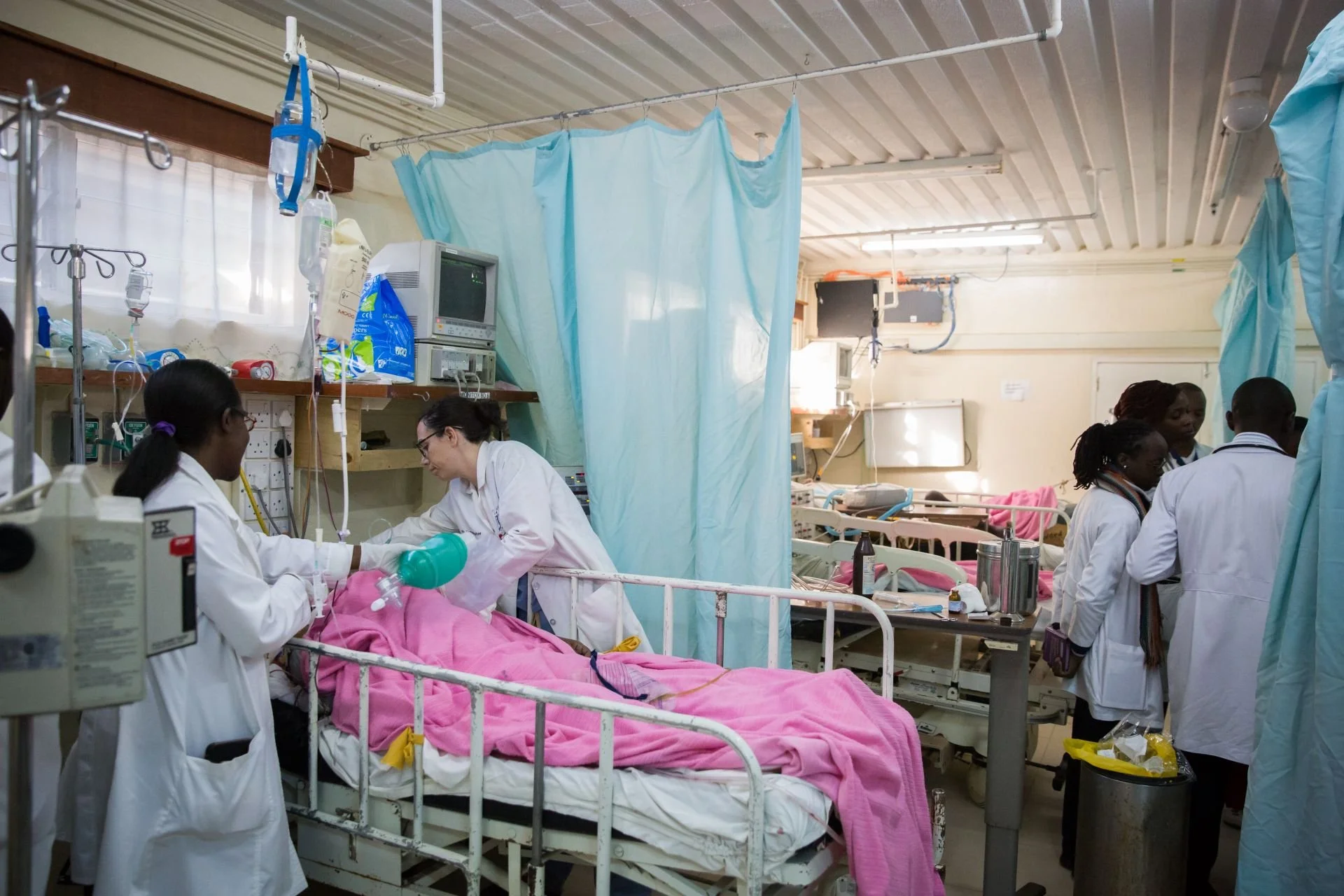
Dr. Andrea Parker at work in the intensive care unit at AGC Tenwek Hospital in Bomet, Kenya.
Today, Dr. Parker is Head of Medical Education and Research at AGC Tenwek Hospital in Bomet, Kenya, and Associate Professor of Surgery at the Warren Alpert Medical School at Brown University. Long-term work in Kenya, she says, showed her that clinical service alone cannot close the gap. “Sustainable improvement requires training more healthcare professionals, strengthening the institutions in which they work, producing locally relevant evidence, and making high-quality education accessible.”
“Access to high-quality surgical education remains very uneven”
SURGhub, she says, addresses a problem that is easy to underestimate. “There is more medical information available than ever before, but access to high-quality surgical education remains very uneven. Much of the best material sits behind paywalls, assumes resources that are not universally available, or was designed around the practice environment of high-income countries.”
In 2018 she was asked to oversee curriculum development for COSECSA, which gave her extensive experience in building contextualised, open-access curricula. What was missing was a way to disseminate them widely. “When I heard about the idea for SURGhub, I immediately saw the gap it filled,” she says.
She has chaired the SURGhub Content Committee since 2023. “What interested me about SURGhub was the opportunity to create a genuinely open-access platform while also asking harder questions about whose knowledge is represented, who creates the content, and whether the material is useful across very different settings,” she says. Her concern as chair is that what goes on the platform is credible, relevant, accessible, and representative of the people who will actually use it.
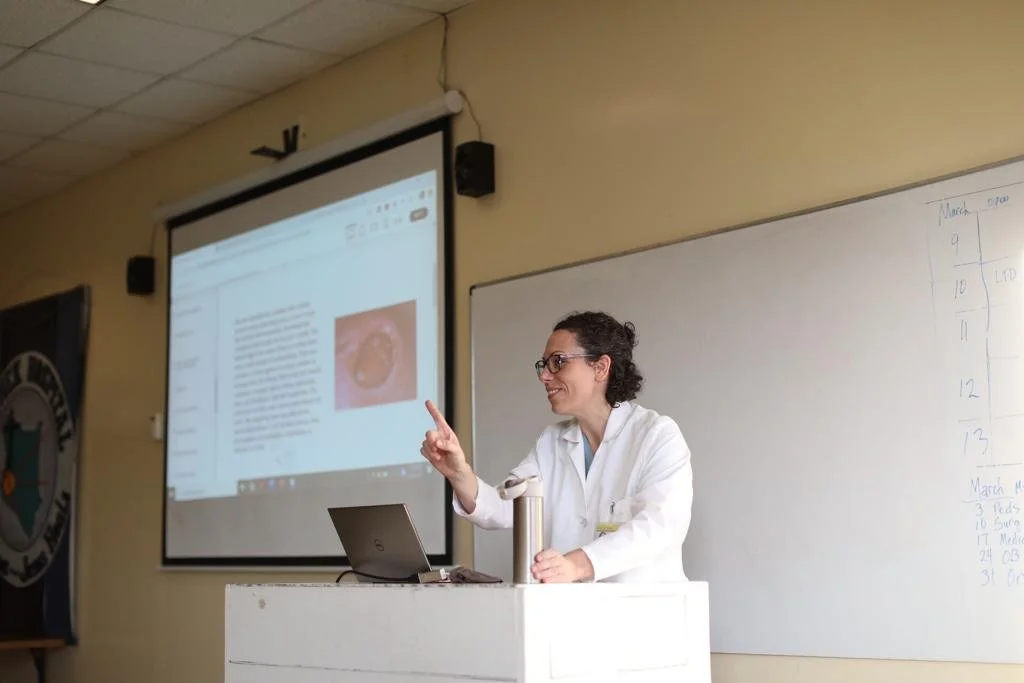
Dr. Andrea Parker is Head of Medical Education and Research at AGC Tenwek Hospital and chair of the SURGhub Content Committee.
“Sometimes it feels as though we are running faster but still losing ground”
One challenge, as she sees it, is scale. “There has been real progress in surgical training across Africa, and there are far more training programmes and African surgeons involved in training than there were a generation ago,” she says. “But the denominator is changing at the same time. Populations are growing rapidly, expectations for healthcare are increasing, and the burden of both emergency and elective surgical disease is enormous. Sometimes it feels as though we are running faster but still losing ground.”
“That means we cannot rely on simply reproducing traditional models of surgical education more quickly. We have to think creatively about solutions to the problems.” She points to shared curricula, faculty development, simulation, digital learning and regional collaboration as ways of increasing training capacity without sacrificing quality.
“Genuine investment in African institutions”
Asked what she would change tomorrow, she says: “If I could change one thing, it would probably be the long history of extraction that has shaped the relationship between Africa and wealthier parts of the world. Africa has experienced the extraction of natural resources, human capital, and expertise for generations, and some of these patterns remain evident in healthcare and academia today.”
“In global health, we still sometimes see knowledge, data, research opportunities, and talented health professionals emigrate, while relatively little durable capacity is left behind,” she says. “I would like to see that direction reversed. This would look like genuine investment in African institutions, African educators and researchers setting the agenda, locally generated knowledge being valued internationally, and partnerships judged partly by what remains after the outside partner leaves.”
“Lasting impact usually comes not from what one person accomplishes, but from the people and systems they help strengthen”
“I would tell someone starting out to find work they genuinely enjoy and then work hard to do it well,” she says. “I would encourage people to invest in relationships. Find good mentors, work with people you respect, and spend time developing others. Particularly in global surgery, listen carefully before deciding on the solution. There are way too many people who come into this field convinced they’ve figured out the answers and just need others to get on board.”
“The longer I have done this work,” she says, “the more I have realised that lasting impact usually comes not from what one person accomplishes, but from the people and systems they help strengthen.”
Andrea’s Top Course
Surgical Foundations
Topic: Basic Surgery, Postgraduate Core Training
Description: A comprehensive 22-month curriculum covering the foundational basic science principles of surgery.
“It is contextualised for the COSECSA region, incorporates best educational practices, and improves learning outcomes.”
– Dr. Andrea Parker

About this Story
This profile is part of our Committee Member Stories series, which highlights the members of the committees behind SURGhub. Our mission is to ensure that high-quality surgical education is a bridge—not a barrier—to saving lives worldwide.
The views and opinions expressed in this article are those of the interviewee and do not necessarily reflect the official policy, position, or standpoint of SURGhub or its partner organisations.
About SURGhub
The United Nations Global Surgery Learning Hub (SURGhub) is the premier training platform in global surgical care. A joint initiative of the Global Surgery Foundation (GSF) and the United Nations Institute for Training and Research (UNITAR), supported by the Royal College of Surgeons in Ireland (RCSI) and implemented in association with the Johnson & Johnson Foundation, SURGhub provides seamless access to quality-assured online courses for frontline surgical care workers in resource-limited settings worldwide. With tens of thousands of learners across over 200 countries and territories, SURGhub is transforming access to lifesaving surgical education.
Your Next Article
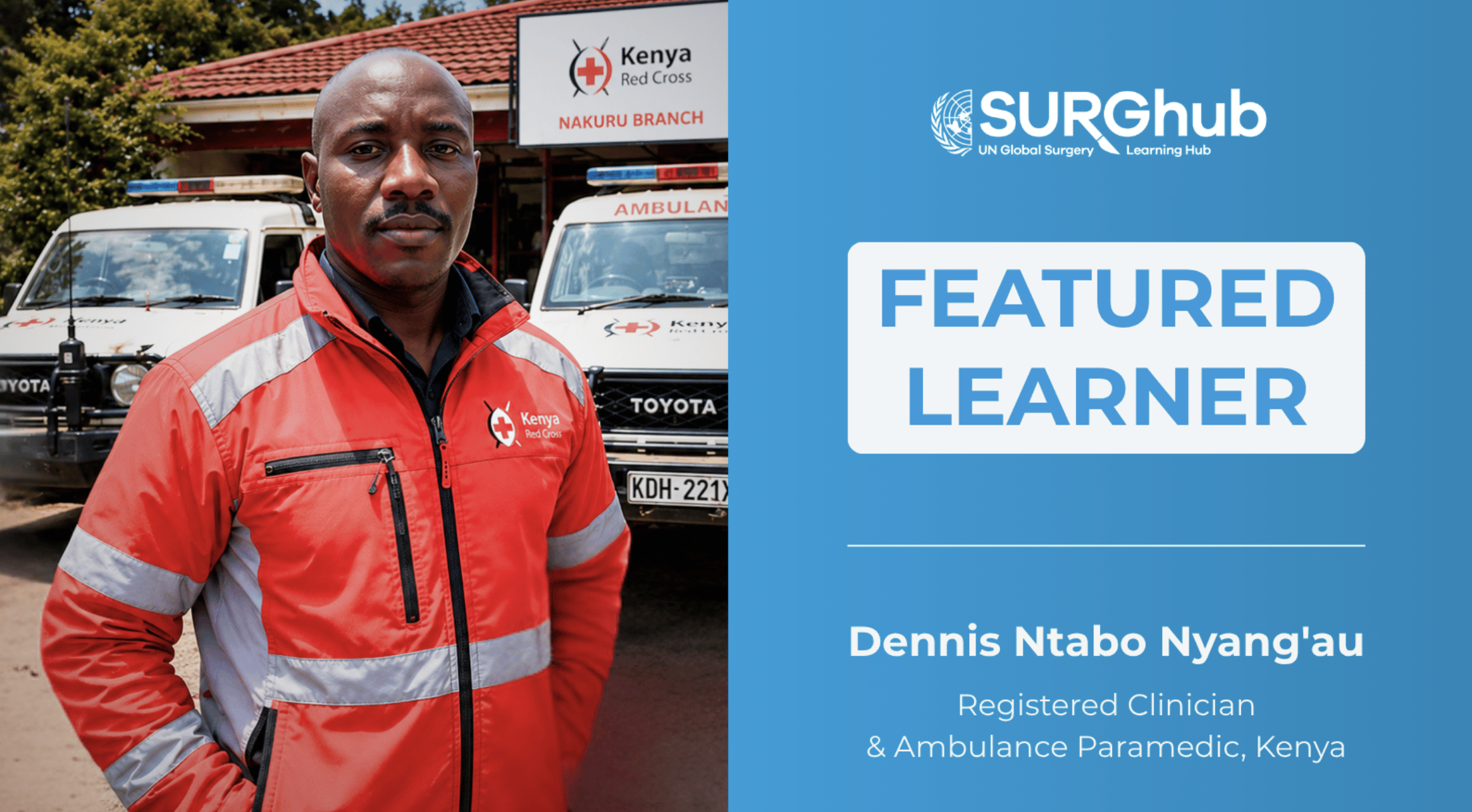
From the frontlines of emergency care in Nakuru, Mr Dennis Ntabo Nyang'au shares how systematic clinical training provides a vital framework for saving lives in Kenya’s most unpredictable environments. Read article.