180 Years of Anaesthesia, Along the Patient Pathway
On 16 October, anaesthesia teams around the world mark World Anaesthesia Day, 180 years after the first public demonstration of ether anaesthesia. This year’s campaign looks at the part anaesthesiologists play in a patient’s care before, during and long after an operation.
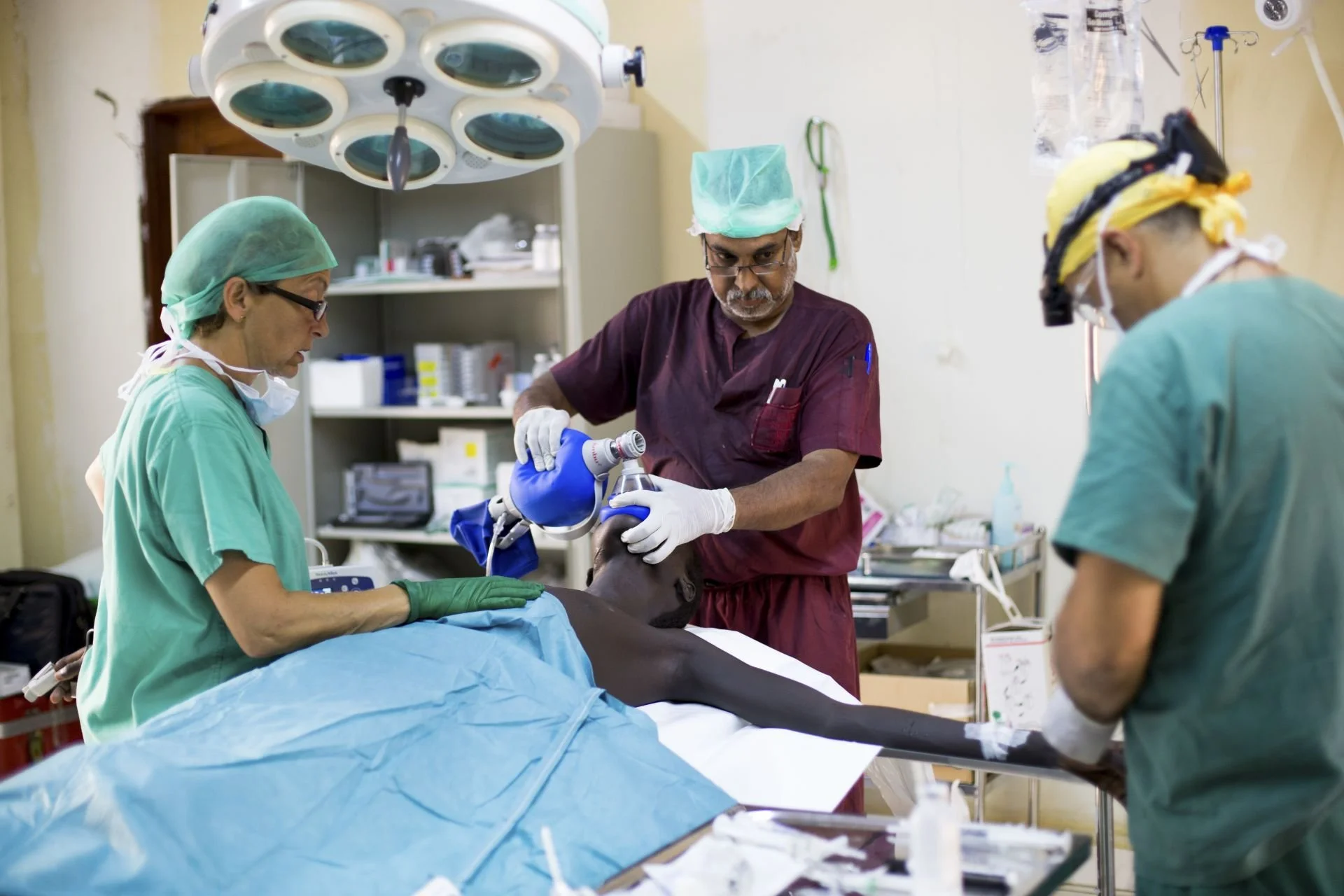
South Sudan, Ganyiel village, ICRC field base. An ICRC mobile surgical team is operating a patient. Photo: Mari Aftret Mortvedt / © ICRC
What the day marks
World Anaesthesia Day commemorates 16 October 1846. On that day, at Massachusetts General Hospital in Boston, dentist William T. G. Morton gave ether to a patient, Gilbert Abbott, while surgeon John Collins Warren removed a small tumour from his neck. It was the first successful public demonstration of ether as an anaesthetic, and it showed that patients could undergo surgery without the pain that had come with it until then.
Why it matters
Anaesthesia is a core part of surgical care. Without trained anaesthesia providers, many operations cannot go ahead safely. Yet an estimated five billion people lack access to safe, affordable surgical and anaesthesia care when they need it, according to the Lancet Commission on Global Surgery. In 2015, the World Health Assembly adopted resolution WHA68.15, which calls on countries to strengthen emergency and essential surgical care and anaesthesia as part of universal health coverage.
Much of the gap comes down to people. The Global Anesthesia Workforce Survey, first run by the World Federation of Societies of Anaesthesiologists (WFSA) in 2016 and updated in 2024 with data from 172 of the 193 UN member states, counted almost 670,000 anaesthesia providers worldwide, or 8.8 per 100,000 people. They are unevenly spread. High-income countries had 16 certified physician anaesthesia providers per 100,000 people, compared with 0.3 in low-income countries, and more than 70 countries had fewer than five physician anaesthesia providers per 100,000 people.
The 2026 focus: along the patient pathway
This year’s theme, set by the WFSA, is “Anaesthesiology Along the Patient Pathway”, with the tagline “With You Every Step”. It starts from the point that anaesthesiologists support patients throughout their journey, from their first contact with health care through treatment, recovery and beyond. On 16 October, the WFSA is marking the day with a 12-hour webinar marathon of five live sessions, including dedicated Spanish and French tracks, and a campaign toolkit under the hashtag #WAD2026.
The theme is also the WFSA Presidential Theme for 2026 to 2028, so it will continue through webinars, congress sessions and educational resources after 16 October. The WFSA groups the work into four stages:
Before the hospital: emergency care before a patient reaches hospital, safe transport of seriously ill patients, and helping patients get fitter ahead of surgery.
Inside the hospital: specialist anaesthesia services, leadership on patient safety, care tailored to the individual, and measuring results as patients themselves report them.
Beyond the operating theatre: anaesthesia for procedures carried out elsewhere in the hospital, day surgery, intensive care, short-term pain relief and rapid response teams.
After discharge: support for people living with long-term pain, and palliative and end-of-life care.
How the campaign has changed
The WFSA uses World Anaesthesia Day to build political support for anaesthesia, inform the public and recognise the work of the global anaesthesia community. In recent years, each campaign has carried its own theme: resuscitation in 2019, run with World Restart a Heart Day; the occupational wellbeing of anaesthesiologists in 2020; teamwork in 2021; medication safety in 2022; anaesthesia and cancer care in 2023; workforce wellbeing in 2024; and anaesthesiology in health emergencies in 2025.
Over that period, the focus has moved between patient safety, the people who provide anaesthesia, and the place of anaesthesia in wider health care. This year’s campaign breaks with the one-year pattern, opening a theme set to run from 2026 to 2028.
Learn more on SURGhub
SURGhub hosts courses from the WFSA and the American Society of Anesthesiologists, and a dedicated anaesthesia category bringing together courses from across the platform.
About SURGhub
The United Nations Global Surgery Learning Hub (SURGhub) is the premier training platform in global surgical care. A joint initiative of the Global Surgery Foundation (GSF) and the United Nations Institute for Training and Research (UNITAR), supported by the Royal College of Surgeons in Ireland (RCSI) and implemented in association with the Johnson & Johnson Foundation, SURGhub provides seamless access to quality-assured online courses for frontline surgical care workers in resource-limited settings worldwide. With tens of thousands of learners across over 200 countries and territories, SURGhub is transforming access to lifesaving surgical education.
Your Next Article
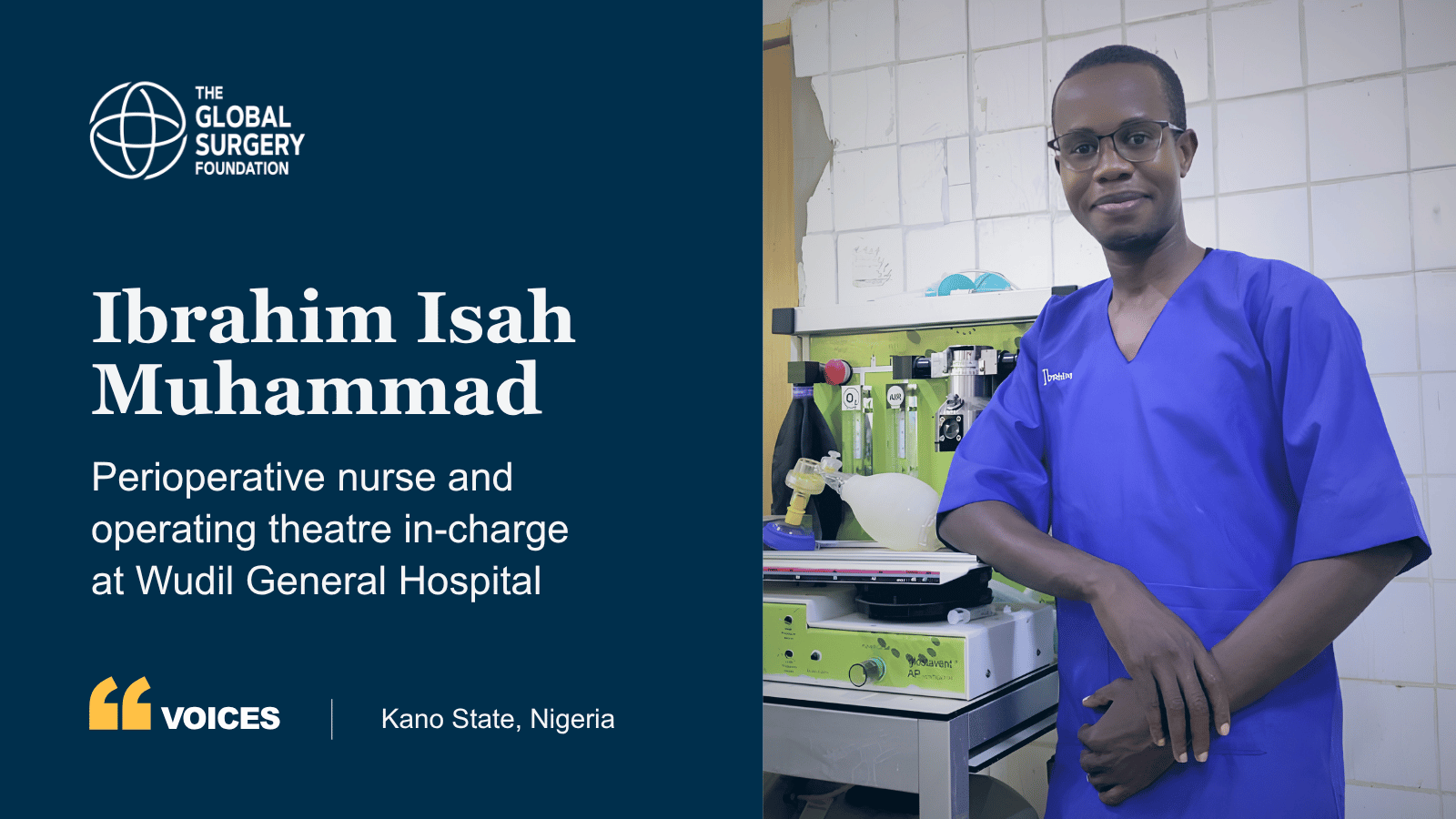
Health workers around the world see where surgical care falls short. In Voices of Global Surgery we highlight their stories. Read Article.