Driven by the Community: SURGhub Surpasses 50,000 Learners
By the community. For the community. SURGhub has surpassed 50,000 registered learners — propelled by professionals championing access to world-class surgical education. We speak with three of them here.
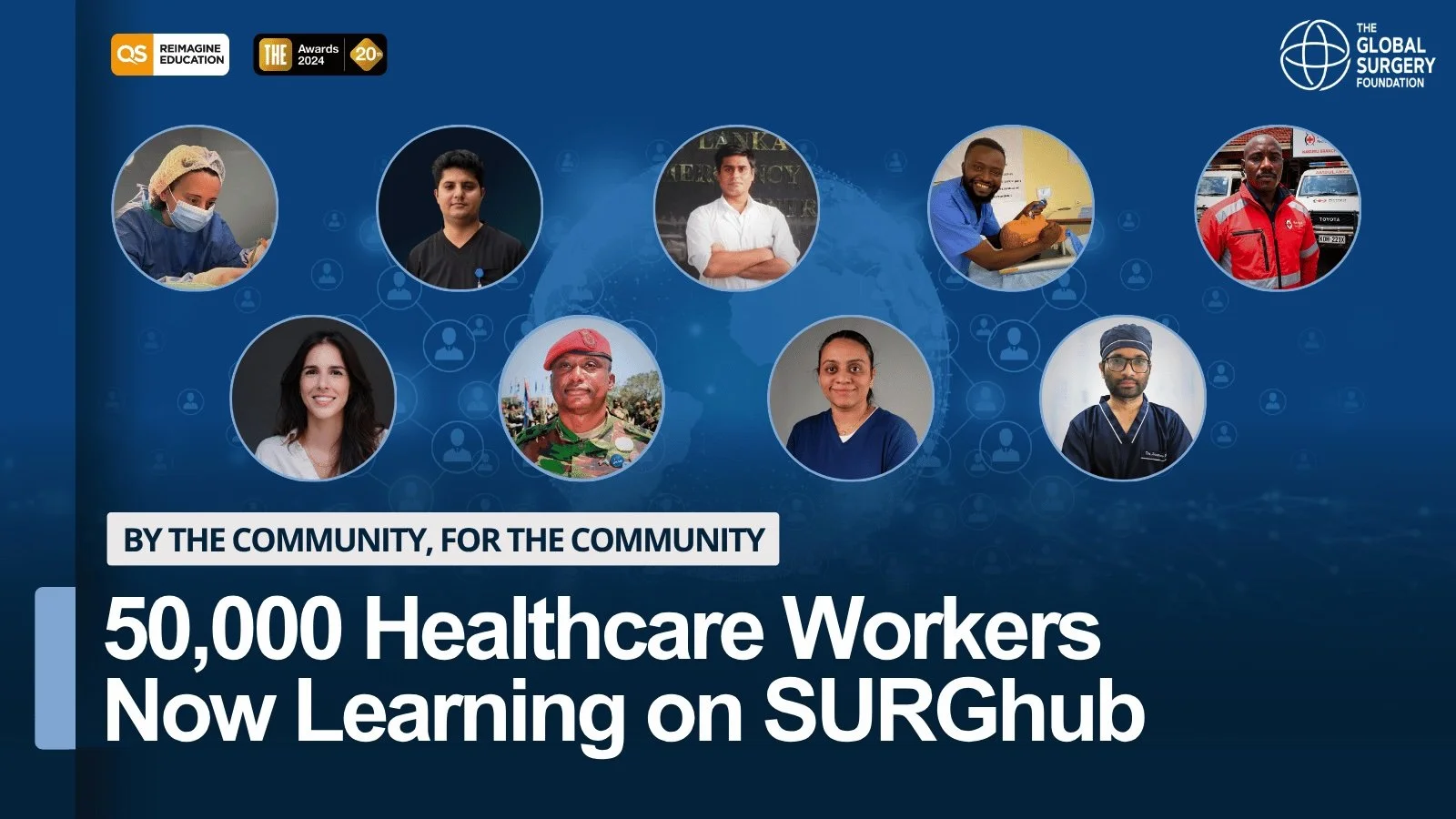
SURGhub celebrates an important milestone as over 50,000 healthcare professionals worldwide join the UN-backed platform for surgical training.
A platform built by those who use it
Geneva, Switzerland — SURGhub has surpassed 50,000 registered learners. The milestone reflects a clear principle that has shaped the platform since its inception: SURGhub is a digital platform developed for the global surgical community, by the global surgical community.
“For the community, by the community”
Addressing the profound deficit in safe, timely surgical care globally requires a sustained, collaborative commitment to equipping frontline healthcare workforces with world-class clinical expertise.
SURGhub is built on this premise — rooted in the community, and driven by it. The platform integrates educational content from more than 30 institutional partners, alongside the dedication of over 300 individuals supporting the project directly as volunteers, committee members, and peer reviewers.
An important element of this community-based model is a structured network of global SURGhub Ambassadors. In anticipation of the 79th World Health Assembly, we launched a strategic initiative to accelerate outreach to healthcare workers worldwide through the SURGhub Ambassador Programme — a mobilisation that has helped bring the platform past the 50,000 mark.
“We spoke with three SURGhub Ambassadors helping drive the movement”
In this article, we highlight three Ambassadors who have played a particularly strong role during the World Health Assembly period. We spoke with them to understand their motivations, the educational gaps within their local contexts, and the outreach approaches that helped them connect SURGhub with their communities.
Three Ambassadors. Three Continents. One Shared Conviction.
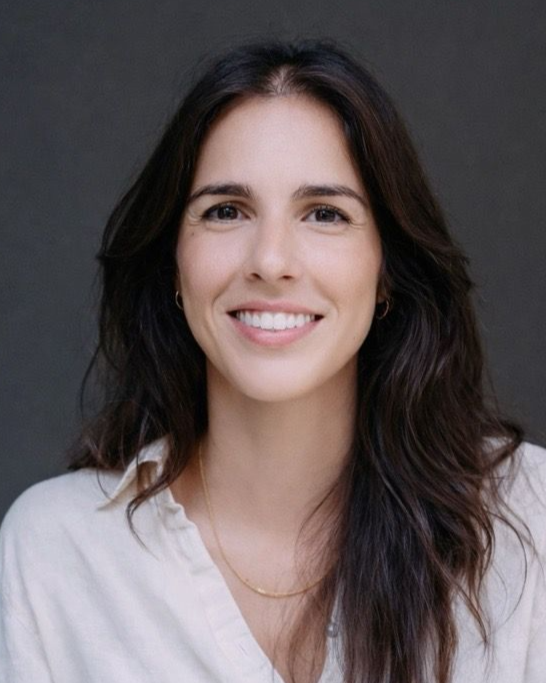
🇬🇳 Ana Filipa Coelho, Program Officer for Mercy Ships in Guinea
Learner Story #1
Talent is Universal. Opportunity is Not
As a Program Officer for Mercy Ships in Guinea, Ana Filipa Coelho works on health professions education and workforce development across several African countries. She joined the Ambassador programme after witnessing daily how "the lack of trained health professionals directly affects patients' lives and access to safe care".
In many low-resource contexts, the educational gap is systemic. Training institutions face limited infrastructure, a scarcity of faculty, insufficient simulation opportunities, and restricted access to updated instructional materials.
“Access to education should not depend on geography or financial privilege”
As a result, many medical professionals are forced to seek specialisation abroad — a path that "is financially and logistically difficult, and can contribute to workforce migration".
In her outreach, Ana Filipa focused on practical utility rather than general promotion, framing access to high-quality educational materials as a fundamental right: "access to education should not depend on geography or financial privilege".
By introducing SURGhub directly into the academic and clinical settings where professionals were already seeking knowledge, she built immediate trust — amplified by Professor Joseph Donamou, who actively encouraged his anaesthesia students to integrate SURGhub into their continuing professional development.
“Talent is universal, but opportunity is not”
Ana Filipa's background as a dentist shapes her advocacy. She notes that oral health is "frequently overlooked in global surgery conversations, despite the reality that untreated oral diseases profoundly impact systemic health, nutrition, and wellbeing".
Her experience across West African institutions has shown her both the challenges and the extraordinary potential within local facilities — reinforcing her conviction that "talent is universal, but opportunity is not". Sustainable progress, she believes, comes from moving away from short-term interventions and focusing on local priorities — to "strengthen health systems through people, for people".
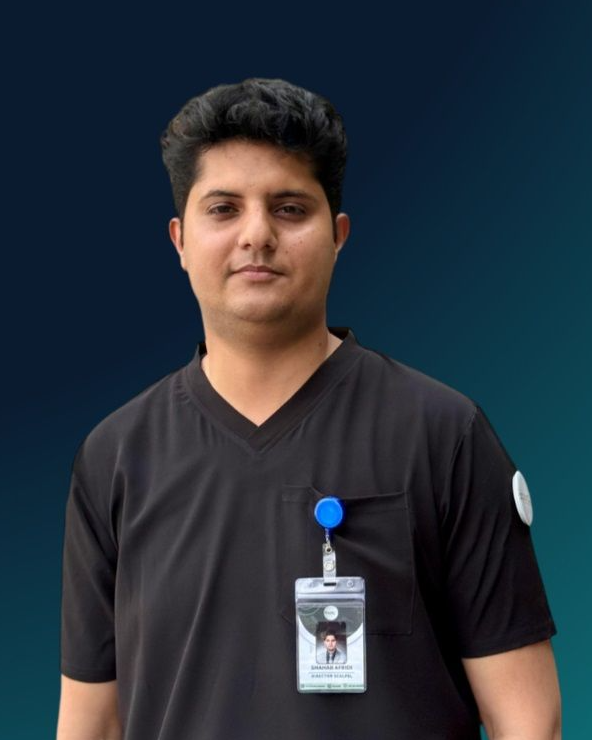
🇵🇰 Shahab Afridi, recent Medical Graduate in Pakistan
Learner Story #2
Top-tier Tools, Straight to the Ward
A recent medical graduate from Ayub Medical College in Pakistan, Shahab Afridi saw an acute disparity between the structured, globally validated educational resources available in major metropolitan centres and those accessible to regional trainees. As founder of Scalpel, a local organisation dedicated to hands-on surgical skills development, he sees SURGhub as the digital mechanism to "bridge that gap and bring top-tier educational tools right to our wards in Pakistan".
“SURGhub brings top-tier educational tools right to our wards in Pakistan”
Pakistan's healthcare system carries an immense patient volume alongside a pronounced divide between well-funded urban hospitals and under-resourced rural clinics. High clinical workloads frequently push trainees into survival mode rather than structured learning. Because local training relies heavily on traditional apprenticeship models, educational quality depends on the availability of often-overworked senior consultants.
Without high-quality digital alternatives, Afridi says trainees encounter frustrating professional plateaus that "slow down the adoption of newer, evidence-based practices like advanced laparoscopy".
Afridi's approach shifted away from abstract pitches. At the Scalpel Surgery Summit in Abbottabad, he showed attendees how specific SURGhub modules could directly help them pass clinical examinations and master fundamental techniques. He notes that providing students with physical tools is insufficient if they "didn't have reliable, standardised videos showing them proper tissue handling to review beforehand"
“While they cannot always control their hospital rotations, they can absolutely control what they learn on their phones”
By connecting the platform to the daily academic and clinical challenges faced by local trainees, his approach proved highly effective. Emphasising autonomy in learning, Afridi demonstrated to his peers that "while they cannot always control their hospital rotations, they can absolutely control what they learn on their phones".
Showing tangible value for daily ward work was the primary catalyst for user registration — proving that true advocacy requires active peer mentorship, not simply sharing a link.
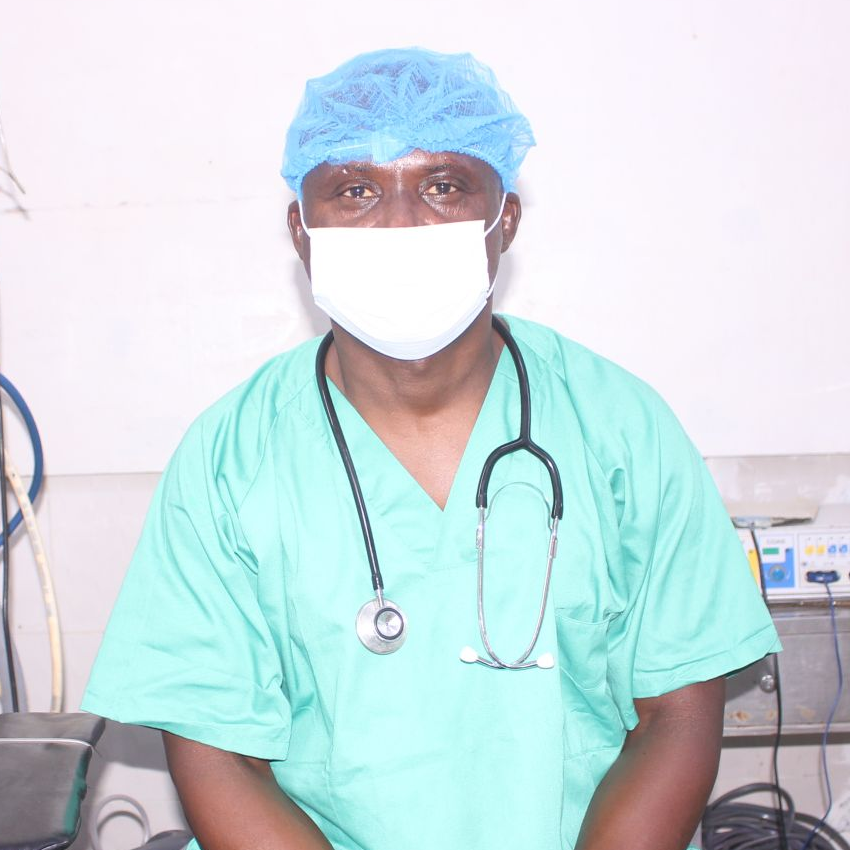
🇸🇱 Sheku Dennis Massaquoi, General Surgeon in Sierra Leone
Learner Story #3
Not to Displace, but to Enhance
Lieutenant Colonel Sheku Dennis Massaquoi is a General Surgeon in the Republic of Sierra Leone Armed Forces, an Accreditation Committee Member of the Medical and Dental Council of Sierra Leone, and a member of the Technical Working Group for the nation's social health insurance scheme.
With thirteen years of clinical practice behind him, his work reflects a long-term commitment to frontline healthcare workers — viewing accessible surgical education as a way to "empower frontline healthcare workers and contribute to strengthening our surgical system".
Surgical training in Sierra Leone is gradually expanding through postgraduate medical degrees, international partnerships, and task-sharing programmes for associate clinicians. These initiatives aim to bridge the severe shortage of surgical specialists, particularly in rural districts where "maternal and emergency needs are highest".
“SURGhub is not here to displace them from their routine, but rather to enhance efficiency and outreach”
Massaquoi's mobilisation strategy combined digital dissemination across professional military and medical forums with targeted, formal visits to the leadership of medical and nursing training institutions.
In these engagements, he framed SURGhub as a supportive intervention — consistently emphasising that the platform "is not here to displace existing routines, but to enhance efficiency and outreach"
“The platform serves to strengthen local curricula”
This alignment helped reassure administrators that SURGhub serves to strengthen local curricula and "promotes lifelong learning opportunities for all — in line with Sustainable Development Goal 4."
Reaching 100,000 Healthcare Workers Together
The Ambassador Programme is one expression of SURGhub's defining ethos: by the community, for the community. Grounded in that shared framework, our next milestone is clear — 100,000 healthcare workers by the end of the year.
Not yet part of the community? Join 50,000 of your global peers. Your seamless surgical training is waiting at SURGhub.
Want to help drive the movement? Become a SURGhub Ambassador.

Keep engaged with us!
Learn more about this project
Donate to support this project
Sign up with your email in the footer to receive updates
Your Next Article

With a growing coalition of new donors behind SURGfund, the catalytic model for surgical care is moving from proof of concept towards scale and the results are already saving lives. Read article.