World Patient Safety Day 2026: Safe Care for Noncommunicable Diseases
On 17 September, the World Health Organization marks World Patient Safety Day for the seventh year running. In 2026, the campaign turns to noncommunicable diseases.
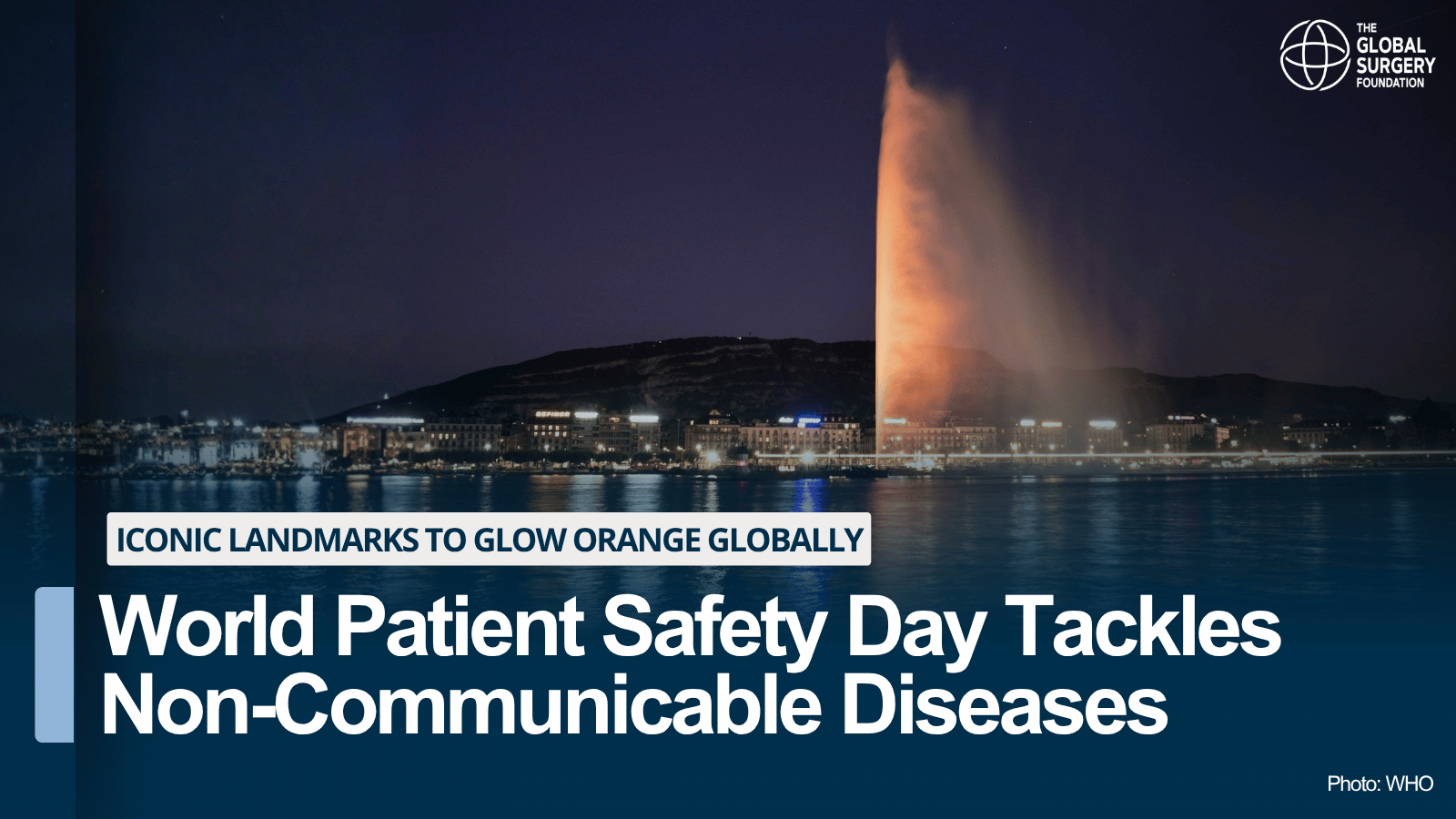
Geneva's Jet d'Eau lit orange for World Patient Safety Day. Photo: WHO
What the day marks
World Patient Safety Day was established by World Health Assembly resolution WHA72.6, adopted on 28 May 2019, to raise public awareness of patient safety and to encourage governments, health workers and patients to work together to make care safer. The first observance took place on 17 September 2019, and it has been held on that date every year since.
Why it exists
WHO estimates that around one in ten patients is harmed while receiving health care, and that unsafe care contributes to more than three million deaths a year worldwide. More than half of that harm is considered preventable, and medication errors account for the largest single share of it.
The 2026 focus: noncommunicable diseases
This year’s theme is “Safe care for noncommunicable diseases,” with the slogan “Safe care for life!” Noncommunicable diseases, principally cardiovascular disease, cancer, chronic respiratory disease and diabetes, caused an estimated 43 million deaths in 2021, equivalent to 75% of all deaths not linked to the COVID-19 pandemic that year, according to WHO. People living with these conditions typically move between multiple providers and care settings over years or decades of treatment, and WHO points to each of those transitions as a point where safety can fail.
For 2026, WHO has set four goals for the campaign: to raise awareness of the patient safety risks associated with noncommunicable diseases across the whole care pathway; to involve people living with these conditions in identifying risks and shaping solutions; to embed patient safety principles in noncommunicable disease policy, legislation and strategy; and to support health workers in strengthening everyday safety practices such as safer diagnosis and medication safety (see the full goals). As in previous years, the campaign’s signature activity is the illumination, in orange, of landmarks, monuments and public spaces around the world on 17 September; WHO itself will light Geneva’s Jet d’Eau fountain, and invites other organisations to join in (details here).
The WHO Safe Surgical Checklist is one of the most effective tools to increase patient safety.
About this Article
This article links to material published by third parties and summarises it as stated in the source. It is provided for information only, is not clinical guidance, and does not imply endorsement by the Global Surgery Foundation or its project partners. Readers should consult the primary source before acting on the material, which is not routinely updated.
About the Global Surgery Foundation
The Global Surgery Foundation (GSF) is the lead global platform for surgical care systems strengthening. Operating on a UN-incubated, neutral platform, GSF mobilises world-class clinical, policy, and funding expertise to support local leaders in building surgical systems that are efficient, resilient, and sustainable. Through SURGfund — the world's first and only pooled financing mechanism for surgical care — and SURGhub — the UN Global Surgery Learning Hub — GSF is translating catalytic investment into measurable, lifesaving impact across low- and middle-income countries.
www.globalsurgeryfoundation.org
Your Next Article
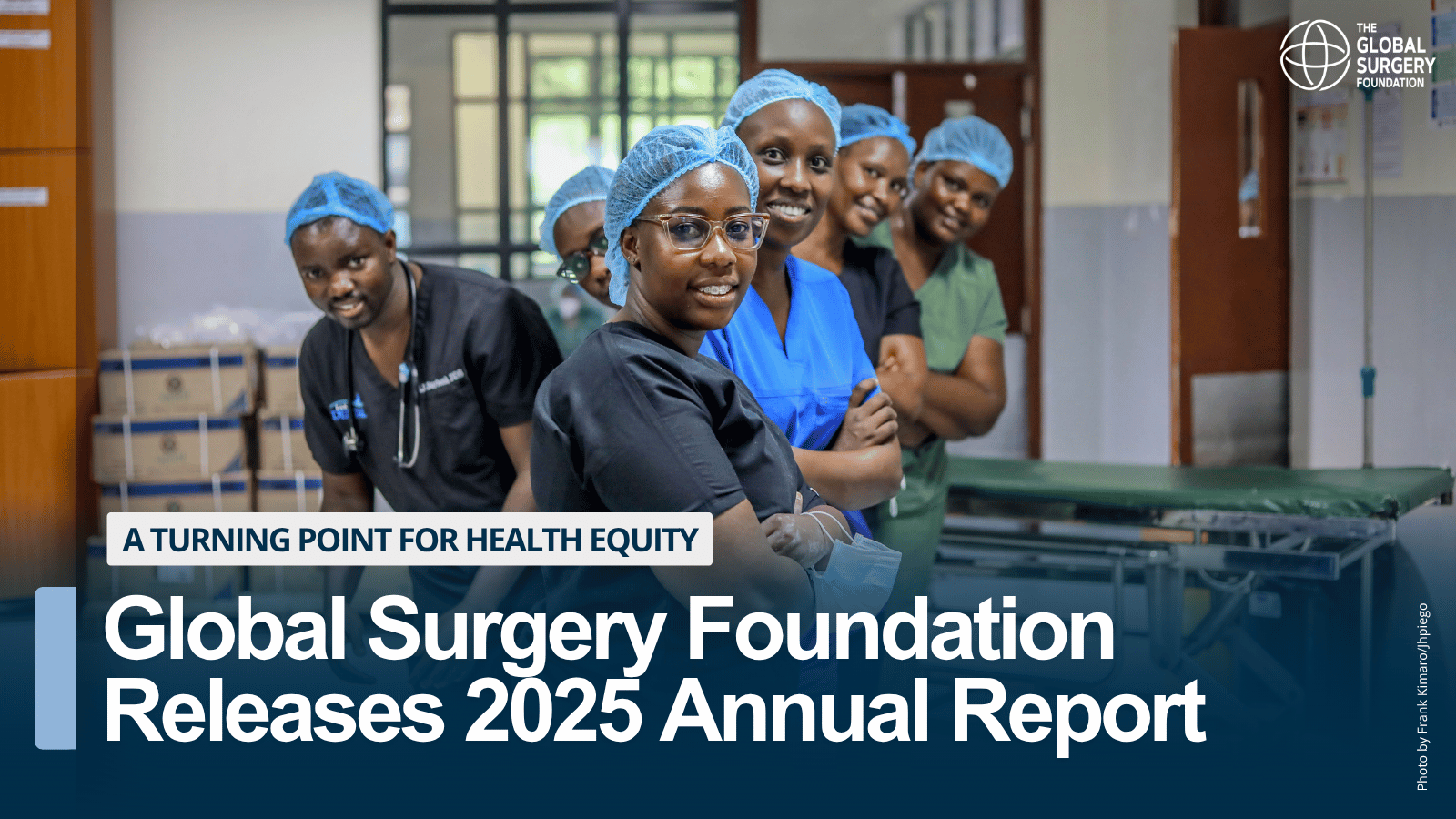
The Global Surgery Foundation’s 2025 Annual Report marks a decisive turning point for global health. Read more