The Nurse Who Never Ignores Her Instincts in Koshi, Nepal
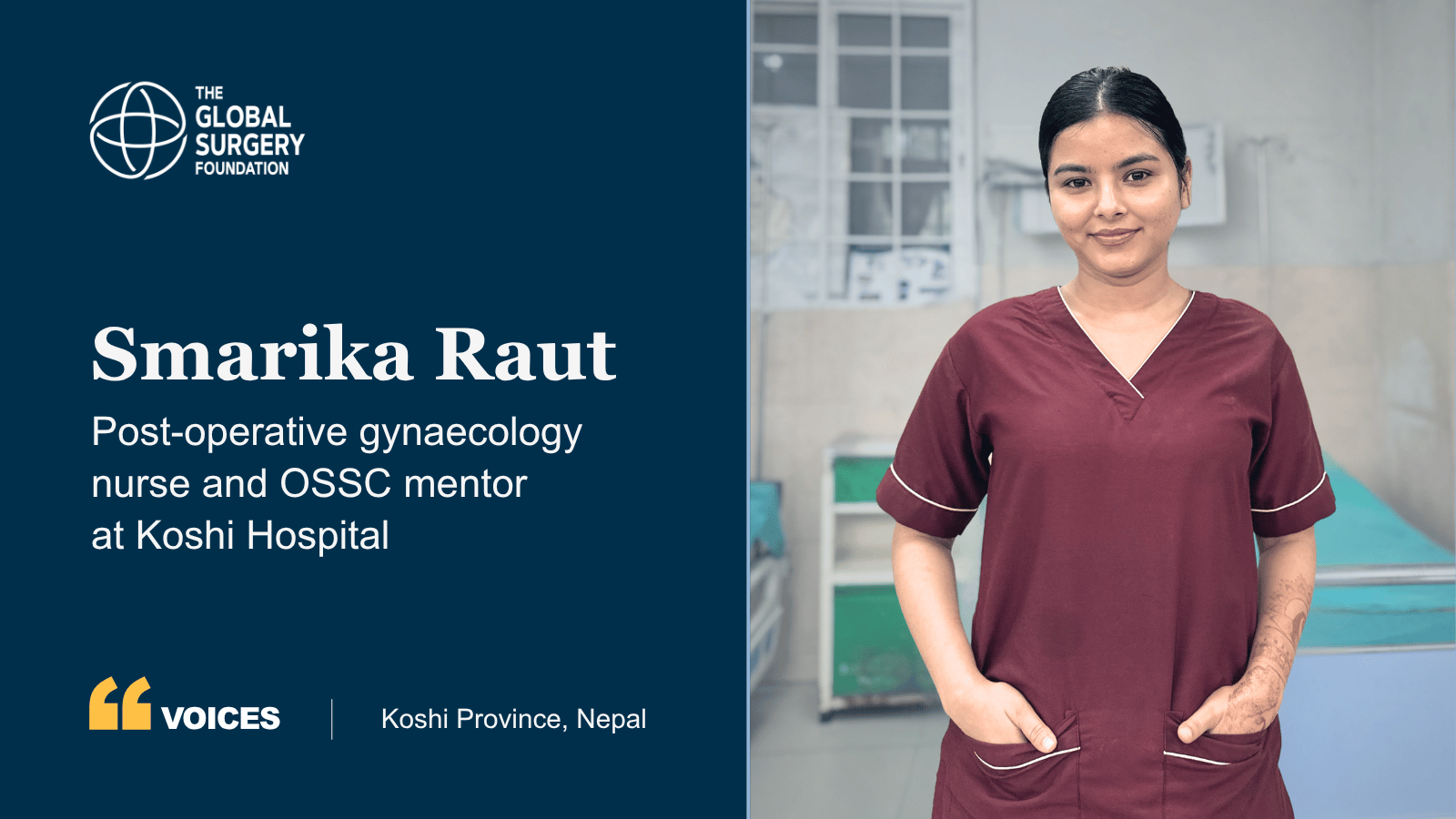
In the latest instalment of Voices of Global Surgery, Smarika Raut, a post-operative gynaecology nurse and OSSC mentor at Koshi Hospital, describes the vigilance and compassion of the hours after surgery, and the case that taught her never to ignore her instincts.
Health workers around the world see where surgical care falls short. In Voices of Global Surgery we highlight their stories.
Koshi, Nepal — Smarika Raut works in the hours that rarely make headlines: after the operation is over, when a mother and her family are exhausted, anxious and only beginning to recover. “I care for mothers, newborns and families after the most crucial stage of their lives,” she says.
Koshi Hospital sits in Biratnagar, one of Nepal’s largest cities, where street markets, rickshaws and factory traffic fill the flat south-eastern plains near the Indian border. It is the provincial referral hospital and one of the busiest in eastern Nepal. Smarika has worked here as a post-operative gynaecology nurse for the past three and a half years, and as a mentor in the Nepal OSSC project. She describes work that is never quite the same twice. Some days are joyful, when a healthy mother meets a healthy baby; others are stressful and urgent.
A typical day starts with a careful handover of every case in the post-operative department, then moves through monitoring vital signs, giving medication, checking wound sites, helping with breastfeeding and offering emotional support. Mornings are the heaviest, as new surgical cases and transfers arrive together, and managing it all is only possible through the teamwork of doctors, nurses and other health workers, and constant communication with families. “After all the hustle, getting to see the recovery and the satisfaction makes it worth it,” she says.
Why she chose gynaecology
Smarika’s journey into nursing began with a simple wish to make a difference. During a clinical posting in the gynaecology department, she cared for a mother through surgery, talking her through the process and encouraging her. Afterwards, she held the newborn, showed the baby to her and helped her breastfeed. “She had the biggest smile on her face, forgetting all the pain she had gone through,” Smarika recalls. Before discharge, the mother thanked her for helping her through a difficult time, and that happiness led her to choose the gynaecology department, where she has worked ever since. Helping a mother breastfeed within the first hour after a caesarean section is best practice, and one the OSSC project promotes and measures: since the project began, the share of mothers breastfeeding within an hour of a caesarean has risen from 29% to 96%.
“Treatment is not only done by medical procedure and medicine,” she says. “It also requires emotional support, hope, dignity and confidence to heal.” Respectful care of that kind is not an extra; it is a core element of the OSSC project.
That belief carries particular weight here. In Koshi Province, 38% of maternal deaths are linked to caesarean section, the highest in Nepal, and many complications emerge not in the operating theatre but in the hours and days that follow, on wards like hers. It is what makes vigilant post-operative care so vital.
“She had the biggest smile on her face, forgetting all the pain she had gone through.”
Life on the post-operative ward
Caring for women during one of the most vulnerable periods of their lives means watching constantly for bleeding, eclampsia and infection, and acting early. Some days staffing is limited and every bed is full. Koshi Hospital sits near the border between Nepal and India, so patients arrive from neighbouring areas too, adding to the pressure on beds. Language differences can create communication barriers, and many patients are unfamiliar with post-operative rules such as maintaining a sterile field, which can lead to infection. There is no separate counselling room or dedicated recovery room.
Despite it all, the team stays committed to compassionate, respectful care. “Seeing a patient who could not sit up after surgery gradually regain strength, walk independently and return home to her family is incredibly rewarding,” Smarika says. “Those moments remind me that recovery is about much more than physical healing. It is about restoring confidence, independence and hope.”
“Nursing is not only about carrying out tasks. It is about staying alert, thinking critically and speaking up when a patient’s life may depend on it.”
Her third week on the ward
It was only her third week when a young mother arrived for an emergency caesarean section after severe bleeding. At first, in the post-operative ward, she seemed stable. But as she was moved from trolley to bed she began complaining of a severe headache and grew restless. Her blood pressure was rising, and Smarika alerted the doctor and the team at once.
Within four or five minutes, the patient had a seizure. The team acted quickly, turning her onto her side, giving oxygen, loading magnesium sulphate and starting treatment while monitoring her closely. When the seizures continued, they moved her to intensive care. Because the change had been caught early, she received timely treatment and recovered well. A few days later she went home, holding her baby with a smile.
That patient taught Smarika that even small changes in a patient’s condition can be life-threatening if they are missed, and she has never ignored her instincts since. “Nursing is not only about carrying out tasks,” she says. “It is about staying alert, thinking critically and speaking up when a patient’s life may depend on it.”
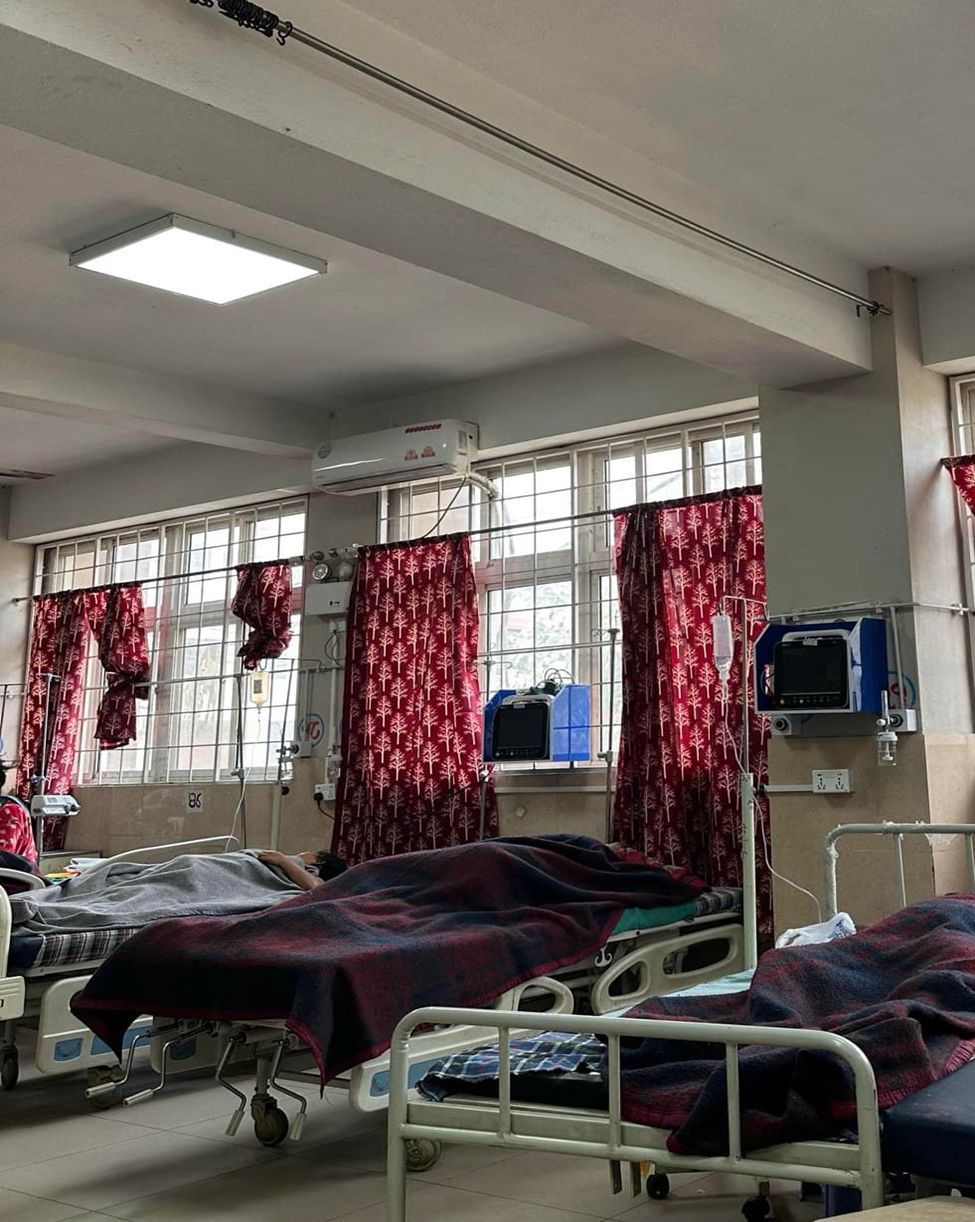
Newly installed patient monitors beside the beds of the post-operative ward at Koshi Hospital, Biratnagar.
What changed with the OSSC project
“Being part of the OSSC project has been one of the most valuable learning experiences,” Smarika says. “Before, I used to work routinely. Now I try to look beyond the routine nursing task.” The project taught her the importance of teamwork, early recognition, proper documentation and timely action. Through training, shared protocols and regular discussion, the team’s communication and confidence in safe practice have grown, and staff now follow up with patients by phone to check on their wellbeing and catch complications early. A monthly virtual meeting lets mentors and staff track their own growth and learn from other facilities.
Her role as a mentor extends that learning further. “As a mentor, I visit other facilities, and everything I learn I share with my team, which builds team spirit and confidence in our roles,” she says. In a post-operative department, she adds, teamwork is everything: recovery depends on nurses, doctors, other medical staff and support staff sharing information and responsibility, and the team has grown stronger by discussing patient care and challenges openly. “Overall, the OSSC project has improved my clinical skills and my confidence. It has helped our team provide safer, more organised and more patient-centred care.”
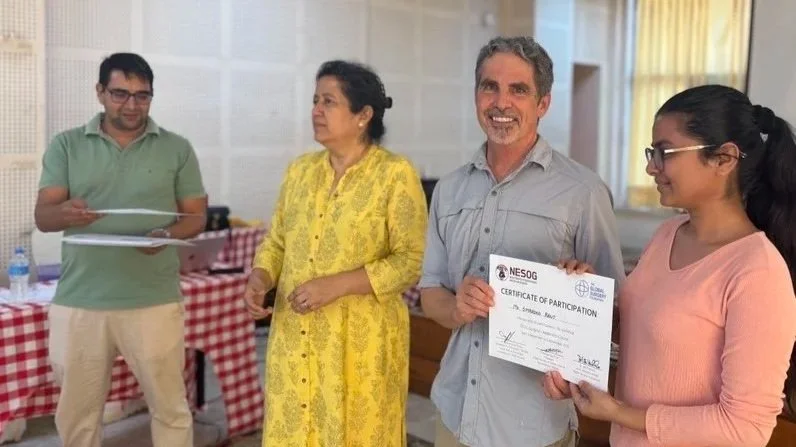
Smarika receives a certificate of participation at an OSSC training.
What keeps her going
There are days when caring for mothers and babies after surgery is emotionally and physically draining. In those moments, Smarika reminds herself why she became a nurse, and that her effort makes a difference in someone else’s life. A patient’s recovery, a family’s relief, a smile on the way out of the door: “it gives the reason why our work really matters.” Looking ahead, she hopes every woman can give birth safely, on time and respectfully by a trained person, with enough beds and staff so that no one has to be turned away, and with continuous training, equipment and opportunities for every member of staff.
Her message to global health leaders and donors reaches past the operating theatre itself. “Surgical care is not only about the operation; it also depends on the quality of care before, during and after surgery,” she says. “In Nepal, many hospitals work with limited resources, yet doctors, nurses and other health workers do everything possible for patient care. Everyone deserves safe surgical care, no matter their economic status. A small investment in education can change the outcome of patient care.”
“Surgical care is not only about the operation; it also depends on the quality of care before, during and after surgery.”
Voices of Global Surgery
Meaningful progress requires listening to those who know it best: the people with lived experience. Their unique expertise is irreplaceable when it comes to understanding and fixing the gaps in quality surgical care. In this series, we highlight the voices of those most affected to explore the critical barriers, challenges, and opportunities in achieving safe surgical care for all.
About the Project
The Saving Lives of Mothers and Newborns in Nepal: Optimizing Safe Surgical Care project is implemented by the Global Surgery Foundation (GSF) and the Nepal Society of Obstetrics and Gynaecology (NESOG), in coordination with Nepal’s Ministry of Health and Population. The initiative focuses on Koshi Province to reduce maternal and neonatal morbidity and mortality by improving the safety of emergency obstetric surgical care. Through a hub-and-spoke mentorship model, the project empowers local frontline teams to adopt evidence-based clinical practices, the WHO Surgical Safety Checklist, and data-driven quality assurance — ensuring safer caesarean births for every mother and newborn.
globalsurgeryfoundation.org/nepal-ossc
About the Funding & Implementation
The Nepal OSSC project is supported by SURGfund, the pooled financing mechanism of the Global Surgery Foundation (GSF) and the world’s only catalytic fund for strengthening surgical care systems. This project is co-funded by the Else Kröner-Fresenius-Stiftung (EKFS). In addition to SURGfund financing, GSF provides strategic implementation support to ensure long-term sustainability.
Your Next Article
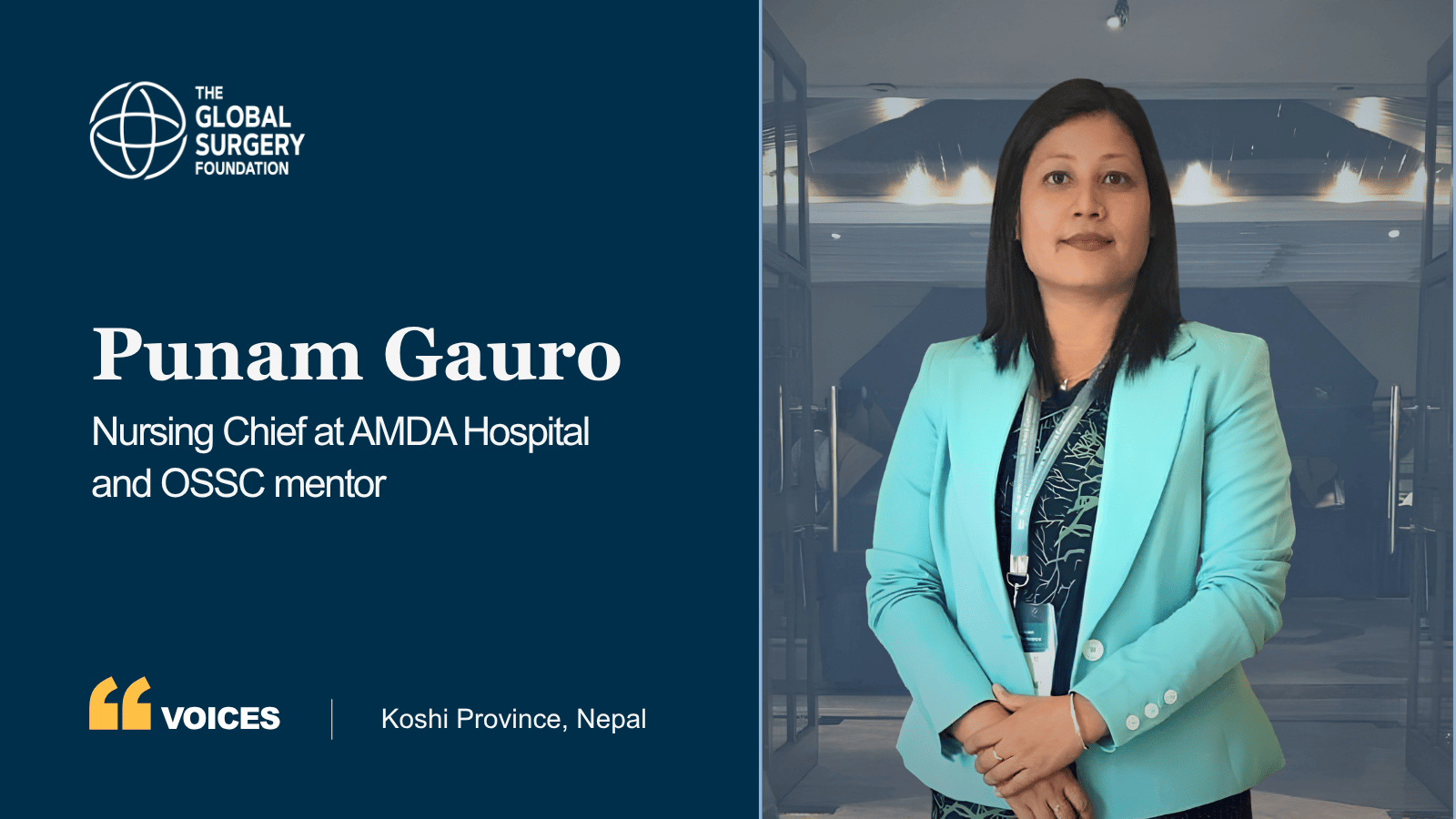
Punam Gauro, Nursing Chief at AMDA Hospital in Damak, Nepal, and a mentor in the Nepal OSSC project, describes a career spent turning training into impact for mothers and newborns, and remembers the mother whose recovery still shapes every lesson she gives. Read article.