On 14 November, World Diabetes Day begins a two-year campaign on early action: finding diabetes sooner and lowering the risk of developing it. Acting early can also prevent foot problems that would otherwise end in an operation.
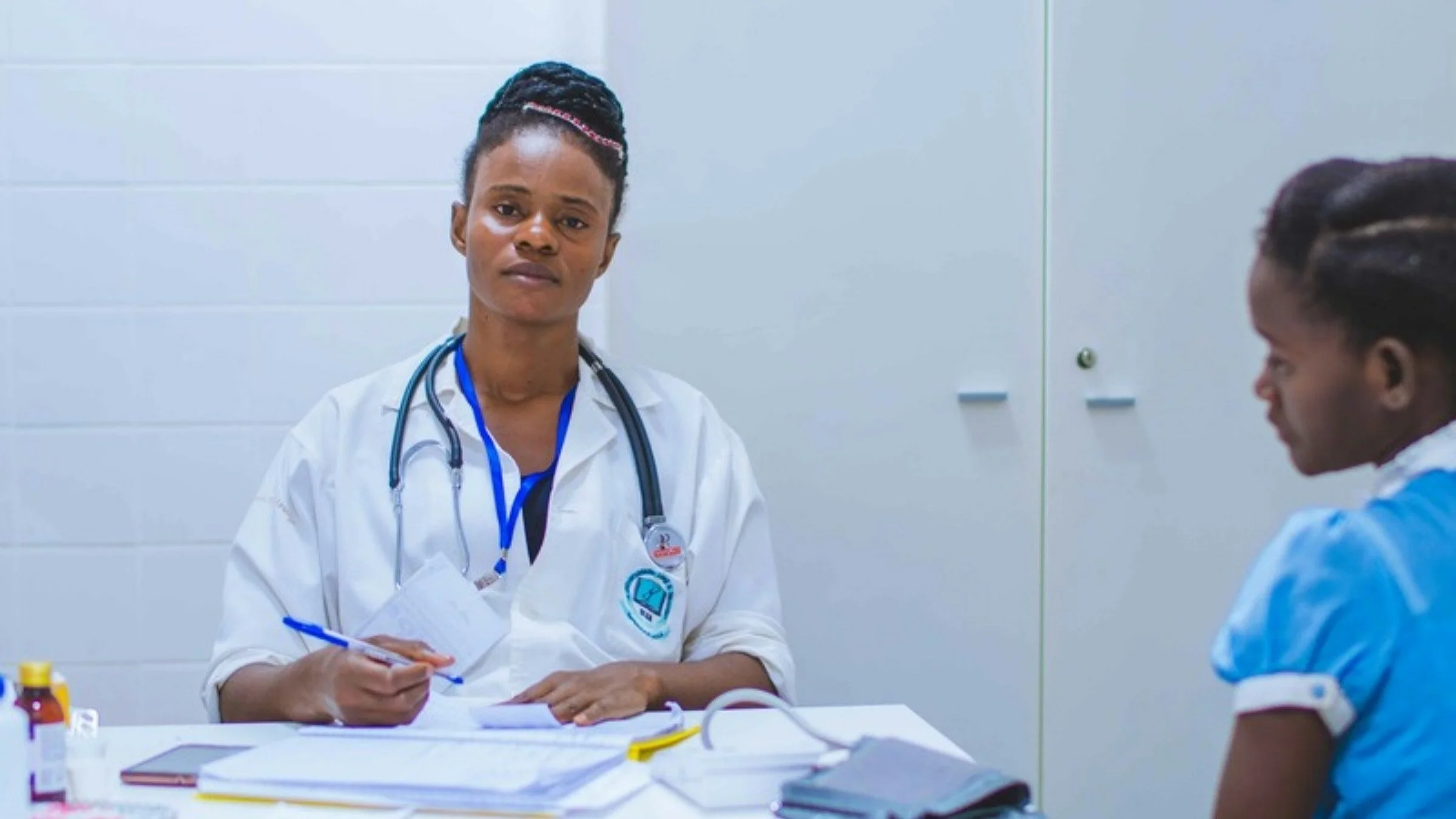
A health worker sees a young patient at a clinic. Photo: Francisco Venâncio / Unsplash
What the day marks
World Diabetes Day was created in 1991 by the International Diabetes Federation (IDF) and the World Health Organization (WHO). It later became an official United Nations day through General Assembly resolution 61/225. The date, 14 November, is the birthday of Sir Frederick Banting, one of the scientists who discovered insulin.
Why it exists
According to WHO data, the number of people living with diabetes rose from 200 million in 1990 to 830 million in 2022. In 2021, diabetes was the direct cause of 1.6 million deaths.
Many people do not know they have it. WHO estimates that more than 40% of people living with diabetes are undiagnosed. Type 2 diabetes can develop slowly, with few or no signs, and may only be diagnosed years after onset, once complications have already appeared.
The 2026 theme: early action
This year IDF and WHO share the theme “Early action on diabetes.” For IDF, it opens a two-year campaign focused on early diagnosis and reducing risk. IDF estimates that about 1 in 8 people worldwide are at high risk of developing type 2 diabetes, and WHO notes that lifestyle changes can prevent or delay it.
WHO’s campaign asks people to learn the warning signs, such as increased thirst, frequent urination, tiredness and blurred vision, and to seek advice when they notice them. It calls on governments to bring prevention and early detection into primary health care and to widen access to affordable insulin and essential medicines. This supports the first of the global diabetes targets adopted at the World Health Assembly in May 2022: that 80% of people with diabetes are diagnosed by 2030. The campaign uses the hashtags #ActEarlyOnDiabetes and #WorldDiabetesDay.
About this Article
This article links to material published by third parties and summarises it as stated in the source. It is provided for information only, is not clinical guidance, and does not imply endorsement by the Global Surgery Foundation or its project partners. Readers should consult the primary source before acting on the material, which is not routinely updated.
About the Global Surgery Foundation
The Global Surgery Foundation (GSF) is the lead global platform for surgical care systems strengthening. Operating on a UN-incubated, neutral platform, GSF mobilises world-class clinical, policy, and funding expertise to support local leaders in building surgical systems that are efficient, resilient, and sustainable. Through SURGfund — the world's first and only pooled financing mechanism for surgical care — and SURGhub — the UN Global Surgery Learning Hub — GSF is translating catalytic investment into measurable, lifesaving impact across low- and middle-income countries.
Your Next Article
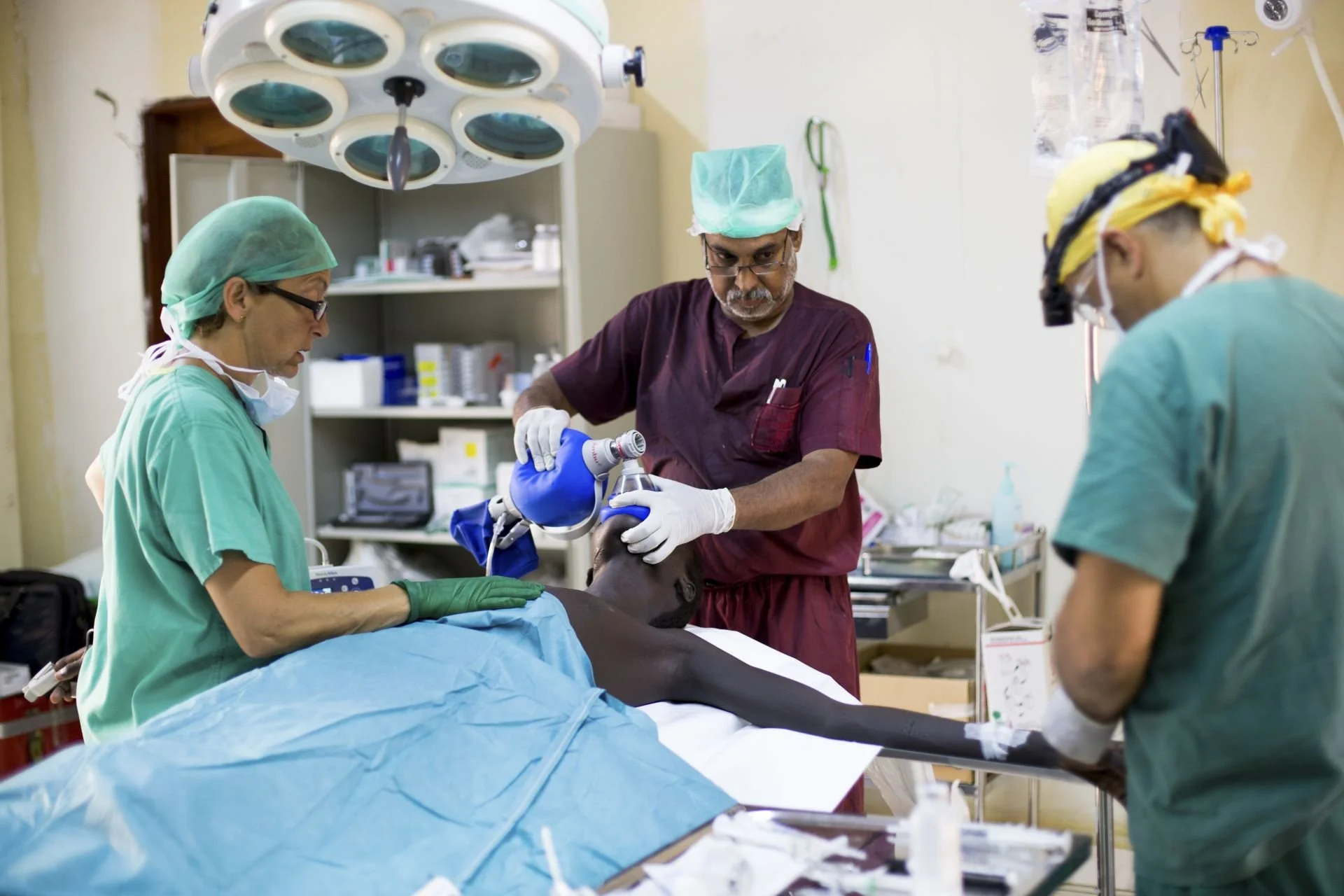
On 16 October, anaesthesia teams around the world marked World Anaesthesia Day, 180 years after the first public demonstration of ether anaesthesia. Read article.