Our programmes
Improving access to life-saving surgical care.
Projects we support
We fund and accompany local partners to improve access to safe surgical care.
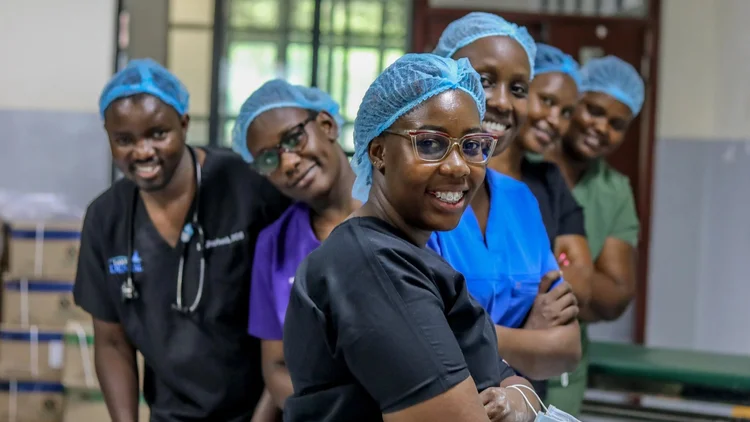
KENYA
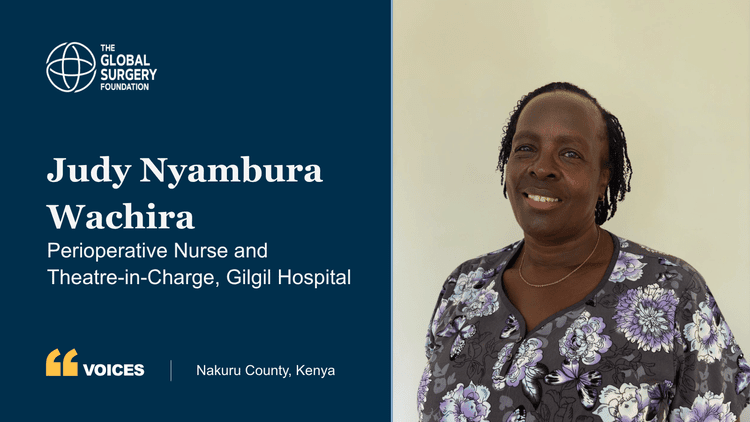
Nakuru County
Safe, timely and respectful caesarean care for over 25,000 women giving birth each year across five facilities in Nakuru County.
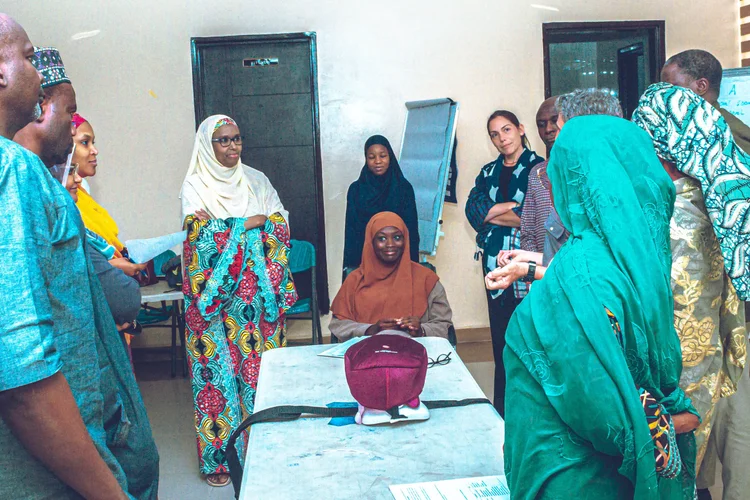
NIGERIA
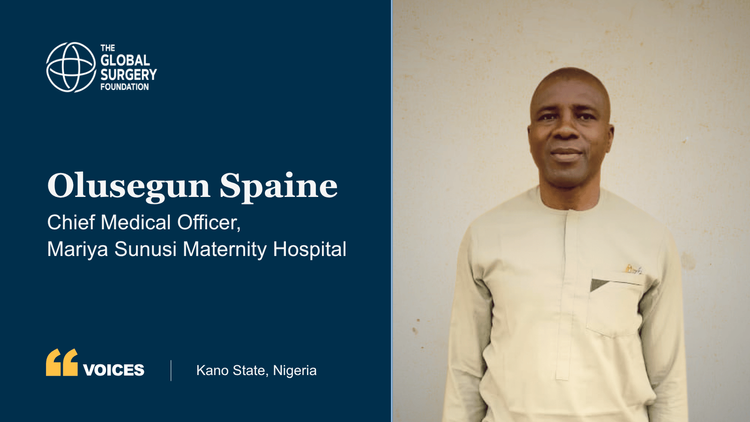
Kano State
Safe, timely and respectful caesarean care for over 27,000 women giving birth each year in Kano State.
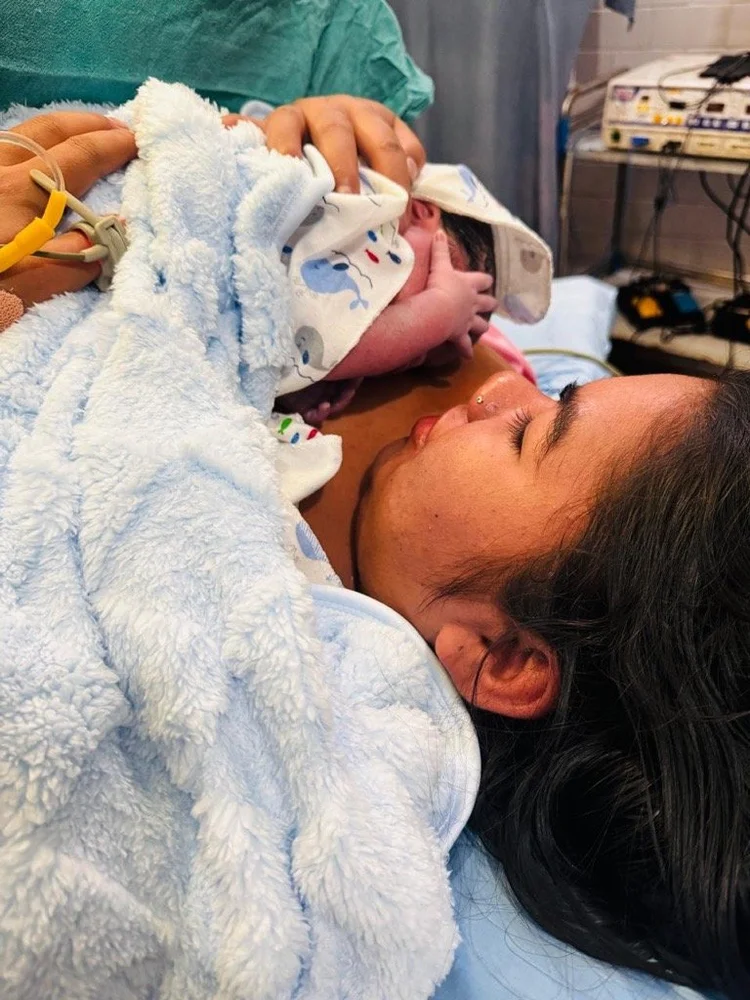
NEPAL
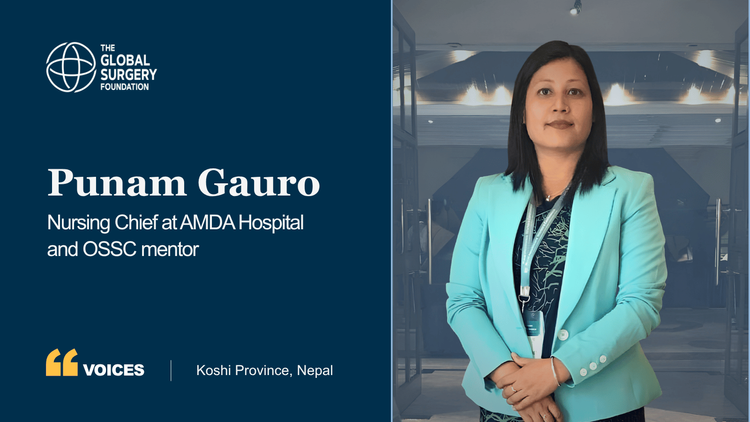
Koshi Province
Reducing deaths and complications linked to caesarean section for mothers and newborns in Koshi Province.
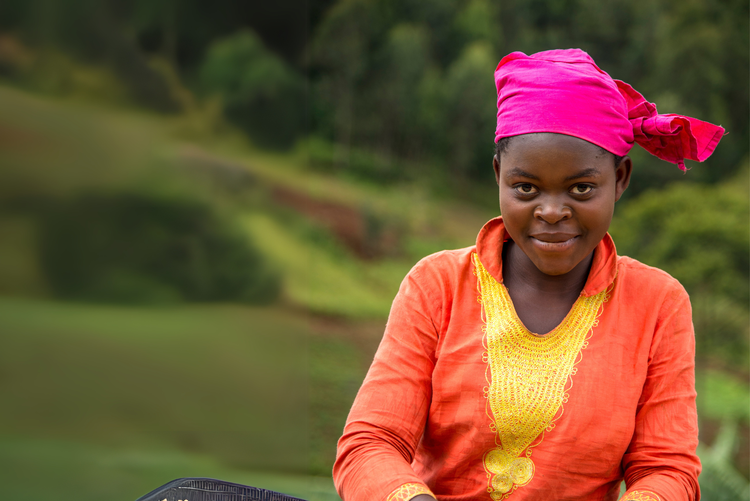
RWANDA
Breast cancer surgery
Improving outcomes for women with breast cancer in Rwanda through better training, patient navigation and data systems.
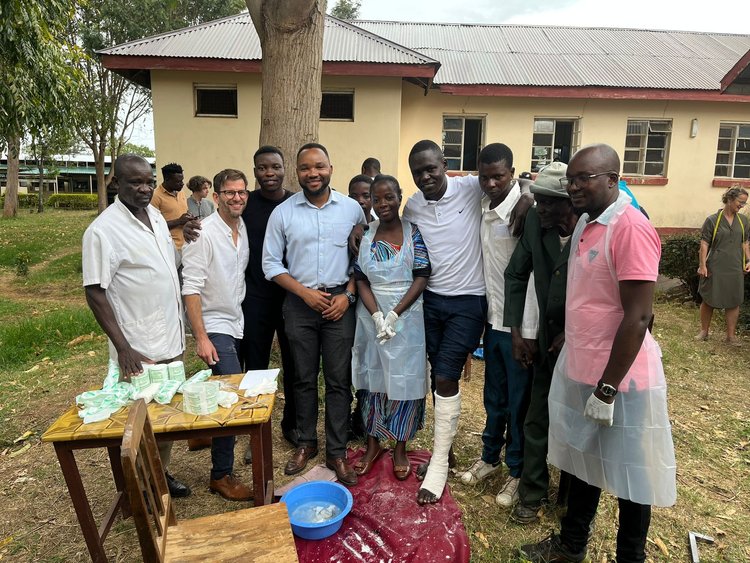
TANZANIA
Building Bridges for Broken Bones
Connecting traditional bonesetters and hospital staff to improve care for people with fractures in rural Tanzania.
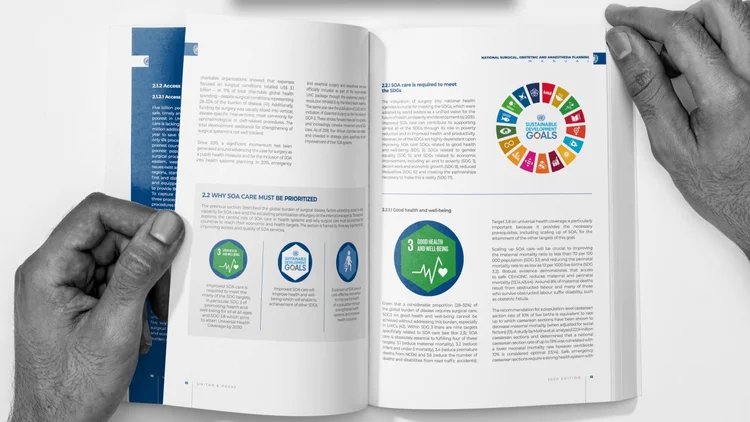
GLOBAL
The NSOAP Manual
Guiding governments in expanding access to life-saving surgical care through national surgical plans.
GLOBAL
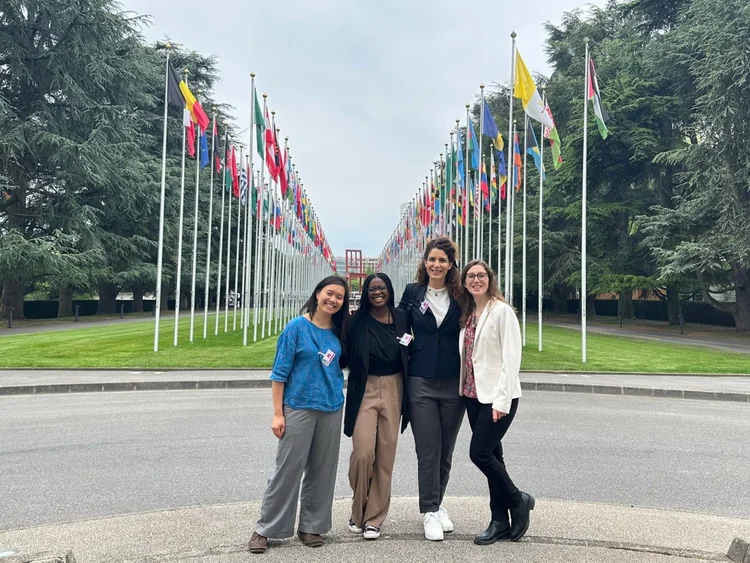
Champions in Global Surgery
Investing in the next generation of surgical care leaders.
PREVIOUS PROJECT
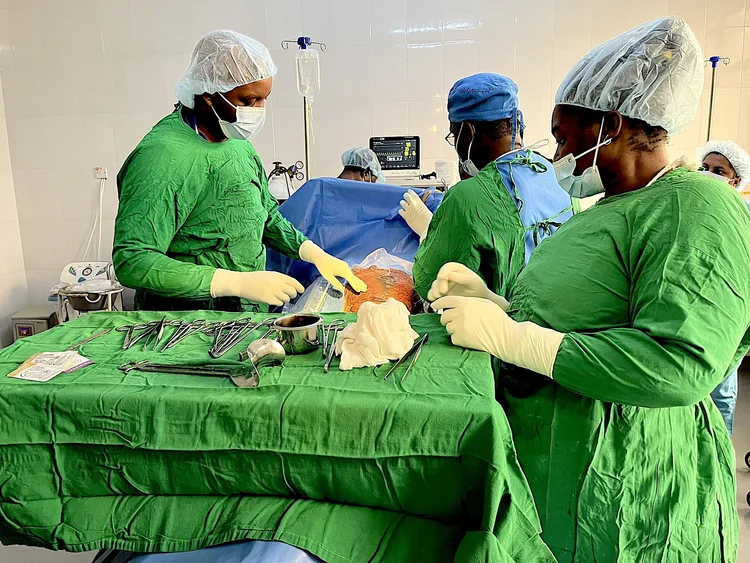
C-Safe
Developing, implementing and evaluating a strategy to reduce maternal and newborn deaths and complications following caesarean section in low- and middle-income countries.

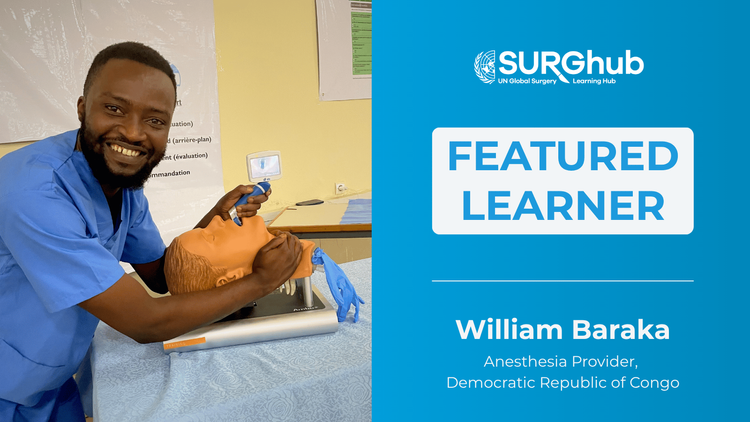
We train surgical teams through SURGhub, our award-winning learning platform, which offers 140+ courses to more than 67,000 learners.
Women’s Health
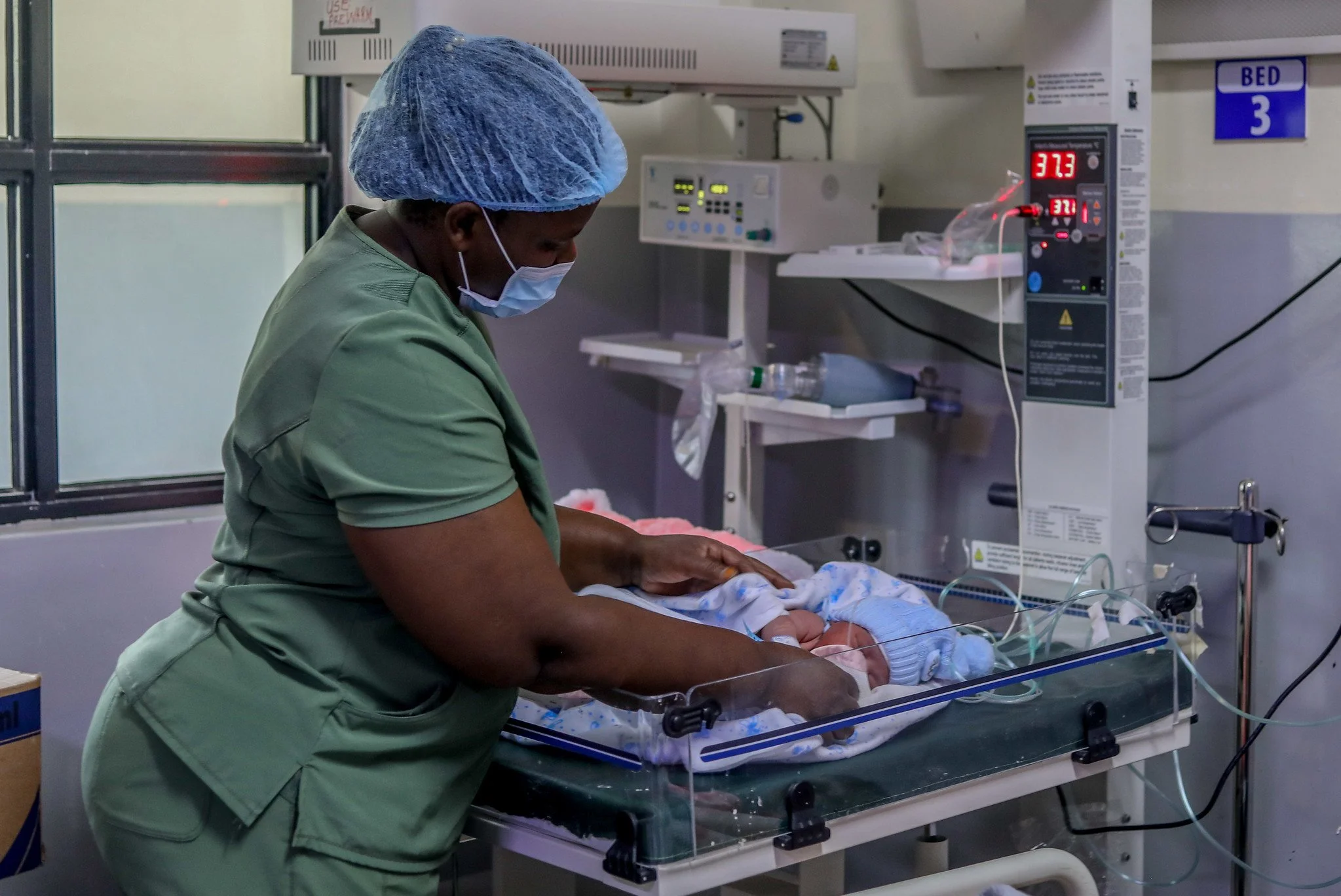
A woman living in a low- or middle-income country is 100x more likely to die from a caesarean section than in a high-income country.
At GSF, we are changing this. Our Women’s Health Programme empowers local leaders and frontline teams to drive projects focused on maternal health, breast cancer and cervical cancer.
Education and training
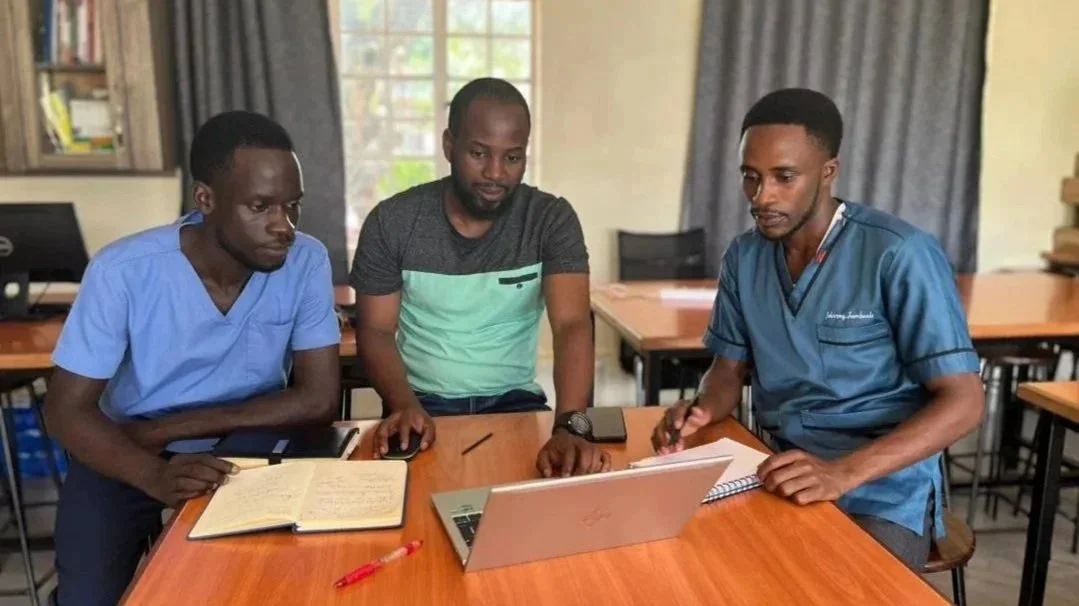


The world needs 2.2 million more surgeons, anaesthetists and obstetricians.
At GSF, we are providing an award-winning training platform to more than 67,000 learners in 219 countries and territories. Built with leading institutions, SURGhub offers open-access, expert-led courses in surgery, anaesthesia, obstetrics and perioperative care.
Our focus
We support projects that build surgical care capacity, save lives and strengthen health systems in four key areas.
Voices from the field
Stories from the health workers, patients and partners at the heart of the work we support.
NAKURU COUNTY, KENYA
Making Us Bold: How Obstetric Safe Surgery is Changing Lives in Kenya

SURGHUB · GULU, UGANDA
Pin It to the Board: How Peer Mentorship Is Promoting Digital Surgical Education in Uganda
Collaborative financing
Surgery is needed for 30% of global health conditions, yet it receives less than 1% of global health funding.
Through SURGfund, our fund for surgical care systems, we finance locally led projects and accompany the partners who deliver them, closing this neglected gap and improving access to life-saving surgical care.

Our approach
SURGfund pools funds from government, philanthropy and the private sector to build:

Local leadership
We accompany local leaders with funding and expert guidance to help them improve surgical care where it’s needed most.

Collaborative partnerships
We build global partnerships and work with existing healthcare initiatives to reduce silos and strengthen health systems.

Scalability and impact
We scale successful projects and measure their impact to drive positive outcomes for people in low- and middle-income countries.
Our impact
Results from the projects we finance and accompany.
8 in 10
women now receive a follow-up check after caesarean section, up from none
296,730
patients reached
1,521
health workers trained
31
facilities strengthened
67,000+
SURGhub learners in 219 countries and territories
Project figures as of Q2 2026; SURGhub figures as of October 2026.
Partner with us
For funders and investors
Partner with us to bring surgical care to the most vulnerable and amplify your impact. Together, we can close the biggest neglected gap in global health.
For individuals
Donate now to save lives and prevent disability. Your generosity helps us bring surgical care to those who need it most, no matter where they live.