News and events
Stay up to date on our activities and the latest news in global surgery.
Browse by type: Programme updates · Stories · Partnerships · Publications · Organisation
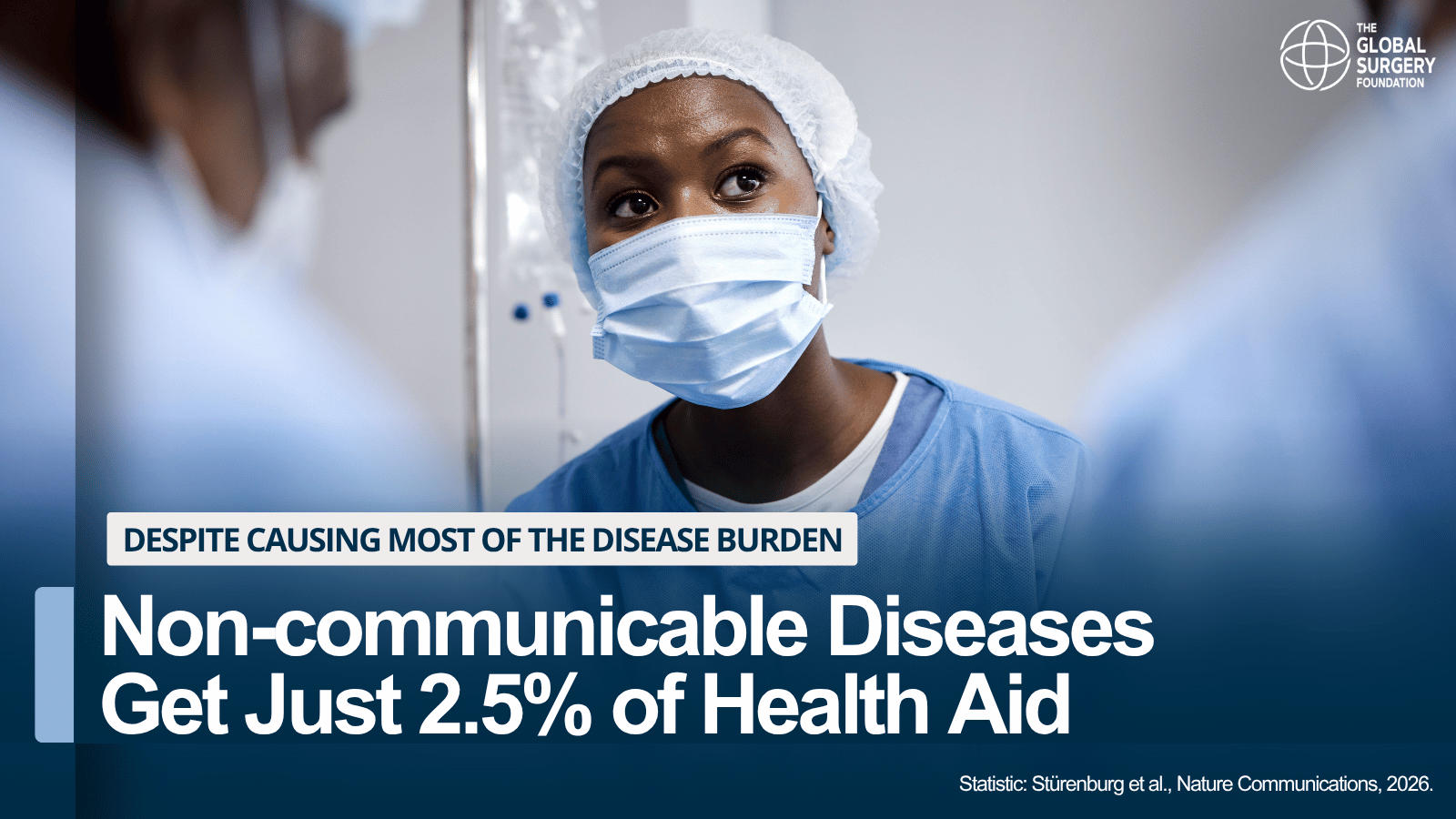
Non-communicable diseases receive just 2.5% of health aid
A global analysis of two decades of health aid found that non-communicable diseases received a fraction of funding despite causing most of the disease burden.

The Nurse Who Never Ignores Her Instincts in Koshi, Nepal
In the latest instalment of Voices of Global Surgery, Smarika Raut, a post-operative gynaecology nurse and OSSC mentor at Koshi Hospital, describes the vigilance and compassion of the hours after surgery, and the case that taught her never to ignore her instincts.
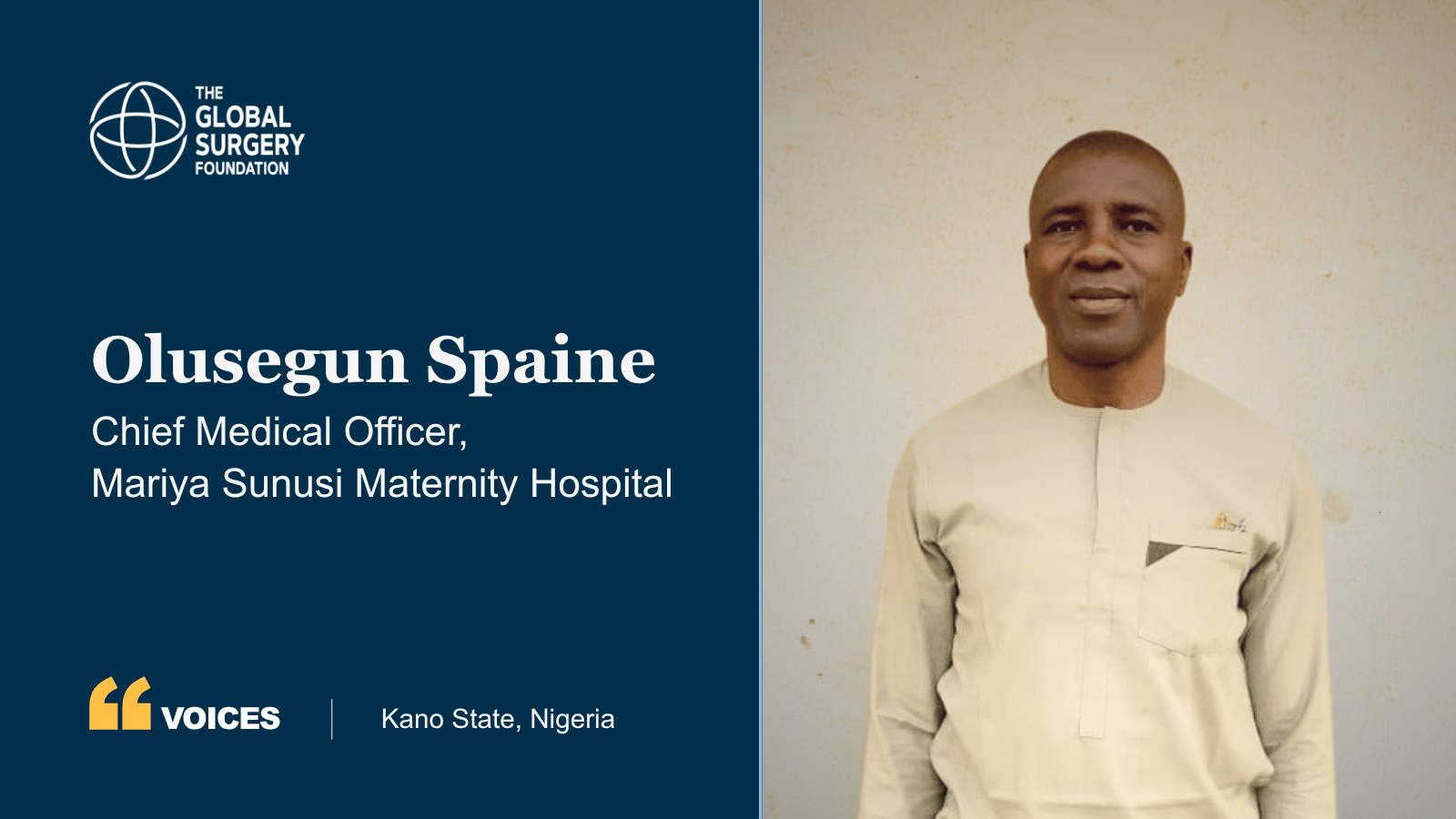
The Doctor Who Refuses to Do Nothing in Kano, Nigeria
In the latest instalment of Voices of Global Surgery, Dr. Olusegun Samuel Spaine, Chief Medical Officer in charge of Mariya Sunusi Maternity Hospital in Kano, Nigeria, explains why his answer to delay and scarcity is always to act, and remembers the patient he gave his own blood to try to save.
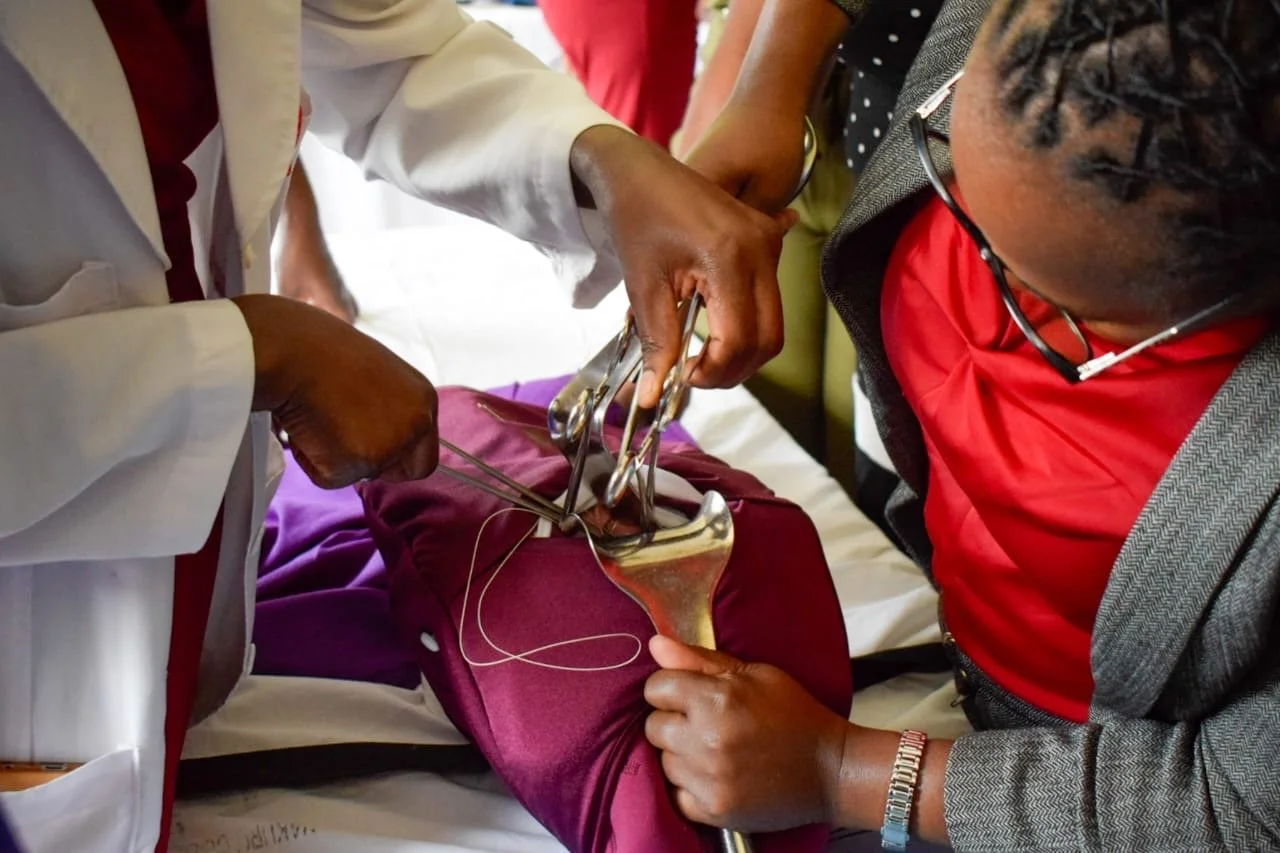
Most Low-resource Surgical Simulation Uses Low-cost Tools
A new journal review of 50 years of change in surgical education finds that most simulation in low-resource settings uses low-cost, locally sourced task trainers.
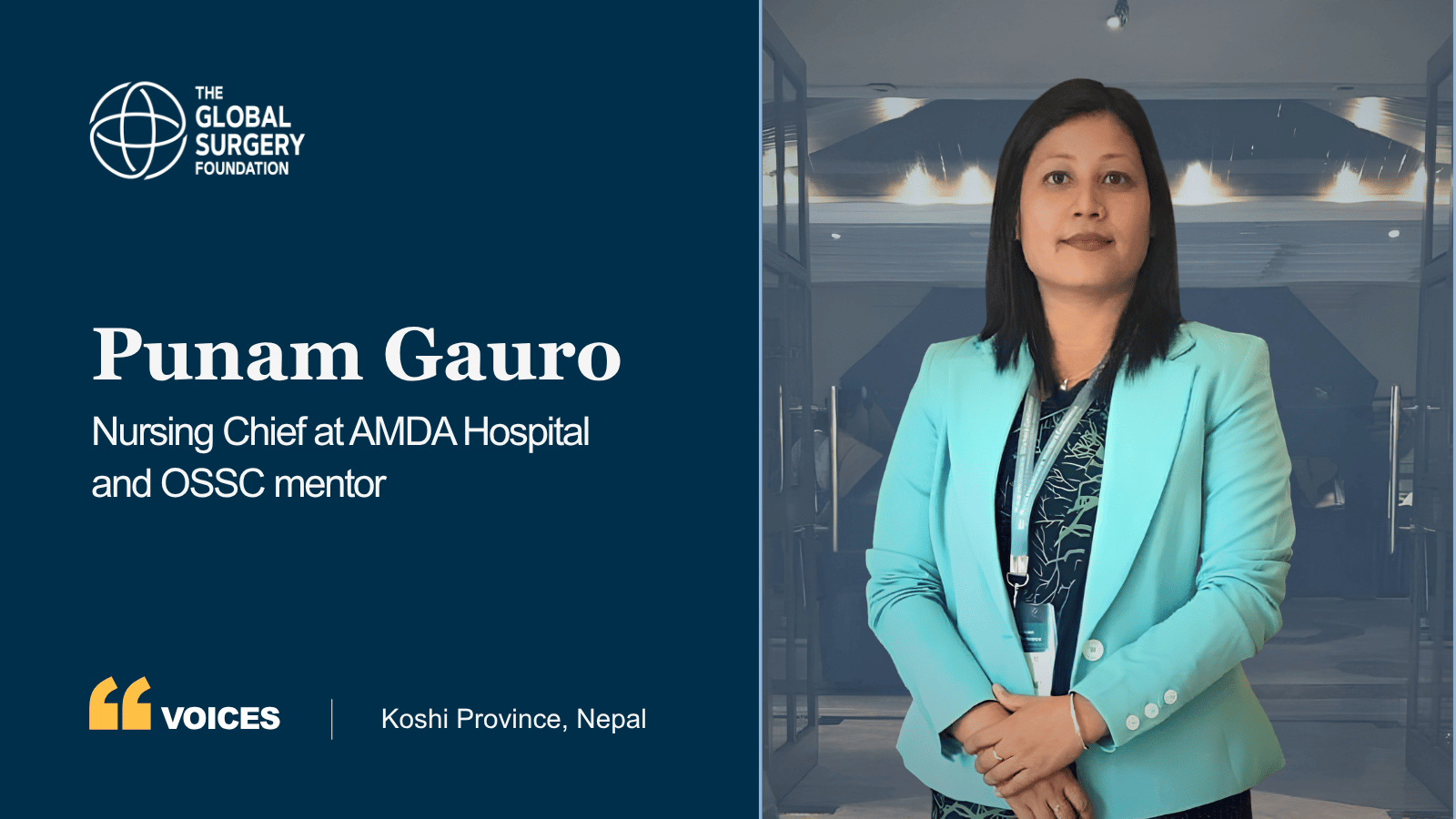
The Matron Teaching Teams to Save Mothers in Damak, Nepal
In the latest instalment of Voices of Global Surgery, Punam Gauro, Nursing Chief at AMDA Hospital in Damak, Nepal, and a mentor in the Nepal OSSC project, describes a career spent turning training into impact for mothers and newborns, and remembers the mother whose recovery still shapes every lesson she gives.
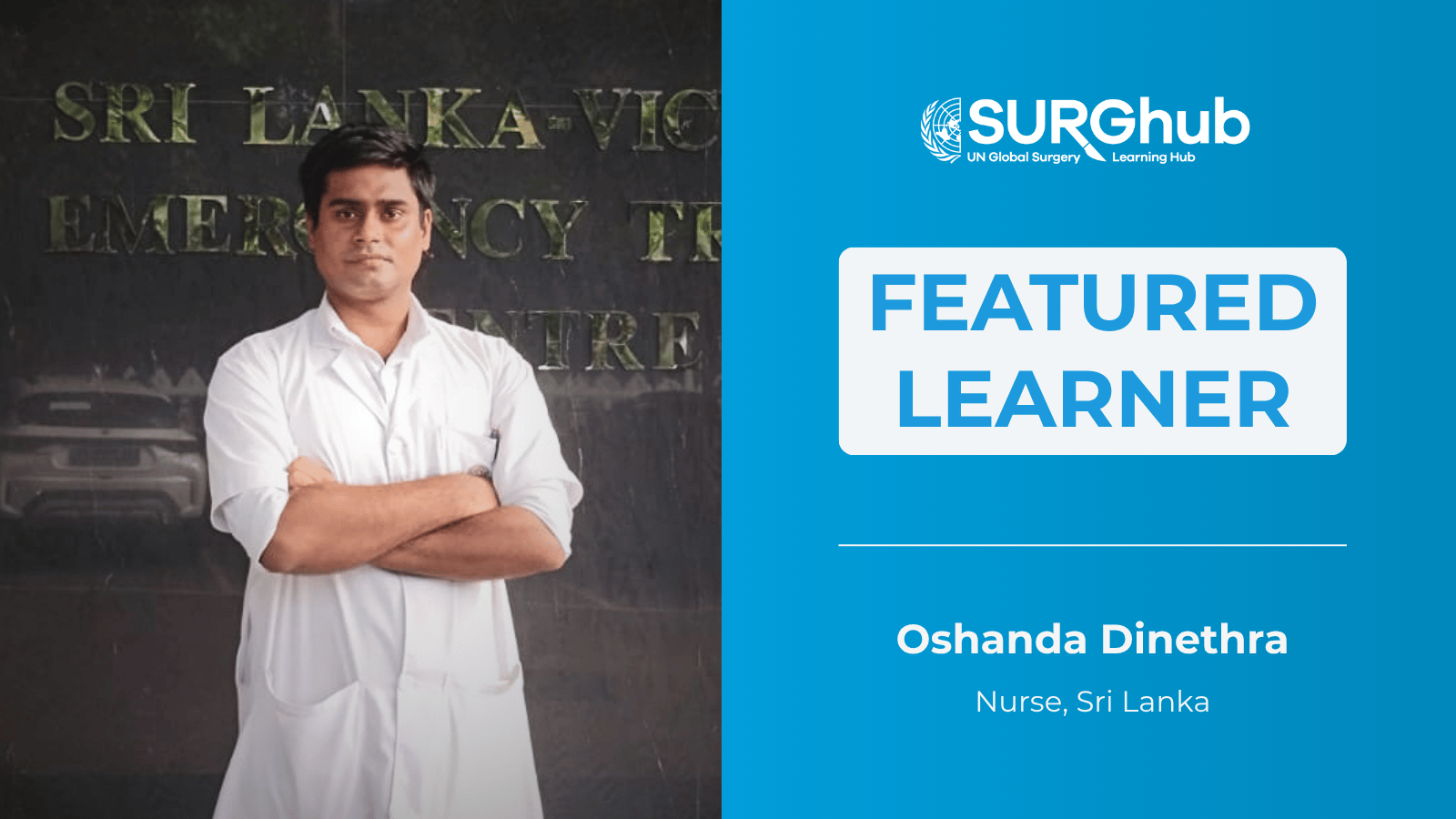
Care Continues Even When Resources Fall Short
A recent nursing graduate from Sri Lanka, Mr Oshanda Dinethra, shares how flexible online learning supported him through a critical ICU case, and why he believes nursing depends on knowledge and practical skill working together.
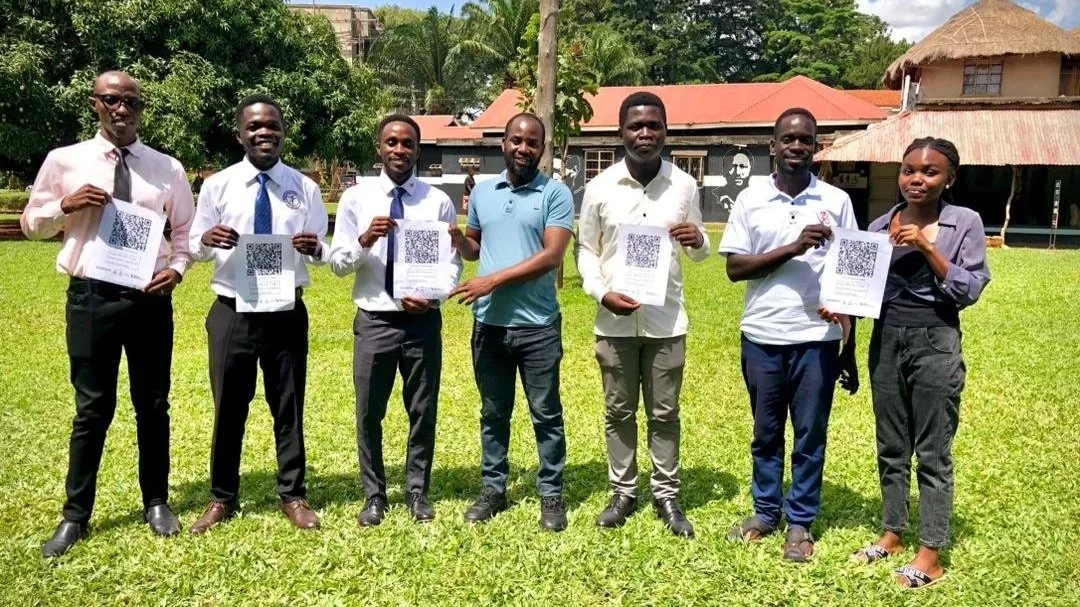
Pin It to the Board: How Peer Mentorship Is Promoting Digital Surgical Education in Uganda
Digital platforms expand access to surgical training, but local barriers often stall adoption. In Uganda, a Gulu University team is bridging this gap. By pairing a notice board campaign with peer mentorship, they show how to turn registered users into engaged learners.
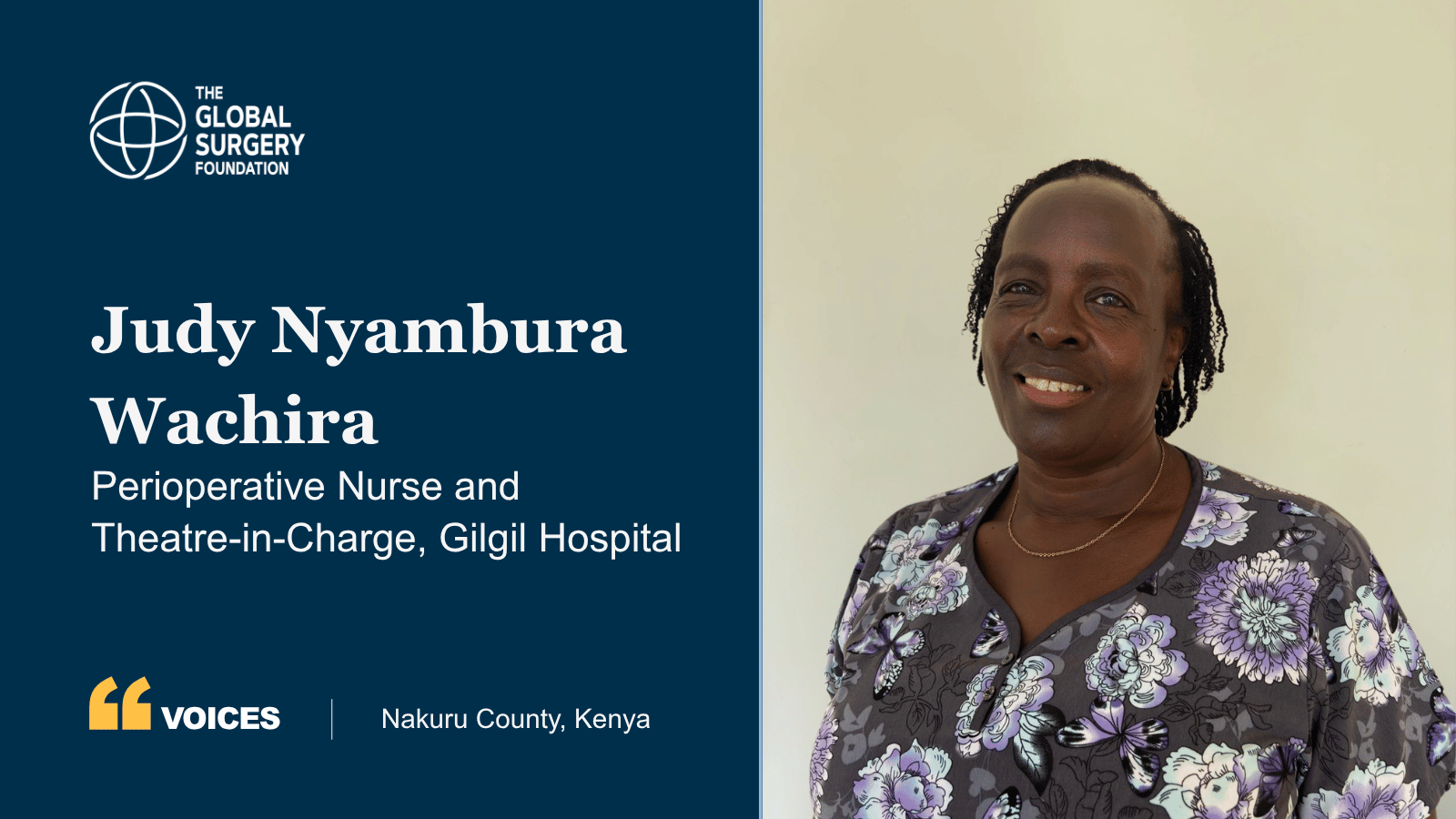
Making Us Bold: How Obstetric Safe Surgery is Changing Lives in Kenya
In Nakuru County, Kenya, a perioperative nurse and her surgical team are proving that when you invest in the people behind the operating table, the ripple effects reach far beyond theatre walls.
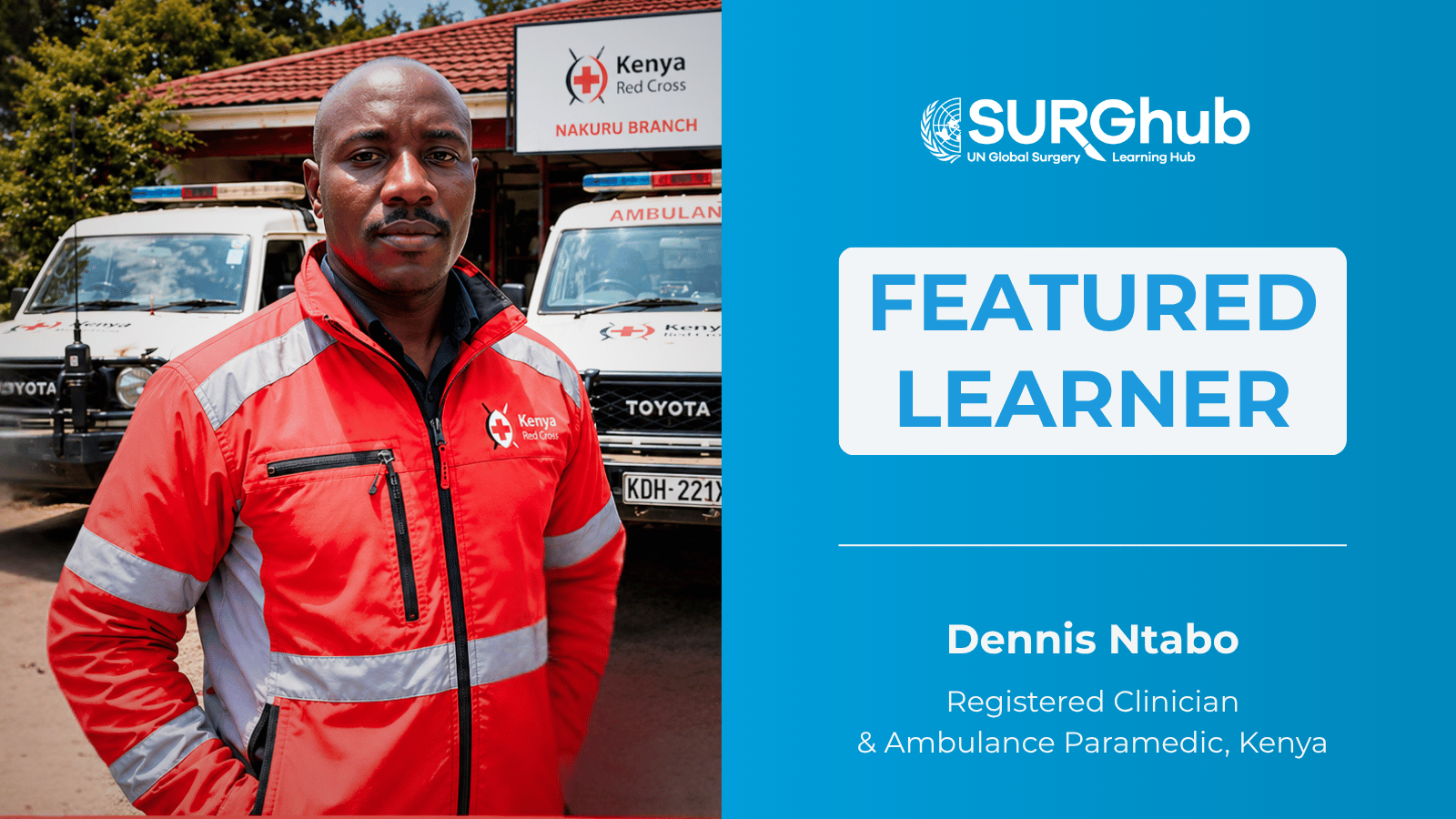
From the Roadside to the Trauma Bay: Mr Dennis Ntabo Nyang'au on Essential Emergency Care
From the frontlines of emergency care in Nakuru, Mr. Dennis Ntabo Nyang'au shares how systematic clinical training provides a vital framework for saving lives in Kenya’s most unpredictable environments.
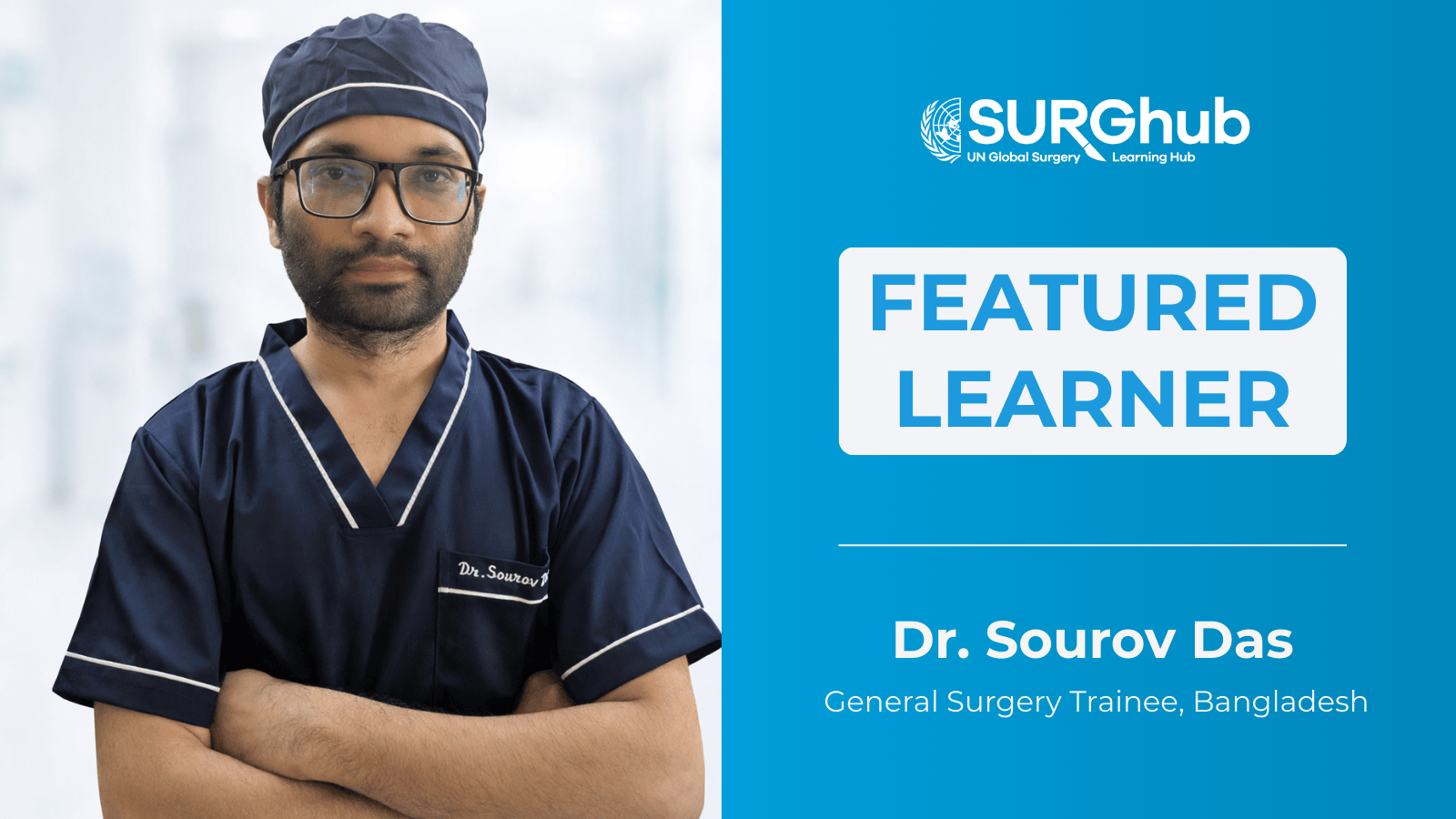
"Approaching the Case Confidently": A SURGhub Impact Story from Bangladesh
Dr. Sourov Das serves as a postgraduate trainee in General Surgery at Comilla Medical College Hospital. This busy public facility in Bangladesh serves a vast population, including rural patients who often face significant barriers to specialized care.
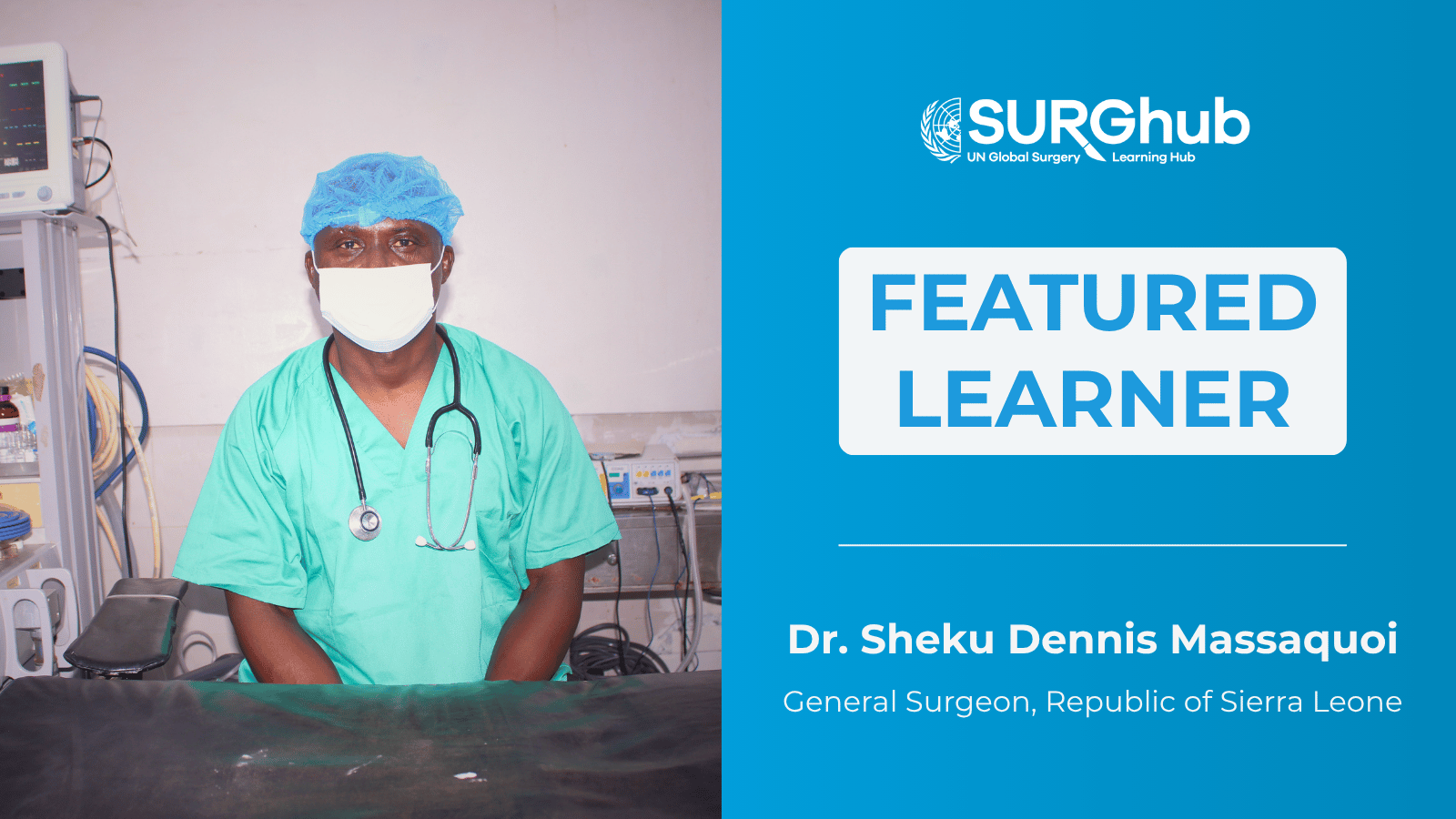
Resilient Care in Resource-Limited Settings: A Conversation with Dr. Sheku Dennis Massaquoi
From Freetown, Sierra Leone, Lt. Col. Dr. Sheku Dennis Massaquoi shares how navigating acute resource shortages and embracing virtual learning provides a vital framework for resilient surgical care in one of the world's most under-resourced systems.
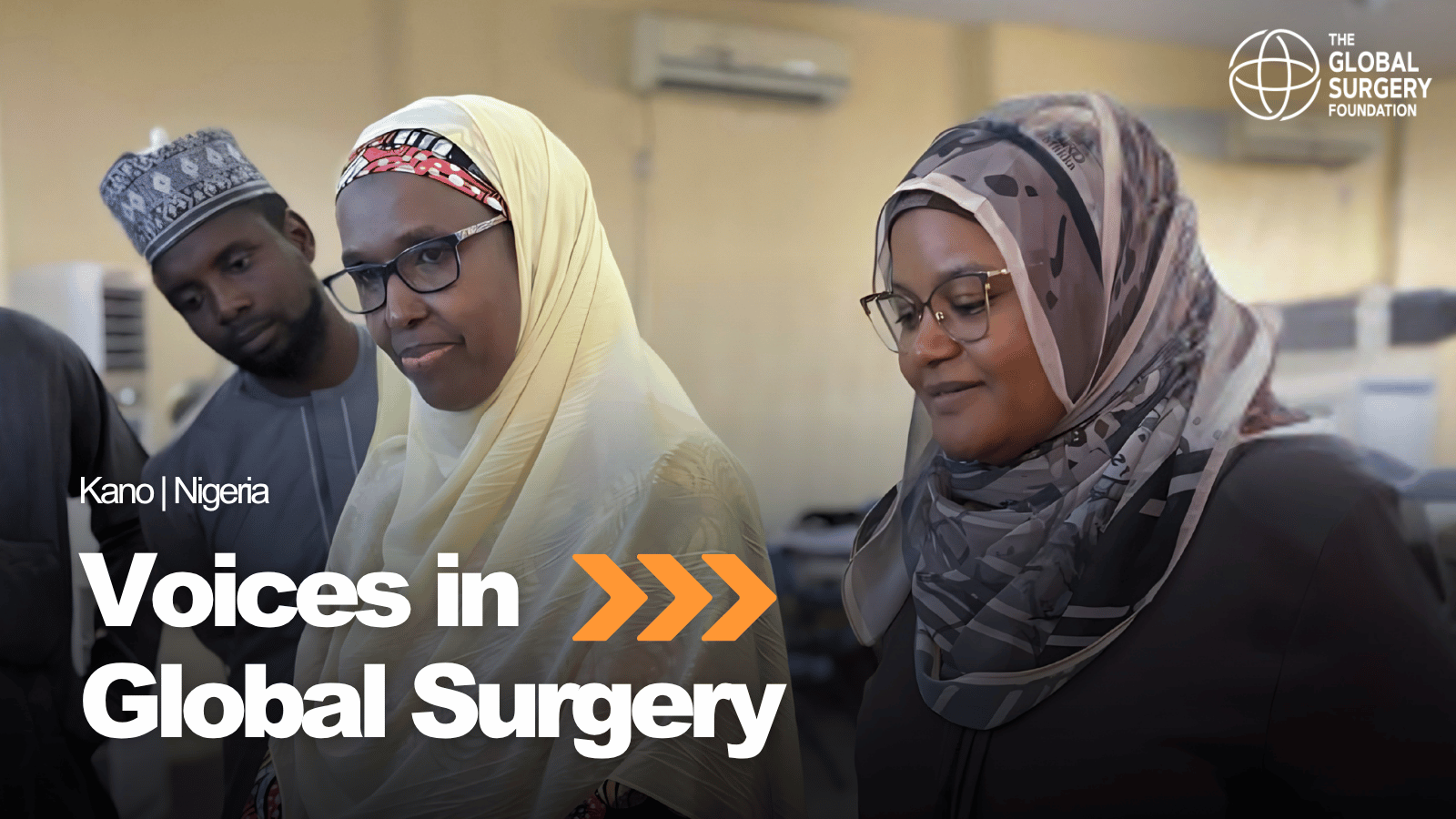
Caring for Patients Beyond the Limits of the System: A Surgeon's Reality in Kano, Nigeria
In Kano, Nigeria, Dr. Maryam shares the realities of providing maternal surgical care in a resource-constrained setting—where unpredictability, improvisation, and urgent decisions shape every day.
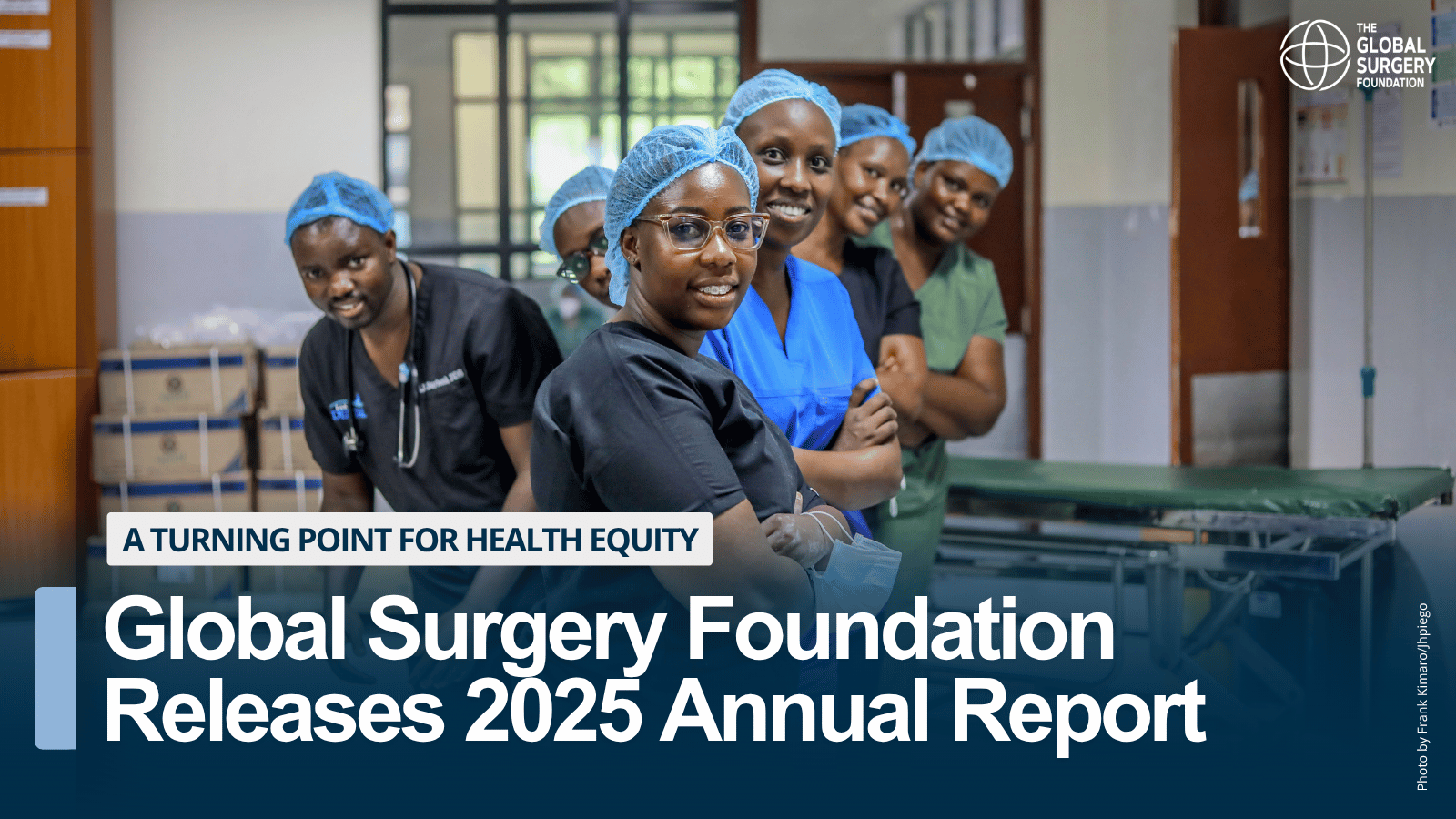
Global Surgery Foundation Releases 2025 Annual Report: A Turning Point for Health Equity
The Global Surgery Foundation’s 2025 Annual Report marks a decisive turning point for global health. Discover how increased catalytic financing and award-winning training are building local leadership capacity to bring safe, sustainable surgical care to everyone, everywhere.
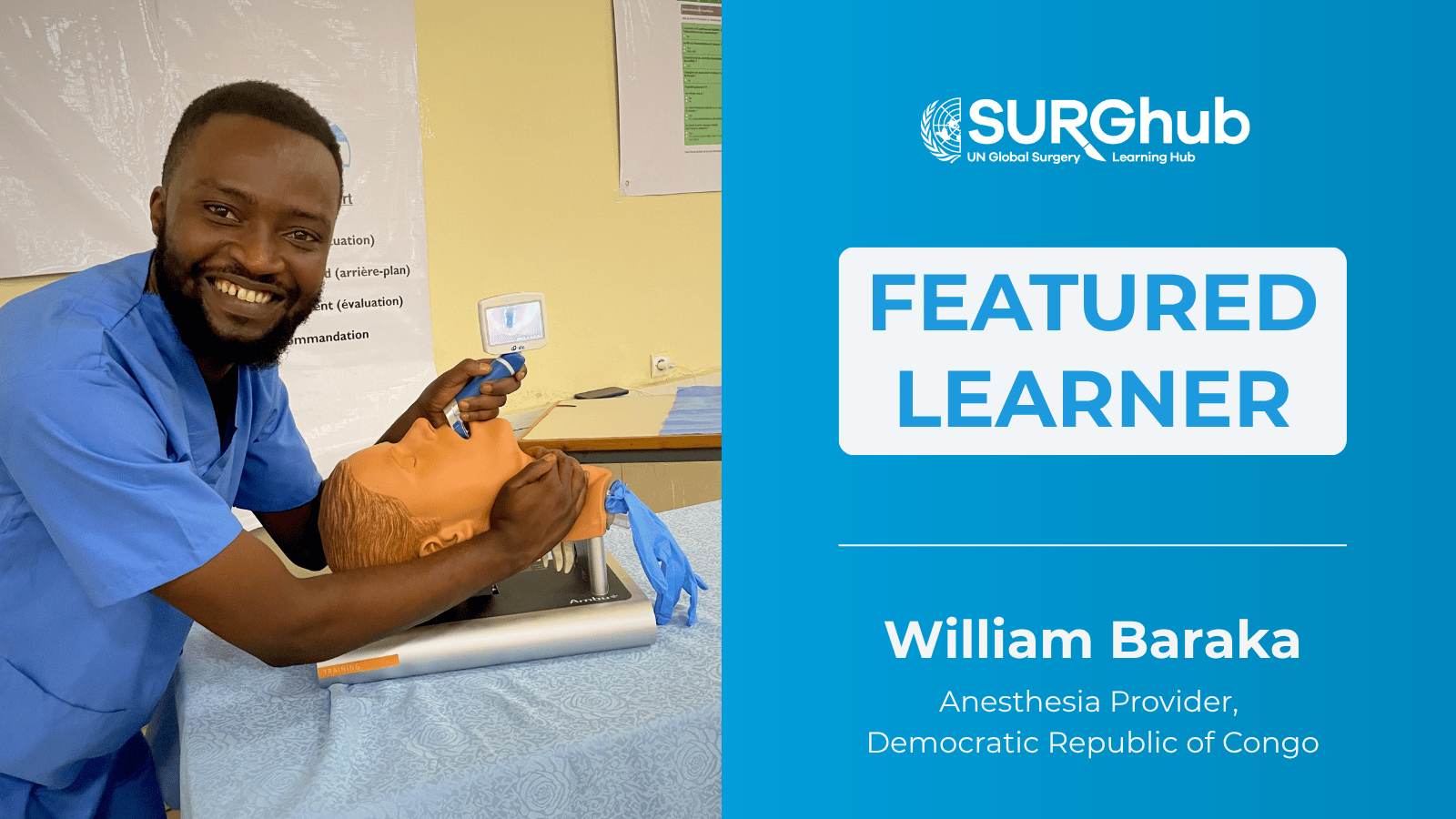
"When Knowledge has the Power to save a Life": A SURGhub Impact Story from the Democratic Republic of Congo
From the frontlines of anaesthesia and critical care in the Democratic Republic of Congo, Dr. William Baraka shares how transforming personal tragedy into a lifelong mission provides a vital framework for saving lives in one of the world's most conflict-affected regions.
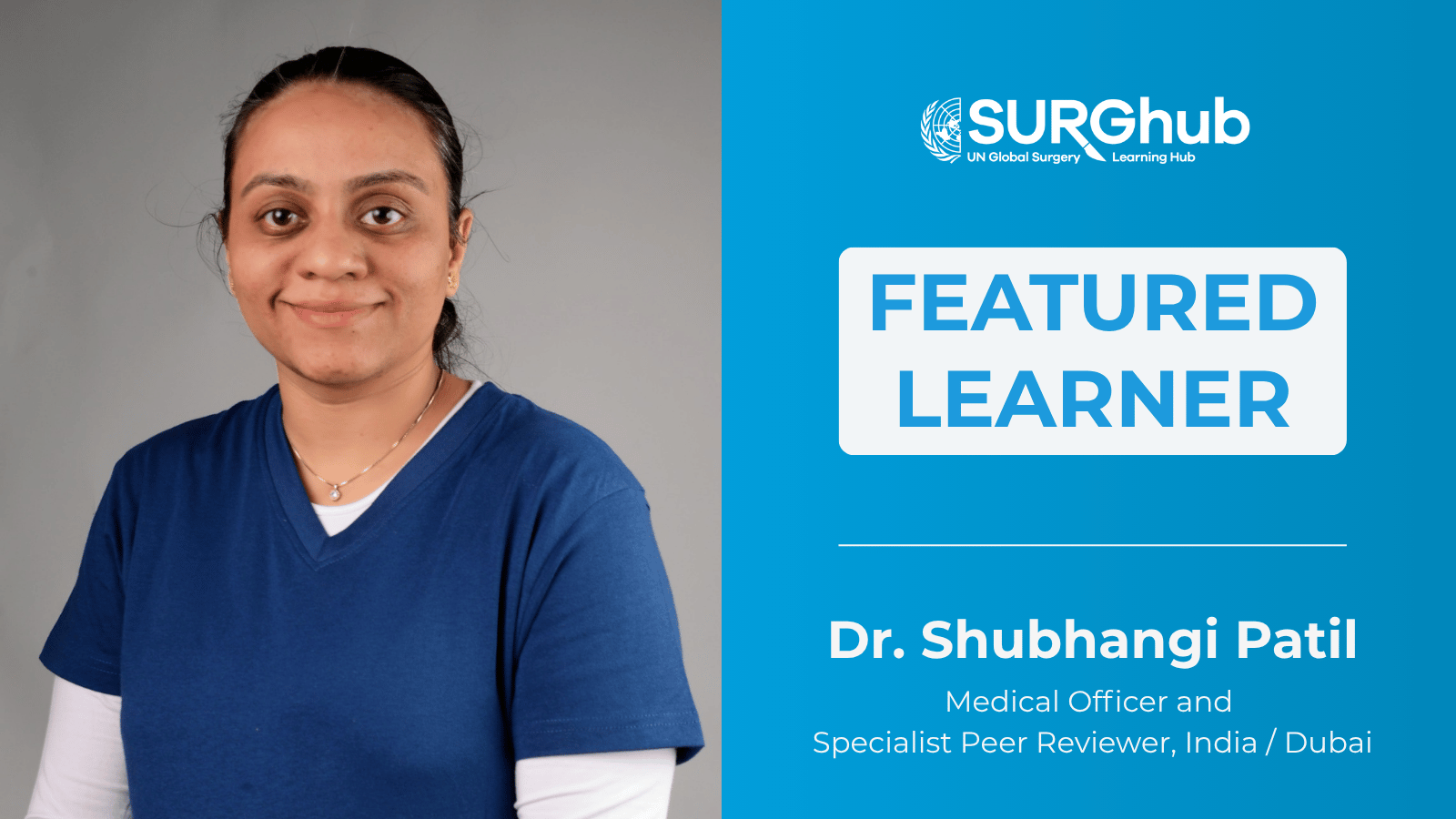
Surgery, a Beautiful Work of Art: A Conversation with Dr. Shubhangi Patil
From small-town hospitals to global health hubs, Dr. Shubhangi Patil shares how treating surgery as a work of art and mastering the fundamentals through digital learning provides a vital framework for clinical excellence across borders.
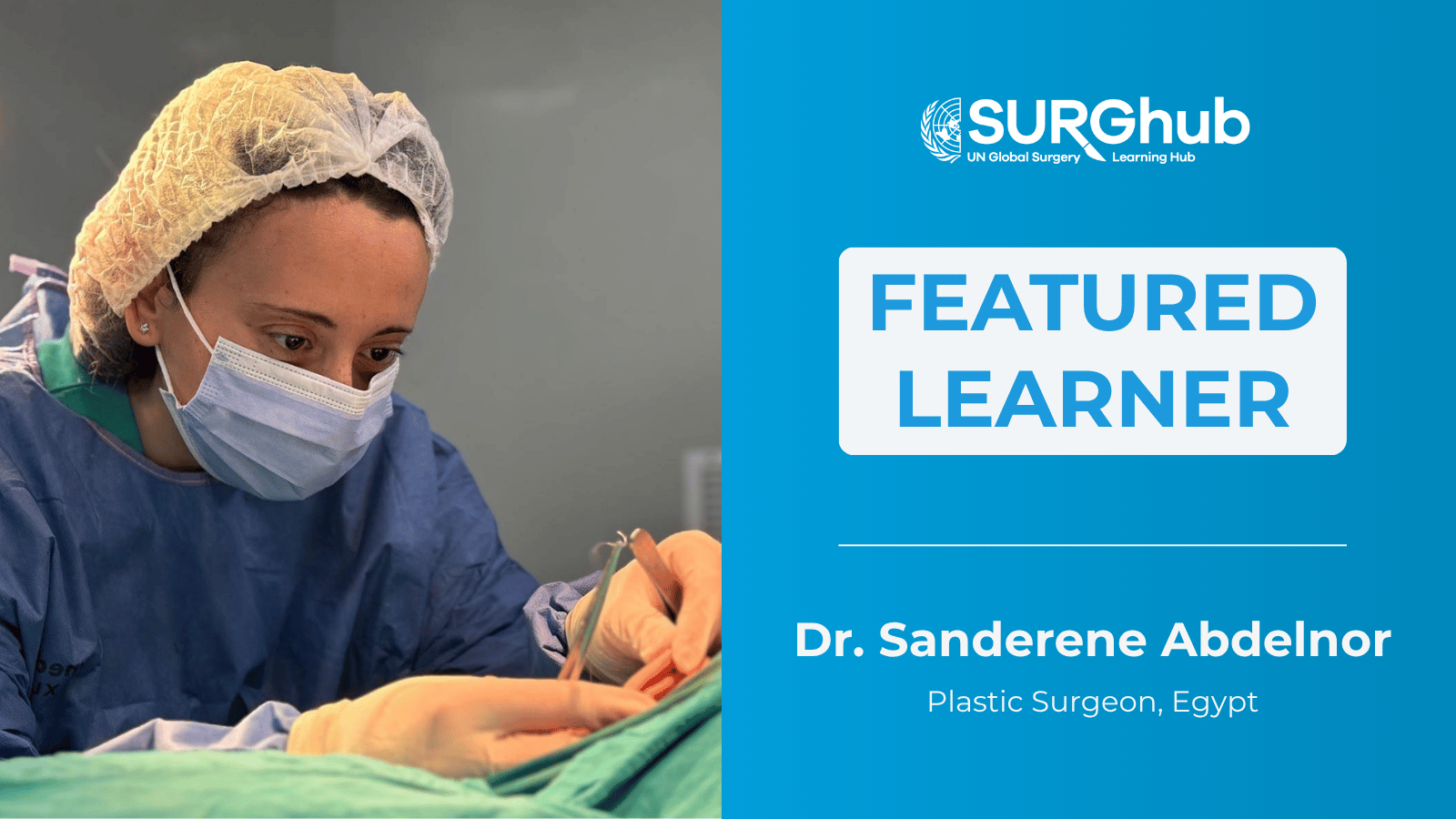
Restoring Identity Through Reconstructive Surgery: A Conversation with Dr. Sanderene Abdelnor
From the operating theatre in Giza, Egypt, Dr. Sanderene Abdelnor shares how blending technical precision with artistic judgment provides a vital framework for restoring identity, not just anatomy, in reconstructive surgery.
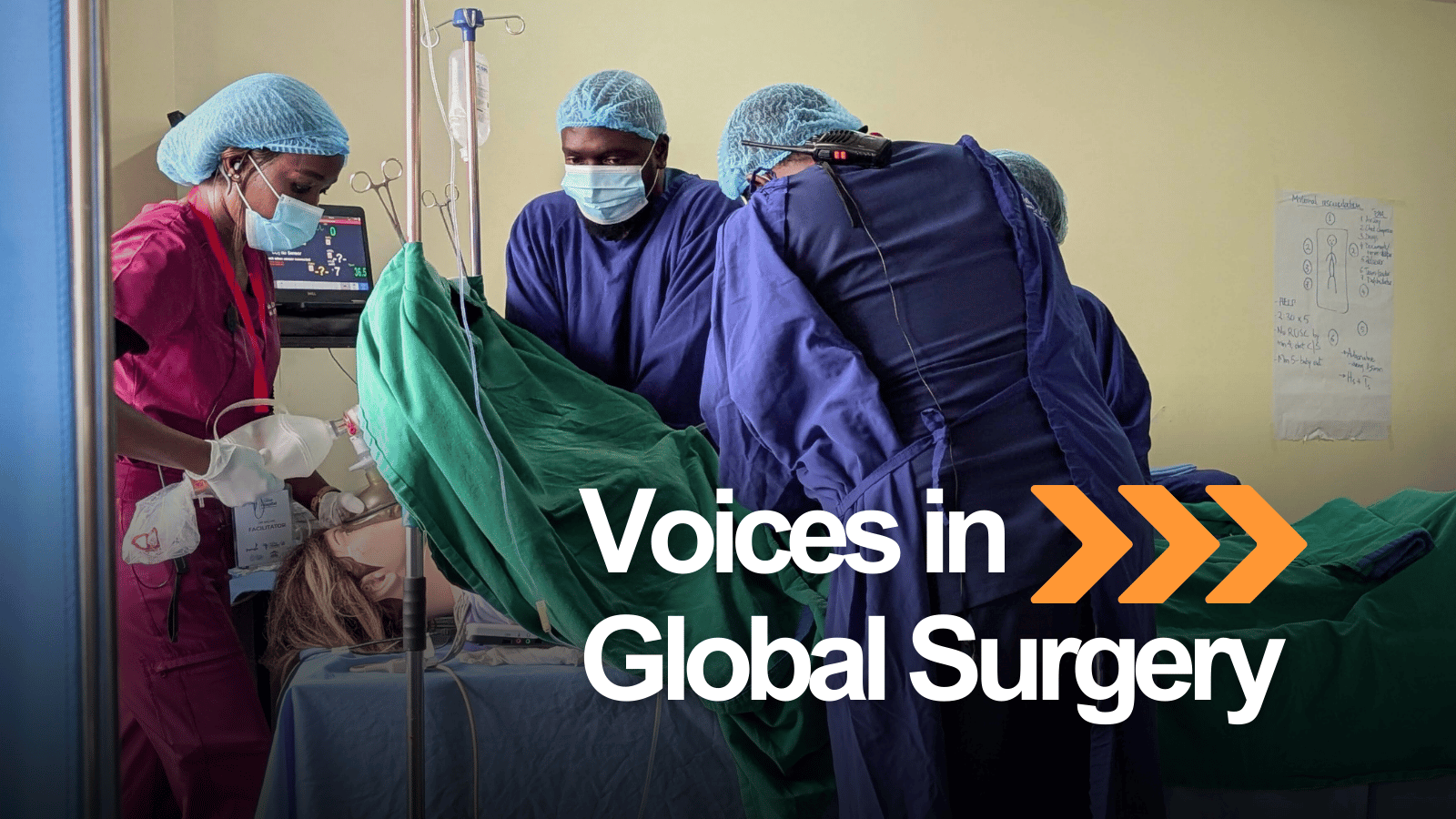
Voices in Global Surgery: Putting Mothers at the Centre of Safe Surgical Care in Kenya
Meet Mary Mungai, a Nurse Anaesthetist in Kenya whose dedication to maternal safety and teamwork is helping to transform the quality of obstetric and surgical care across East Africa.
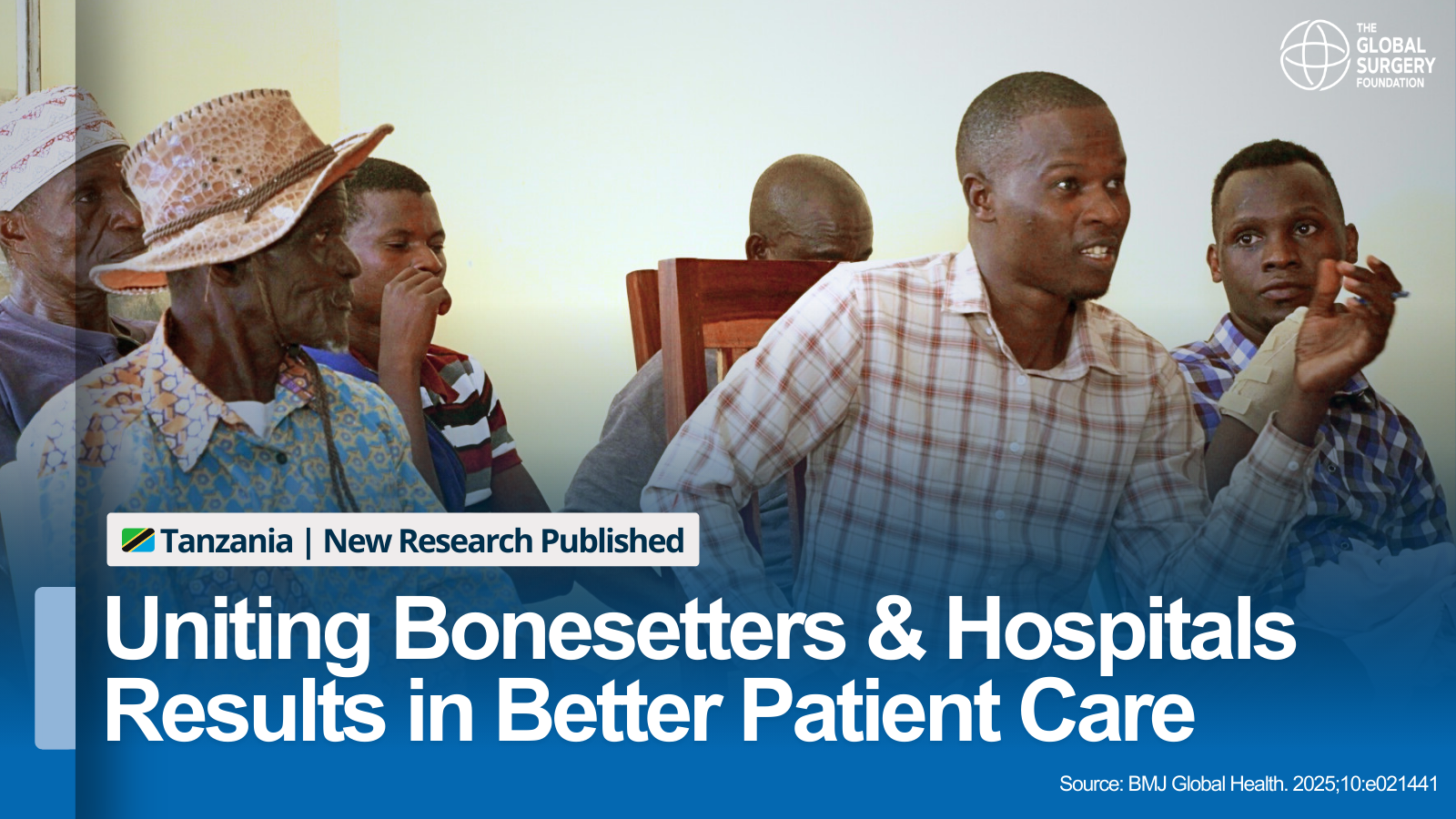
Better Together: Bonesetter-Surgeon Collaboration Improves Trauma Outcomes
Can traditional beliefs and modern surgical care coexist to save lives? A SURGfund-supported pilot study in Tanzania suggests the answer is a resounding yes.
What Makes Open-Access Medical Education Work: Insights from a New Scoping Review
Open-access medical education is growing fast, but its effectiveness remains uneven. A new review outlines the main barriers and enablers shaping how these platforms perform, especially in low-resource settings.

New Study Reveals Urgent Breast Cancer Survival Crisis in Sub-Saharan Africa
New data published in The Lancet Global Health 2025 shows devastating disparities in breast cancer survival across sub-Saharan Africa. These gaps are avoidable—and closing them could save thousands of lives.